By Gabriel Ewepu, Abuja
THE Civil Society Legislative Advocacy Centre, CISLAC, has demanded transparency in the implementation of the Great Green Wall, GGW, initiative, and to carry all stakeholders along.
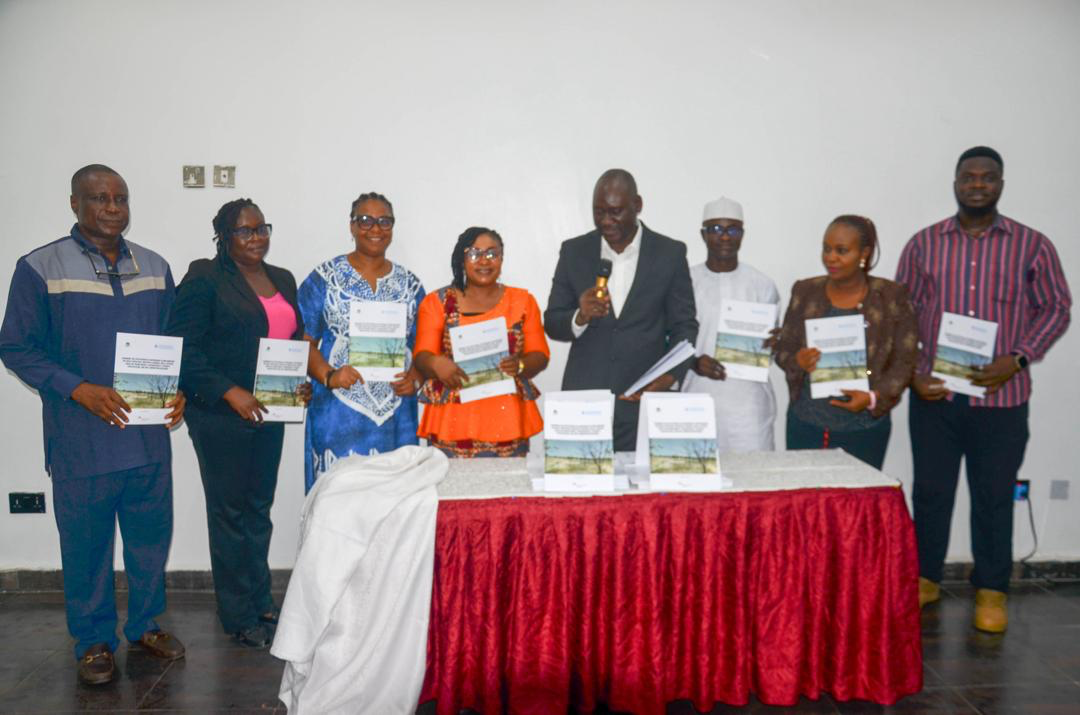
The demand was part of recommendations in a report launched with title ‘Examining the effectiveness of governance in implementing the Great Green Wall Initiative in Nigeria, with a specific focus on transparency, accountability, integrity, participation, and anti-corruption measures’ in Abuja.
Speaking on the essence of launching the report, Executive Director, CISLAC, Auwal Rafsanjani, in a welcome address explained that Transparency International, TI, seeks to contribute to the success of the GGWI through reinforcing aspects of transparency, accountability, integrity, participation, and anti-corruption.
According to Rafsanjani, the overall purpose of the project is to assess the strength and weaknesses of the GGWI in Nigeria in terms of transparency, accountability, integrity, participation, and anti-corruption. The assessments findings are intended to improve knowledge of climate finance governance and practices of the GGWI in Nigeria and potentially beyond.
Nigeria is a signatory to the Pan Africa Great Green Wall, PAGGW, African Union’s Great Green Wall Initiative, signed the Act for the establishment of the National Great Green Wall Agency, NAGGW, in 2015, to address land degradation and desertification, boost food security and support communities to adapt to climate change in the Nigerian States of Sokoto, Kebbi, Katsina, Zamfara, Kano, Jigawa, Bauchi, Gombe, Yobe, Borno and Adamawa.
Its mission is to halt and reverse land degradation, prevent depletion of biological diversity, ensure that by 2025, ecosystems are resilient to climate change and continue to provide essential services that would contribute to human welfare and poverty eradication.
Those in attendance at the launch include representatives from the government institutions and Ministries, Civil Society Organisations, CSOS, and media, and were supported by Transparency International and the Robert Bosch Stiftung Foundation.
He said: “The research report will identify gaps in climate finance governance with regards to the GGWI in Nigeria and provide relevant recommendations on the best global practices towards ensuring transparency, accountability, community led- monitoring and equitable participation.
“The aim of this event and the consultative forums that have taken place is to bring together relevant stakeholders to create awareness on issues of climate change, Great Green Wall Initiative, and findings from the research report.
“This will lead to advocacy for easy access by the public to relevant information regarding utilization of climate funds and effective implementation of relevant laws and policies. Furthermore, this will result in transparent actions to ensure that the funds, intended to mitigate the effects of climate change, effectively reach, and benefit the most marginalized communities. “
Meanwhile, the report presented by Ibrahim Shamsuddin, indicated some achievements under the GGW Initiative; 45.25 million tree seedlings produced; 4,455 solar home systems distributed; 3,631 jobs created; 1,460 kilometers of shelter belts established; 3,102 solar street lights installed; 6,300 clean stoves distributed; 14,118 hectares of plantations established; and 430 solar and motorized powered boreholes implemented.
The report recommended implementation of a robust conflict of interest policy and establish a well-publicized whistleblower protection program and a user-friendly complaints mechanism with the support of the EFCC and ICPC.
Develop data collection methods and tools to ensure accurate and timely information, while also making GGW activity data readily accessible to stakeholders and the public.
Strengthen the monitoring and evaluation (M&E) framework by identifying and addressing gaps or inconsistencies in the data collected to ensure a more comprehensive picture of GGW initiatives and their outcomes.
Conduct comprehensive needs assessments to identify specific skill gaps and tailor capacity-building programs accordingly, ensuring that training opportunities are accessible, relevant, and tailored to stakeholders’ needs.
Ensure transparent communication channels to encourage stakeholder feedback, suggestions, and active participation in GGW initiatives, especially for marginalized groups.
Disclaimer
Comments expressed here do not reflect the opinions of Vanguard newspapers or any employee thereof.