By Olasunkanmi Akoni
As coastal communities in Lagos continue to grapple with the devastating impacts of flooding, a recent study has highlighted the role that advanced technological approaches can play in managing and mitigating these challenges.
The research, conducted by a team of environmentalists revealed that leveraging technological advancement is essential in safeguarding lives, properties, and the economic well-being of Lagos’ coastal populations from flooding.
With Lagos being one of the fastest-growing cities in the world, the city has over the past few decades experienced rapid urbanization.
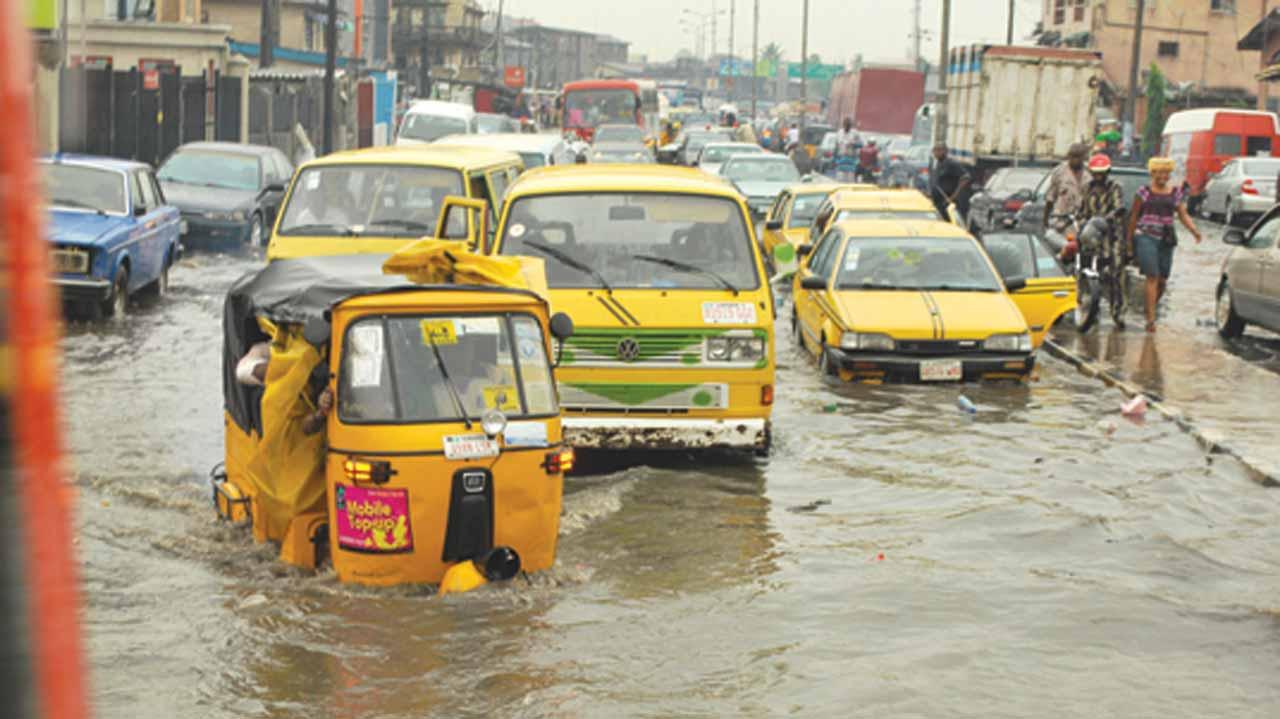
This combined with the city’s naturally low elevation, proximity to the Atlantic Ocean, rising sea levels, intense rainfall patterns, and inadequate drainage infrastructure has exacerbated the frequency and severity of floods in these areas especially during the rainy season, causing significant disruption to daily life, infrastructures, and substantial economic losses.
As urbanization accelerates and climate change intensifies, the need to adopt more sophisticated and reliable solutions has become necessary immediately.
Some of the key technological approaches in improving flood management strategies in Lagos identified in the study include: “Adopting reliable scientific techniques such as modelling, flood hazard mapping, satellite technology, remote sensing, and machine learning,” with each offering unique benefits that enhance the accuracy, efficiency, and effectiveness of flood prevention and response efforts.
Accurately forecasting the likelihood and locations of flooding enables more effective planning and the implementation of targeted mitigation strategies.
According to Mr. Akinloye Ojewole, an environmental expert; “This study represents a significant advancement in how we approach flood risks, and by combining technology with natural solutions, we can create a more resilient infrastructure and improve the quality of life for those living in flood-prone areas.
“Adopting advanced technologies such as those highlighted allows experts to simulate various flood scenarios, offering a more precise understanding of potential impacts under different conditions.
“Moreover, technology provides real-time data on critical environmental factors, such as weather conditions, sea levels, and rainfall patterns.
“This timely information is essential for issuing warnings to vulnerable communities, allowing them to take precautionary measures before floodwaters rise.
“Additionally, technology can analyze extensive datasets from sources like weather forecasts, historical flood records, and real-time sensor inputs, identifying patterns and predicting the timing and location of potential floods.
“This predictive capability enhances resource allocation and ensures the timely and effective deployment of emergency services and evacuation plans.
“With these tools, we can anticipate flood events with greater precision, giving us the critical lead time needed to activate emergency responses and protect vulnerable communities.
“As the city continues to grow, the need for robust, forward-thinking strategies to manage its environmental risks such as flooding is very important.
“By embracing technological solutions, Lagos can build a more resilient future for its coastal communities, protecting both its people and its economy from the negative impacts of flooding, thereby setting an example for other coastal cities in Nigeria and Africa facing similar challenges,” Akinloye stated.
Disclaimer
Comments expressed here do not reflect the opinions of Vanguard newspapers or any employee thereof.