By Udeme Akpan
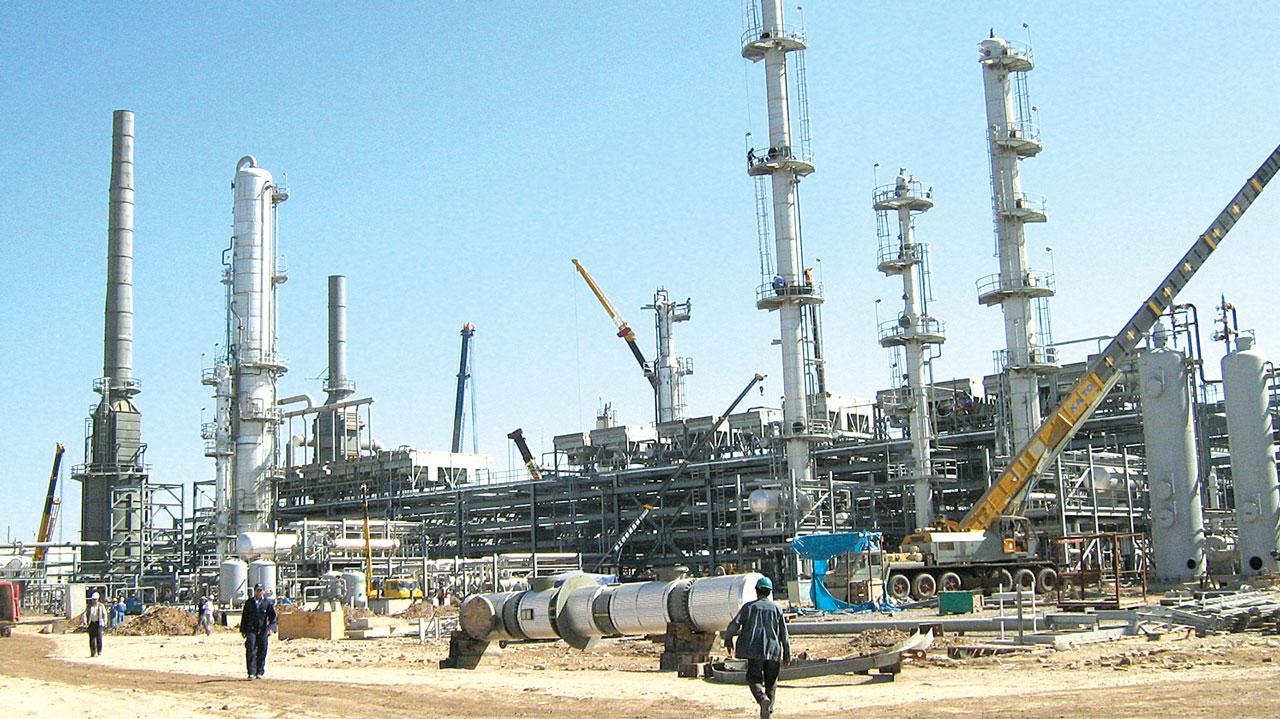
The Federal government has been urged to create funds for the establishment of small modular refineries, targeted at enhancing the refining and supply of petroleum products in Nigeria.
This was the position of experts at the just-concluded Oil Trading and Logistics Africa (Downstream) Week, 2023 in Lagos.
In a communiqué obtained by Vanguard, the organisers, stated: “Federal government should create funds for the establishment of small modular refineries as part of efforts to boost economic activities and create employment opportunities in oil producing communities.”
Also, the experts that harped on improved security, financial support and other issues, stated: “Nigeria security agencies will be equipped to do more in securing the nation’s oil and gas assets with more resources and personnel.
“Financial support will be needed to jumpstart the gas market at its early stages. As soon as the market stabilizes, government financial support is less required.
“For safe operations in the gas market, Cylinder Recirculation Model is required to reintroduce new cylinders and ensure the removal of expired and unsafe cylinders in the homes of citizens.
“Africa Continental Free Trade Agreement (AfCFTA) would suffer immediate defeat if emigration of skilled resources needed to grow. African countries need to develop policies that support migration without negative consequences.”
They also stressed the need for technology and other issues, adding that, “Technological innovations are required in the quest for reduced costs and increased efficiency in the downstream energy market.
Governments at the highest levels must always be willing to engage with industry and must prioritise opportunities for optimal promotion of harmony between policy and operations.
“Downstream energy stakeholders embrace the spirit of synergy. The industry is no longer confined to traditional boundaries; it is about collaboration, innovation, and adaptability. Nigerian downstream energy operators must work with the government to expand trunk and distribution gas pipelines across the country; the supply and distribution of refining capacity expansion; supportive regulations; renewable energy integration; and workforce development are key areas that require attention.
“The downstream sector’s ability to adapt and embrace clean energy alternatives will be a determining factor in Nigeria’s energy transition success. The reduction of harmful emissions is one of the biggest concerns of the federal government and NMDPRA, but the regulator needs to work with all stakeholders to address this menace in line with global regulations.
“There is a potential conflict between the bio-fuel industry and National food security. These two competing demands are clearly balanced in the National Energy Policy as approved by the Federal Executive Council (FEC) in 2017 and the National Biofuels Policy gazette in 2007, which will guide the smooth introduction of biofuels into energy mix.
“The NMDPRA is commended for its engagement with stakeholders and encouraged to do even more towards moving the midstream and downstream sector into a clean-fuel network that enables decarbonization across the value chain while meeting the critical energy needs of affordability, safety and reliability.
“Success in reducing emissions will depend on the efficacy of a policy environment that uses market forces to enable low Green House Gases (GHG) innovation and deployment with accurate and cost-effective emissions measurement, verification, and reporting.
“To attain incident/accident-free operations in the downstream sector, the health of workers and safety of the workplace must be prioritized. Compliance isn’t static. Regulations evolve, technology advances and best practices change. Industry stakeholders should commit to continuous improvement, adopting the latest technologies and practices towards a sustainable midstream and downstream sector.”
Disclaimer
Comments expressed here do not reflect the opinions of Vanguard newspapers or any employee thereof.