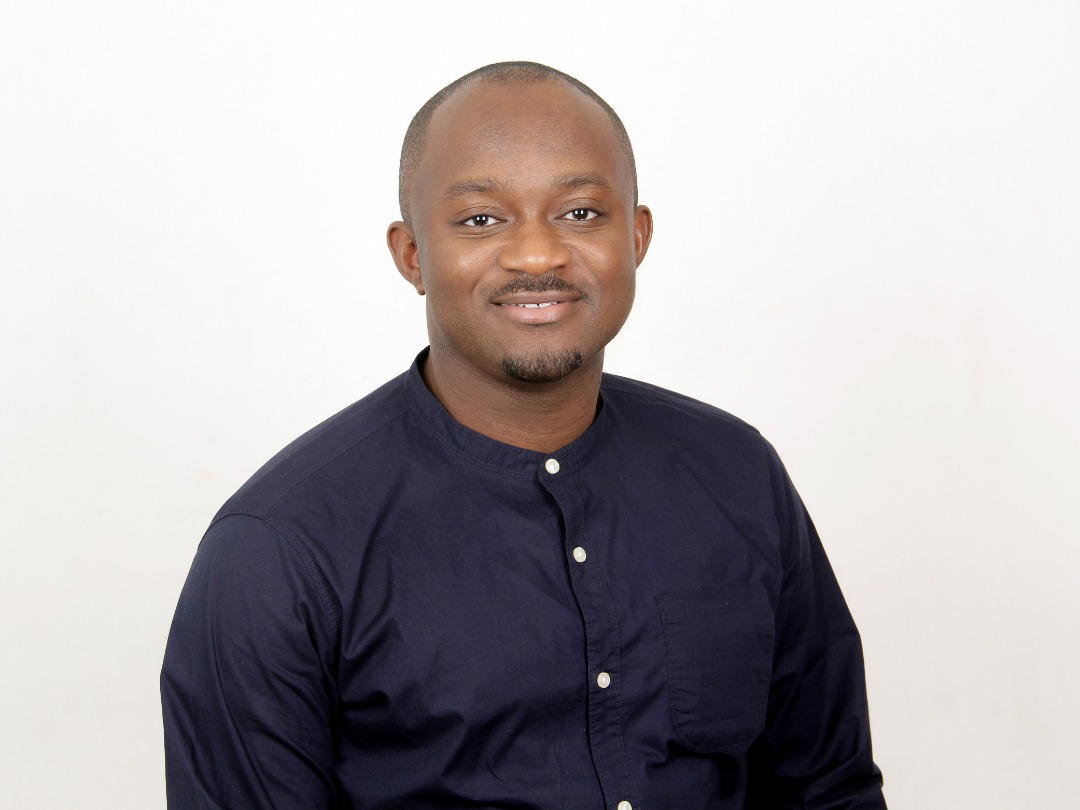
Itodo
If people spend billions buying delegates, killing, and buying their way into public office, how do we expect them to lead and govern rightly and advance public interest?
By Prisca Sam-Duru
In 2008, after Late President Umaru Musa Ya’Adua publicly stated that the elections that brought him to power were not completely free and fair, his administration came up with the Justice Uwais document on electoral reforms. Sadly, till date, Nigeria is still struggling to put up credible elections.
During the week, at an electoral reform roundtable held in Abuja, ex-INEC Chairman, Attahiru Jega, called for amendment of the Electoral Act to ensure that the power to appoint INEC chairman is stripped from the president to free the Commission from partisanship.
Reacting to the call for electoral amendment, Executive Director of YIAGA Africa Samson Itodo, said it’s frustrating that 15 years down the line, “the discussion about unbundling INEC, about strengthening the independence of the electoral commission is still on the table and it tells you one thing that all through the last 15 years, there was lack of commitment on the part of the political class especially those with a statutory responsibility to restructure our electoral process and give INEC the independence it deserves.”
Itodo who spoke during Arise TV programme , described the majority of Nigeria’s political class as people who care about securing political power but with no regard for democratic principles and values, adding, “They are looking for ways to hold institutions hostage so they can perpetrate themselves in office to use political power to either settle inter elite wars, primitive accumulation of wealth and then oppress the people. That’s one big lesson we’ve learned in the last 15 years.”
Sharing his experience from monitoring the elections in Liberia, he praised Liberia for the progress made with regard to their elections. Ideally, Liberia should be learning lessons from Nigeria but the reverse is unfortunately the case. According to him, unlike in Nigeria where we have a political class who don’t play by the rules, “In Liberia, we saw politicians dedicated to complying with provisions of the law. One lesson that Nigerian politicians should learn is patriotism and love for the country. We have a section of the political class that hates this country so much and demonstrate it through electoral malfeasance, and desperation for power to the extent of suppressing voters, maiming or killing people, or attacking democratic institutions. We need politicians who are statesmen and women, patriotic, and who will respect the will of the people.”
Another lesson he said, was the result collation and transmission process in Liberia, noting that the whole value of transparency enhances the acceptability of electoral outcomes. Itodo noted further that at some point, the electoral commission in Liberia issued a statement that there was going to be a presidential runoff which was in fulfillment of provisions of the law, but before then, it was clear to the entire country that it was heading that way “because the results tallying process was open, it was transparent and in compliance with the guidelines and legal framework for managing the tallying process in the tallying centers. Everybody present had access to the result sheets, and those results were uploaded to the website. Compared to what happened in our country in 2023, the current results collation and transmission process for Nigeria needs to be retooled, and reformed because citizens don’t have faith in the current system that we practice.
“The third lesson is the rights of the voter. In Nigeria, even our judicial institutions value institutional independence over and above the rights of the voter. This is why the courts have in several cases ruled against the right of the voter,” he said.
Recalling how many voters were disenfranchised during the February 25, 2023 election, while some others sacrificed their right to vote because they were offering national service, Itodo said that in Liberia, even journalists who were on duty, electoral officials and security agencies are allowed to cast their votes on election day anywhere, because the entire country is seen as one constituency.
Another lesson according to him is the structure and format of ballot papers. “In most African countries, we observed that ballot papers have images of the candidates and the logos of the political party. Liberia took it a notch higher for the presidential candidate. They also introduced the vice-presidential candidate. This enhances the quality of electoral choices and preferences that people made”, he said, stressing that this is what democracy is all about; giving people the option to exercise choice not just at the elections but around the entire gamut of the electoral process. Beyond the political will, citizens need to speak and demand their rights from the state and the state does not have a choice because first, it exists to advance the interest of citizens and not theirs.”
Responding to why he thinks it has been impossible for the National Assembly to put up a good electoral process for transparency, he said that the problem in the last three decades ‘is a conceptual problem’.
“We conceive electoral reform as just Amendment to the legal framework. So, we’ve spent a lot of time changing and amending the laws. It’s part of the process but electoral reform needs to be situated within the broader context of democratic reforms because elections happen within a broader context, not in isolation of society.”
Democracy, Itodo insists, is more than elections, it’s about accountability. He added, “We need to broaden our conceptualization of electoral reform. Also, politicians must change their attitude otherwise, we will engage in these cyclical reforms that will deliver nothing but ephemeral outcomes. If people spend billions buying delegates, killing, and buying their way into public office, how do we expect them to lead and govern rightly and advance public interest? The political elite need to see public office as service to the people and not an opportunity to oppress the people, or primitively accumulate wealth.”
He noted also that having implemented the 2022 Electoral Act, which contained some ambiguities, and complexities as well as inadequacies, “there are critical issues we need to look at; the independence of the Commission, loopholes within the electoral laws that were exploited in the 2023 elections.
“We can’t have the current setup within INEC and expect them to deliver credible elections. There’s a need to review the appointment process. Also, limit the discretionary powers that institutions like INEC have and clearly state these things within the law so that when there’s an infraction, their Lordships won’t look for technicalities, substitute them for substantial justice or electoral justice.”
Disclaimer
Comments expressed here do not reflect the opinions of Vanguard newspapers or any employee thereof.