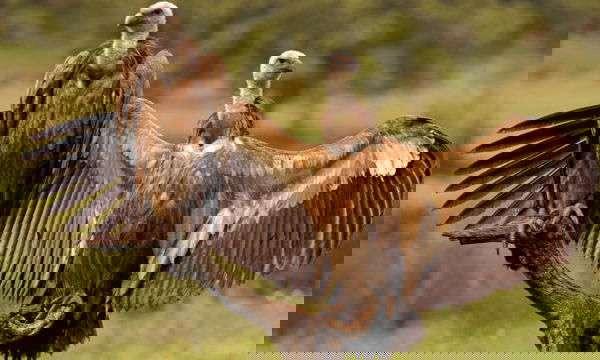
SATURDAY, September 2, 2023 was the International Vulture Awareness Day, as designated by the United Nations, UN. The vulture is a bird that is often overlooked, misunderstood and stigmatised. Recognising the vital role they play in maintaining the delicate balance of ecosystems is part of the effort to address the threats they face.
The vulture belongs to the Accipitridae/Cathartidae family, a diverse group of birds that includes eagles, hawks, and kites. Vultures themselves are found across every continent except Antarctica, each specie playing a unique role within its respective ecosystem.
The vulture’s contribution to human health cannot be understated. They serve as nature’s clean-up crew, efficiently recycling decaying carcasses and preventing the spread of disease by removing potential breeding grounds for bacteria and parasites. By consuming infected animal remains, vultures help prevent the spread of contagious diseases, such as anthrax and botulism, which could otherwise impact human and livestock health.
The remnants of digested carrion are rich in nutrients, enhancing soil fertility and providing a source of sustenance for other organisms in the ecosystem. Vultures regulate the population of scavengers, preventing overcrowding that could result in detrimental effects on other species and wildlife. These charismatic birds act as sentinels for ecosystem health. Their decline indicates environmental degradation and serves as an early warning sign for potential imbalances in various ecosystems.
Unfortunately, vultures are stigmatised in certain cultures, mainly due to social misconceptions and folklore associating them with death and decay. Additionally, illegal wildlife trade, habitat destruction, poisoning, and electrocution pose significant threats to their survival. In some parts of Africa and Nigeria, they are used for traditional medicine.
The rapid decline in vulture populations is alarming. Several factors contribute to their extinction, including the use of the veterinary drug diclofenac, which is toxic to these birds. Vultures die within days of exposure to this and associated drugs which are administered on domestic pets and commercial livestock. Habitat loss due to urbanisation, deforestation and agricultural expansion are also serious threats.
To revive vulture populations, immediate action is needed. Collaborative efforts must include banning harmful drugs and vulture use as traditional medicine, strict measures against wildlife trafficking, habitat conservation, and the establishment of breeding programmes to support their recovery.
Changing people’s perception of vultures requires education and awareness campaigns stressing the vital role they play in maintaining a healthy ecosystem. Raising awareness among communities, schools, and media outlets about their ecological importance can help dispel misconceptions and foster appreciation for vultures’ natural role.
Furthermore, governments and conservation organisations must prioritise the protection of vultures through legislation, implementing stricter penalties for illegal activities, and promoting sustainable land-use practices that minimise human-wildlife conflicts. The world will be a much poorer place without vultures.
Disclaimer
Comments expressed here do not reflect the opinions of Vanguard newspapers or any employee thereof.