In a region where event coordination has traditionally meant spreadsheets, WhatsApp groups, and last-minute improvisation, one African founder is rewriting the rules. Meet Spark, the AI-powered software platform that’s quietly revolutionizing how events are designed, managed, and experienced across the continent.
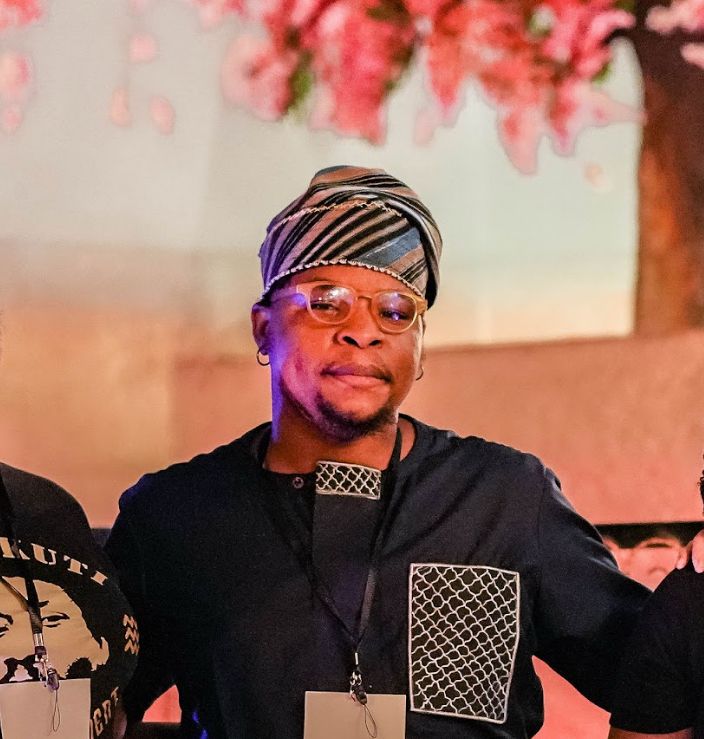
Launched by Nigerian entrepreneur Nnaemeka Clinton Ezeji, Spark isn’t just another event management tool — it’s a full-stack ecosystem builder. From major startup expos to investor demo days and corporate innovation showcases, Spark provides the digital infrastructure that connects people, automates engagement, and extracts real-time insights. The platform now powers some of Africa’s most influential tech gatherings, including the Africa Startup Festival and the Africa Technology Expo.
At its core, Spark is a modular, AI-enhanced software designed to tackle the chaos of live and hybrid events. The platform handles everything from registration and matchmaking to lead scoring, behavioral analytics, and exhibitor performance tracking — all in real time.
With a few clicks, organizers can map an event journey, target networking outcomes, and track partner ROI through a single, unified dashboard.
What makes Spark particularly relevant on the global stage is its approach to data. The platform doesn’t just collect attendee information; it learns from it. Its AI engine interprets behavior, identifies high-intent users, and suggests real-time content or connections — a feature that’s proving invaluable in regions where investor-founder collisions can be the difference between stagnation and funding.
“In Africa, events are not just touchpoints — they are the backbone of how ecosystems are built,” says Clinton Ezeji, Spark’s founder and CEO. “We designed Spark not just to digitize the experience, but to elevate it. It’s about turning convenings into real outcomes.”
Spark’s growth comes at a moment when Africa’s tech and startup sectors are scaling fast, yet still grappling with fragmentation. Investors, accelerators, and corporate partners often lack visibility into who’s building what, or how to connect meaningfully with the right players. Spark’s promise lies in turning that fragmentation into actionable, structured engagement.
And it’s not going unnoticed. The platform is now attracting interest from global partners in Europe and the Middle East, many of whom are exploring Spark as a white-label solution to power their own innovation ecosystems and trade programs.
Built with scalability in mind, Spark integrates seamlessly with other enterprise tools, supports multi-language deployments, and is designed to function across diverse environments — from capital cities to emerging hubs.
“Every feature we build is about reducing friction,” Ezeji adds. “Whether you’re a first-time founder or a multinational sponsor, Spark is designed to make every interaction smarter and more valuable.”
With the rise of AI and Africa’s growing importance in the global innovation economy, Spark sits at a powerful intersection: technology, engagement, and infrastructure. It may have started as an African story, but its implications are far broader.
As the world begins to recognize Africa’s role not just as a market, but as a builder of systems, platforms like Spark are leading the charge — one smart connection at a time.
Disclaimer
Comments expressed here do not reflect the opinions of Vanguard newspapers or any employee thereof.