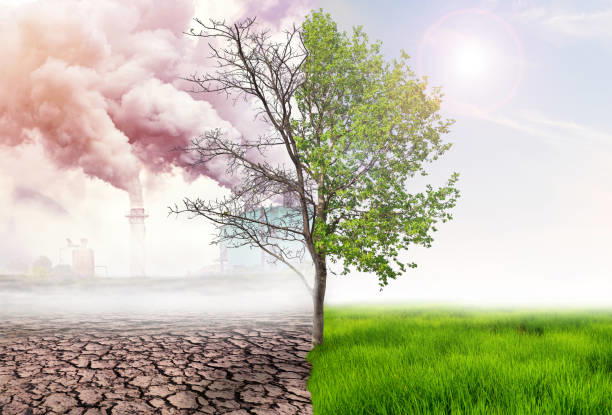
THE scorching summer temperatures being experienced across Europe, the USA, Canada, the Middle East, and parts of Asia have raised concerns about the current state of climate change. United Nations Secretary General, Antonio Guterres, aptly referred to this phenomenon as “our boiling planet”.
We join in the effort to call attention to the record-breaking summer temperatures and the devastating effects of climate change to encourage positive action and mitigate the damage.
This summer has witnessed unprecedented heatwaves across Europe, the USA, Canada, and parts of the Middle East and Asia. Temperature records were shattered, with some regions experiencing all-time highs. The global mean surface temperature made the highest daily record of 17.08 degrees Celsius on July 6, 2023. The World Meteorological Organisation, WMO, estimates that July 2023 was the hottest month on record. These extreme weather events are clear indicators of the intensifying impacts of climate change.
They are stark reminders of the urgent need to address climate change. Rising greenhouse gas emissions, primarily caused by human activities, have led to a rapid increase in global temperatures. The consequences include more frequent and severe heatwaves, droughts, wildfires, flooding and other extreme weather events.
Climate change has already inflicted devastating effects on various parts of the world. Rising sea levels threaten coastal communities, while droughts and heatwaves lead to crop failures and food insecurity. Extreme weather events result in the loss of lives, displacement of communities, and destruction of infrastructure. The impacts are disproportionately felt by vulnerable populations, exacerbating social inequalities.
Over the past 30 years, the United Nations, member countries, and world leaders have taken steps to combat climate change. The establishment of the Intergovernmental Panel on Climate Change, IPCC, and the Paris Agreement were significant milestones. However, progress has been insufficient to curb the rising temperatures and mitigate the effects of climate change. Emissions reduction targets have often fallen short, and financial commitments have not been fully met.
To address climate change effectively, a collective effort is required. Rich nations must continue to take the lead in reducing emissions and providing financial and technological support to poorer nations. They have taken a lot from the earth and must give back.
The goals of the Paris Agreement should be met through a combination of renewable energy adoption, sustainable land use practices, and investment in climate resilience. Additionally, global cooperation and knowledge sharing are crucial for developing innovative solutions. In Nigeria, extreme weather changes pose significant threats to the environment. It shows mainly in the level of annual flooding we experience, and threats to our coastal areas.
To protect against these, government and citizens must prioritise sustainable practices. These include promoting renewable energy sources, implementing reforestation initiatives, and adopting climate-smart agricultural techniques. Education and awareness campaigns can also play a vital role in encouraging responsible consumption and waste management.
Disclaimer
Comments expressed here do not reflect the opinions of Vanguard newspapers or any employee thereof.