Authors: Dr. Sadiq Surajo & Samuel Ogah of One Health and Development Initiative
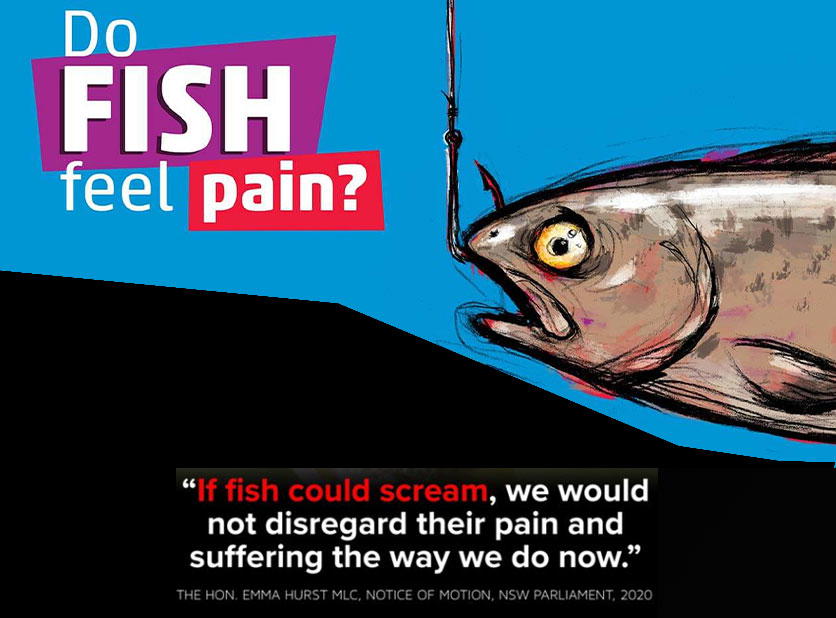
This has always been a question we need to ask ourselves; not just about fish but all animals. The concept of pain and suffering was once used solely in reference to humans, and animals were not thought of in these terms. Animals’ reactions to unfavorable conditions were interpreted as mere responses to stimuli rather than the feeling of pain as a result of an advanced nervous system (Nishihara et al., 2006). With further studies, it has now been established that animals can feel pain and experience suffering. More recently aquatic animals including fish have been included in this classification (Huntingford et al., 2006).
Animal welfare can be described as the way an animal copes with its environment. For fish, welfare is a critical aspect of fish health, sustainable fisheries and responsible aquaculture. Understanding and addressing the physical and psychological well-being of fish is not only ethically upright but also crucial for maintaining healthy fish and their aquatic ecosystems (Braithwaite, 2010). This article explores the concept of fish welfare. It discusses key factors that influence their well-being, and highlights relevant research studies that provide insights into promoting their welfare.
Fish welfare refers to the overall health and well-being of fish in their environment. It involves providing suitable conditions that allow fish to thrive, minimizing stress, and addressing their biological needs. Research has shown that fish possess complex nervous systems and can experience pain, stress, and suffering (Duncan et al., 2010). Therefore, ensuring their welfare should be a priority in any activity involving fish, including aquaculture, recreational fishing, and conservation efforts.
KEY FACTORS INFLUENCING FISH WELFARE
1. Water Quality: Maintaining optimal water quality is vital for fish welfare. Poor water conditions can lead to stress, disease, and reduced growth rates. A study by Wedemeyer, (1996) emphasized the importance of water quality parameters, such as temperature, dissolved oxygen levels, and ammonia concentrations, in influencing fish health and welfare.
2. Habitat and Space: Providing adequate space and appropriate habitat is essential for fish welfare. Overcrowding can lead to stress, aggression, and increased susceptibility to diseases. A study by Ellis et al., (2002) highlighted the negative effects of overcrowding on fish welfare and emphasized the need for proper space allocation in aquaculture systems.
3. Nutrition: A balanced and appropriate diet is crucial for fish welfare. Nutritional deficiencies or improper feeding practices can result in malnutrition, impaired growth, and increased susceptibility to disease. A study by Jobling, (2012) examined the impact of nutrition on fish welfare, emphasizing the importance of providing diets that meet the specific nutritional requirements of different fish species.
4. Handling and Transport: Proper handling techniques during fish capture, transport, and release are crucial to minimize stress and injury. A study by Barton, (2000) discussed the effects of stress on fish welfare during handling and transportation and provided recommendations for minimizing stress during these activities. Gentle handling, minimizing air exposure, and using appropriate equipment in transporting fish can help prevent physical harm and reduce stress levels.

Fig. 1: Welfare compliant method of transporting fingerlings (Food and Agriculture Organisation [FAO], 2000)
5. Enrichment: Offering environmental enrichment such as structures or hiding places, can promote natural behaviors and reduce stress in captive fish (Braithwaite and Salvanes, 2010).
6. Health monitoring and disease prevention: Regular health checks, disease prevention measures, and prompt treatment of illnesses are important to maintain fish welfare (Ellis et al., 2002). When health is monitored adequately by proper welfare practices, it protects the fishes from disease and also lowers the cost of drugs and treatment.
PROMOTING FISH WELFARE
1. Legislation and Regulation
Governments and regulatory bodies play a crucial role in ensuring fish welfare through the establishment and enforcement of laws and regulations. These may include standards for water quality, stocking densities, and handling practices. The Aquatic Animal Welfare Directive by the European Union is an example of legislation aimed at protecting fish welfare, (European Commission, 2019). The Nigerian Government through the Ministry of Agriculture and Rural Development has released an updated piece of legislation, the Animal Disease Control Act 2022. The Animal Disease Control Act 2022 in Nigeria is a legislation designed to prevent and control the spread of animal diseases within the country. It establishes measures for disease detection, surveillance, and management, as well as regulations for animal movement and trade. The act emphasizes early detection and rapid response to diseases, promotes collaboration among stakeholders, and encourages the use of modern technologies and research. Non-compliance with the act can result in penalties, and provisions are also included for compensating farmers and animal owners in the event of disease outbreaks. Overall, the act aims to protect animal health, safeguard livelihoods, and ensure food safety and security.
2. Education and Training
Raising awareness about fish welfare among fishery stakeholders, aquaculture operators, and recreational anglers is essential. Education and training programs can help disseminate best practices and promote responsible fish handling techniques. Organizations like One Health and Development Initiative provide resources and training for fish farmers and stakeholders to improve awareness and capacity building on implementing fish welfare on their farms for improved health and productivity of their fish. Within the last 6 months, the One Health and Development Initiative (OHDI) has organized various intensive training sessions for fish farmers and other stakeholders along the fish value chain. The training has reached fish farmers and other stakeholders in 7 states in Nigeria and it provided several information and discussions on how to incorporate welfare components into their daily fish management practices. These training engagements on fish welfare were made possible by the support of the ‘Effective Altruism (EA) Funds’. OHDI continues in its resolve to ensure the entrenchment of Animal Welfare in the Nigerian Animal production space, and the goal is scale up the fish welfare training sessions to other parts of Nigeria and Africa that have not yet benefited from it.
3. Research and Innovation
Continued research into fish behaviour, physiology, and welfare is necessary to improve our understanding of their needs. Innovation in aquaculture practices, such as the development of recirculating systems or alternative feed sources, can also contribute to improving fish welfare. Organisations like the Welfare Indicators for Novel Species in Aquaculture (WINSA) project focus on research and innovation in fish welfare (WINSA). In line with the recent Nigerian University Commission mandate to upgrade the curriculum in Nigerian Universities, OHDI has, in partnership with some selected universities, incorporated Animal Welfare into the curriculum of these tertiary institutions.
4. Stakeholder Collaboration
For fish welfare to be entrenched in the Nigerian fish production space, all stakeholders need to be in consonance. The policymakers and enforcers (Government at National and sub-national levels), drivers of productivity and innovation (private sector), researchers (veterinarians, food scientists, animal agriculture specialists), healthcare workers, environmentalists, civil society (OHDI and other Animal welfare organisations), fish farmers and consumers all need to be onboard. This is because fish welfare is directly linked to human and environmental health considering the One Health concept.
BENEFITS OF FISH WELFARE PRACTICES
There are many reasons why stakeholders should be concerned about fish welfare, however the most compelling reason should be to avoid unnecessary harm to these sentient beings, and the value that it brings to us humans and the environment. Some of the major benefits of fish welfare practices include the following:
1. Improved health and well-being: Implementing fish welfare practices can enhance the overall health and well-being of fish. This includes providing appropriate nutrition, minimizing stress, and ensuring optimal water quality, which can lead to better growth rates, disease resistance, and overall welfare (Broom & Johnson, 2000). This can also lead to a healthier society for humans, and other animals through safer products, free of antibiotic-resistant superbugs.
2. Ethical considerations: Implementing fish welfare practices aligns with ethical considerations and promotes responsible stewardship of aquatic resources. By treating fish with respect and providing them with appropriate care, fish welfare practices contribute to the ethical treatment of animals and promote consumer confidence in the industry (European Parliament, 2018).
3. Enhanced fish quality, production and fish markets: Implementing fish welfare practices can result in improved fish health, production, and quality. This includes implementing welfare practices such as optimal feeding regimes, reduced stress during handling and transportation, and ensuring proper slaughter methods. These practices can lead to better meat quality, taste, texture, and appearance (Newby & Martin, 2019). This can in turn lead to higher farmer profitability and an expanded market for fish raised in optimum welfare conditions, including the opportunities for exportation. Farmers can have a thriving business, by improving production efficiency and boosting business resilience.
4. Reduced mortality rates: By providing suitable living conditions and care, fish welfare practices can help reduce mortality rates. This includes maintaining proper water quality, preventing overcrowding, and addressing disease prevention and treatment (Wedemeyer, 1996).
5. Environmental sustainability: Fish welfare practices can contribute to environmental sustainability by minimizing the negative impacts of fish farming on ecosystems. This includes reducing the use of antibiotics and chemicals, optimizing feed efficiency, and implementing responsible waste management practices (Little, 2016). A sustainable environment, since higher welfare standards preserve a healthy ecosystem and environment by ensuring clean waterways and the conservation of local species.
Conclusion
Fish welfare is a fundamental aspect of responsible aquaculture and fisheries management. By prioritizing the well-being of fish, we can ensure their health, reduce stress, and promote sustainable practices and productivity. Through legislation, education, research, and innovation, we can work towards improving fish welfare and recognizing their importance as sentient beings and vital components of aquatic ecosystems.
Disclaimer
Comments expressed here do not reflect the opinions of Vanguard newspapers or any employee thereof.