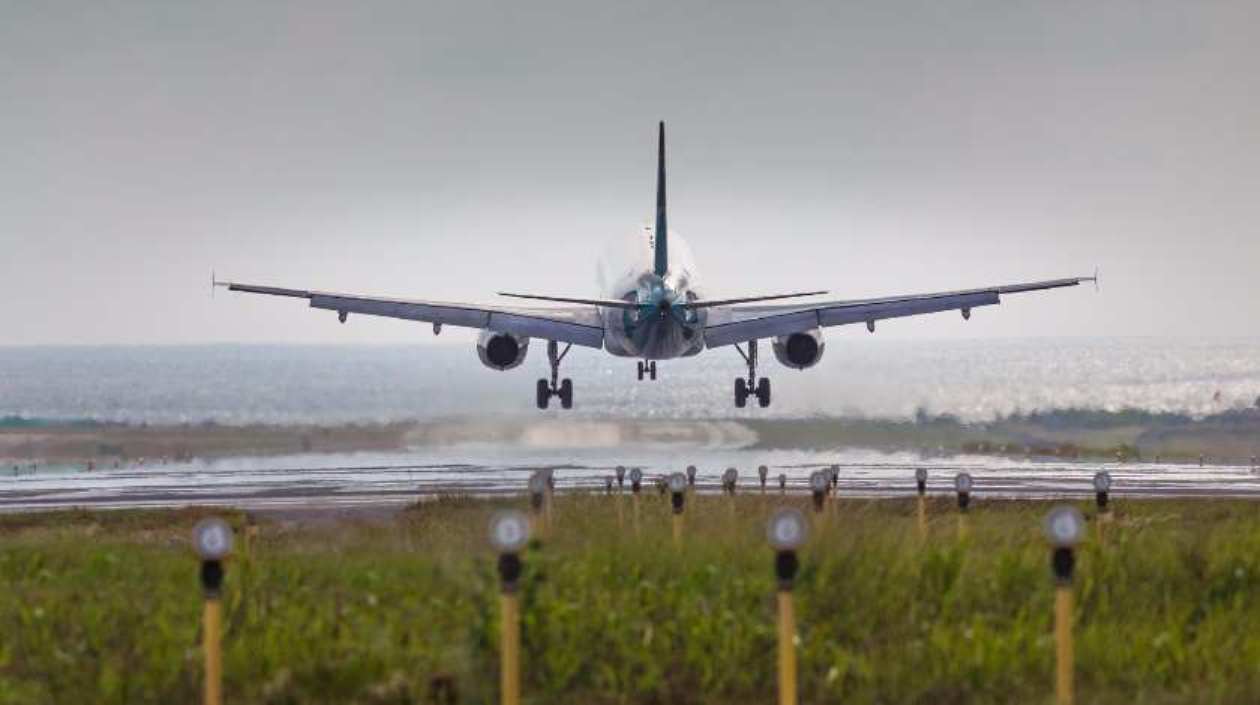
THE Nigerian Civil Aviation Authority, NCAA, recently suspended aspects of the operational specifications of the Boeing 737 aircraft of Max Air Ltd due to a series of ugly incidents which nearly cost the airline and the nation dearly. The airline’s planes have been involved in at least four recent incidents, including loss of landing gears on take-off at the Yola Airport. This forced the flight to practically crash-land at the Nnamdi Azikiwe International Airport, Abuja, causing great panic both onboard and among the onlookers at the airport.
A Max Air plane failed to take off at the Aminu Kano International Airport, while another aircraft had to abort a flight when it was discovered that the aviation fuel was adulterated. One of the airline’s planes also had to make an air return when a fault was discovered on its cockpit instruments just after a take-off.
The most grievous was the near-fatal landing at the Minna Airport of a flight from Saudi Arabia. Bad weather forced the pilot to adopt manual landing, which endangered the lives of 560 passengers and 18 crew.
Apart from Max Air, another airline, United Nigeria Airlines, recently crash-landed at the Murtala Mohammed International Airport in Lagos and overshot the runway on a flight from Ebonyi Airport. Incidents of varying degrees are to be expected in any airline industry. But when a particular airline establishes an ugly track record such as these ones have done, the regulatory authorities are duty-bound to act.
The operating environment for airlines has been very unfriendly in recent years when the prices of inputs, particularly aviation fuel (Jet A1), have shot through the roof. Aviation fuel which was just about N220 per litre early in 2017 raced close to the N1,000 mark in June 2023. Consequently, the cost of one hour flights also more than doubled from around N25,000 to between N60,000 and up to N120,000. Rising costs negatively affected passenger volume.
With dwindling revenues, airlines started failing in their regular schedules while some have resorted to cutting corners to survive. The industry needs government’s urgent attention beyond firm regulatory administration. It is heart warming that one of our upcoming modular refineries – the 11,000 barrels per day capacity Niger Delta Exploration and Production Plc, is expected to come on stream.
Several others are also nearing completion, not to speak of Dangote Refineries, the world’s largest single-train refiner, which is also expected to open for business soon.
While we wait for these bright spots in the horizon, we must keep an eagle’s eye on the industry and avoid situations that led to the last major air disaster in Nigeria – the Dana Air crash in Lagos on June 3, 2012. The aviation industry is a major artery of our economy and must be helped.
Disclaimer
Comments expressed here do not reflect the opinions of Vanguard newspapers or any employee thereof.