There may be some element of certitude in the brazen allegation by controversial Dokubo Asari that elements in the Nigerian Army and Navy are involved in the large-scale oil theft in the Niger Delta which directly attacks our main source of foreign exchange earnings.
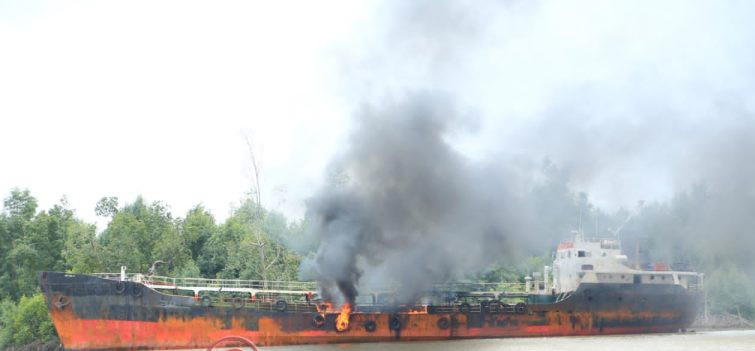
The continued burning of vessels by our security forces in collusion with elements in the oil and maritime industry operators, such as Nigerian National Petroleum Company Limited, NNPC Ltd, and the Nigerian Maritime Administration and Safety Agency, NIMASA, in the creeks tends to support this allegation.
Why else have these agencies continued this criminal practice? Why should any vessel arrested and impounded for alleged use in oil theft be destroyed on the spot without proper investigation, profiling and court order?
Nigeria, the sixth largest oil producer in the world, is the number one among the five countries worst hit by oil theft. The others are Mexico, Iraq, Russia and Indonesia.
Way back in 2014, Financial Post reported that 400,000 barrels of crude oil was stolen in Nigeria every day, compared with 2,000 – 3,000 barrels in Indonesia. The GMD of NNPC Ltd, Mele Kyari, disclosed that Nigeria lost an average of 616 barrels per day or a revenue loss of over $2 billion in July 2022. An Organisation of Petroleum Exporting Countries, OPEC, member nation allocated an average of two million barrels per day barely scratched surface above one million barrels.
Following national outcry and some elaborate on-camera drama by the security agencies, our supply improved to about 1.6bpd in March this year, which is still a far cry from the target. The shocking aspect is that this robbery continues despite the fact that our presidents routinely make themselves Ministers of Petroleum Resources, thus making it much more difficult for accountability to be achieved.
The resort to burning oil vessels caught in the act smacks of evidence destruction by the security agencies. In the latest episode of this dastardly act, a large vessel intercepted by Government Ekpemupolo (Tompolo’s) Tantita Security Services patrol boats were immediately set ablaze by a Joint Task Force on the orders of Rear Admiral Olusegun Ferreira.
The JTF claimed it was a way of sending “warning signals” to prospective oil thieves. Former Chief of Defence Staff, Lucky Irabor once claimed that such practice is in line with “rules of engagement”, adding that no investigation was needed to take such action.
If this is the true position of the Armed Forces on this issue, we are not surprised that the theft continues unabated. The system allows it. Otherwise, it would require thorough investigation and a court order before such vessels are properly disposed of. Besides, the burning of oil-laden vessels is in total disregard of the environmental hazards it imposes on the people. This primitive practice must stop.
Disclaimer
Comments expressed here do not reflect the opinions of Vanguard newspapers or any employee thereof.