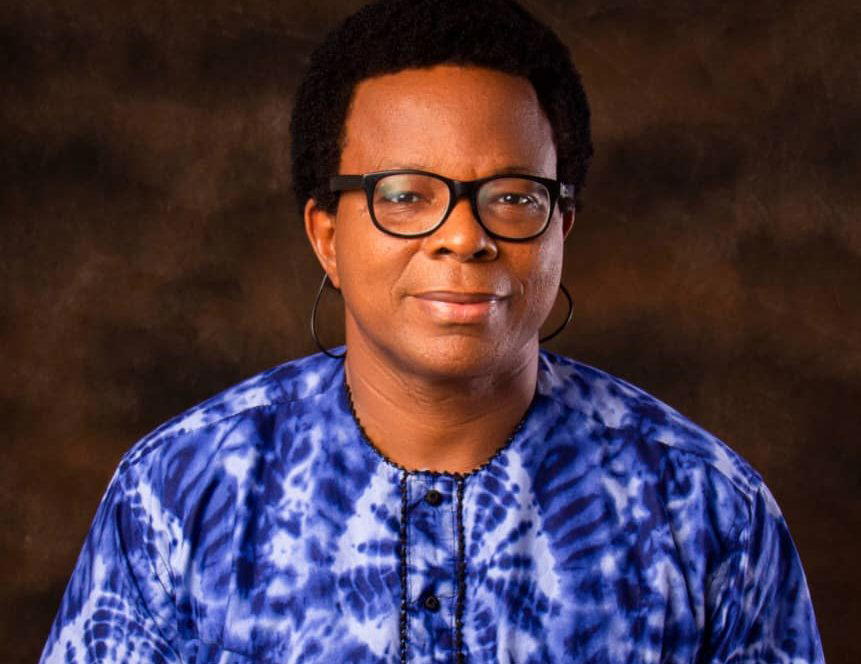
Ugoji Egbujo
Last week, bandits visited Ukum in Benue. They came early on Saturday, and they were brisk. When the guns stopped booming, the horrified villagers crept out of hiding to count the losses. Bodies ripped, slashed, battered, mutilated. Twenty-four bleeding and lifeless bodies in two villages. Many of them, young and virile, were cut short in their prime and left in the bushes where they had sought refuge from the messengers of death. The cries of mothers tore the skies with pure agony. The gods must be tired. Orgy after orgy, the land is now soggy with tears.
Otherwise, there was nothing remarkable about that massacre. Benue has become acquainted with bloodbaths. In April, when some demons came for an Easter blood feast in Umuogidi and other communities around Otukpo, 134 souls were consumed in five days. Among those butchered to death were children and pregnant women. Many of the victims were internally displaced persons living in an IDP camp. Apparently, the rapacious hands of death that had missed them in their homes hadn’t given up. Government shelter didn’t shield them from the rain of bullets. In a classroom in that camp at Mgban, 24 people were battered by bullets. ten corpses were picked along the road. It was Good Friday.
Even that wasn’t remarkable. The macabre acculturation has taken twenty years. Benue has become accustomed to massacres. Brothers fight brothers to death in communal clashes. Mercenaries and militants come in to mediate between farmers and herders and liquidate entire families and villages. In the aftermath of that April massacre, a particular woman was inconsolable. Her predicament was particularly diabolical. When the invaders arrived and started the killing spree, she tried to run. In the melee, her baby slipped off her hands. Against the panicked feet of terrified kith and kin, the baby stood no chance. Innocence has been lost. Benue is a troubled land.
Plateau isn’t sleeping either. In the past three months, the death toll has been mounting. 346 men women and children have been killed in the last three months. About 200 of them were slaughtered in Mangu. Among them, a two-year-old baby. Mangu had been an oasis of tranquillity on a plateau haunted by a two-decade history of inter-ethnic and religious madness. While other areas witnessed repeated Armageddons, Mangu slept and snored.
Mangu was where Senator Ibrahim Mantu held sway. That Mantu, a Muslim, was the favourite of the Christian-dominated Mangu was a testament to Mangu’s sophistication. Mangu people lived in harmony. Mangu was a beacon of hope. But in the last three weeks, Mangu has unravelled. Body counts might vary, but the depth of the tragedy is indisputable. The cataclysmic degeneration is unfathomable. Bandit raid after bandit raid, women and children were hunted down like rabbits. Then the military checkpoints didn’t manage to dissuade the killers. The veil of innocence has been torn. The living live in wretched fear, haunted by the reckless proximity of death.
Those who ruptured the peace in Mangu have deepened inter-ethnic suspicions. More IDP camps will now be constructed. The governor who hails from Mangu has declared a curfew in Mangu. The military has moved in numbers. But social justice is the recipe for peace and unity. So much needs to be done by religious and traditional rulers. If the fabric of the nation is riven on many sides, the military, which is already stretched will be torn. The horror is unspeakable.
Effective criminal justice is the antidote against reprisals. But the law is too weak and too slow. Mass murderers seem always elusive. So, after massacres, reprisals might follow. When violence begets violence, the innocent are consumed and a cycle of doom is triggered. At other times, the law, in coming late, catches up with reprisals and births suspicions of bias by law enforcement. Bias by law enforcement might be real. there are too many bad eggs in the corridors of power. But invariably when the law comes late to the orgy, misses the aggression and catches the revenge, antipathy for the government proliferates in the original victims to contaminate the rancid broth and make resolution refractory.
So managing the body count might be sensible and responsible discretion, like photoshopping a grotesque picture to avoid shocking sensibilities. Sometimes it pays to smother emotions to avoid a conflagration. But if casualty figures are curated aggressively to douse immediate flares, people are denied the opportunity to appreciate the monstrosity of the rampaging evil. Sometimes such containment strategies amount to implacable double jeopardy for the victims. Such repeat victimizations will make the crises intractable.
When the story of evil is not told in detail, evil is blurred. Clarity assaults the conscience. Blurred evil is evil condoned. The story of the victims must be painted brilliantly. If blood baths are whitewashed to curtail reprisals, perpetrators benefit. When the cry of victims is stultified, they are denied catharsis and the potential for cold reprisals is heightened. Transparency might be provocative, but it’s justice. In addition, it allows the public and stakeholders to build the revulsion urgently needed to bring the crises to a halt. Justice is the indispensable foundation for sustainable peace.
Besides predictable and proportionate retribution for offenders, Justice must focus on victims. The living must be rehabilitated and restored. But the dead shouldn’t be ignored. There is a need to compile a clean list of dead victims. Under their names, their stories should be written. The names and stories should be published regularly. Mass graves have become all too common. They should be abolished. For every such massacre, the state should hold a funeral ceremony and bury the victims which it failed to protect with decency.
When we begin to hold such ceremonies every other day, the youth might learn to desist from lending themselves to the folly of expiring politicians and conceited chauvinists. When we dispose of the bodies of victims of bloodbaths like putrefying poultry from bird flu, we deny ourselves collective introspection. Sometimes the mass funerals are made clandestine. To hide the bodies from public view. Such furtive disposals might inadvertently help the mass murderers escape justice and public opprobrium but it won’t help them find the remorse required to be rehumanized.
The Igbo say truth is life.
Disclaimer
Comments expressed here do not reflect the opinions of Vanguard newspapers or any employee thereof.