By Elizabeth Osayande
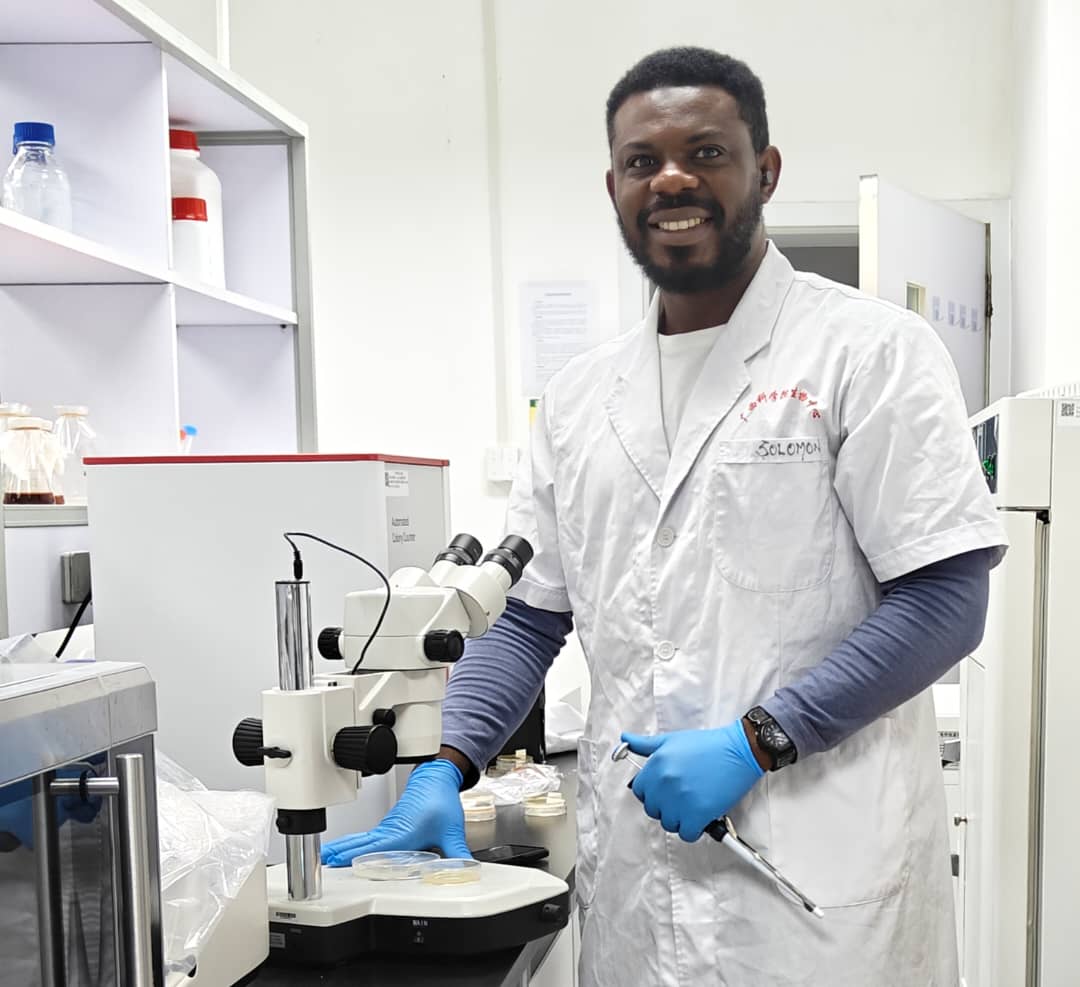
The University of Nigeria, Nsukka, UNN, recently hosted its Annual Conference on Bioscience and Biotechnology, where discussions on genetic manipulation captivated attendees and highlighted the future of medicine. Dr. Arome Solomon Odiba, a prominent researcher at the Chinese Academy of Sciences, delivered a compelling keynote lecture that underscored the transformative potential of genetic research in tackling pressing global health challenges.
In his address focused on the theme “Genetic manipulation at the forefront of revolutionary breakthroughs in Bioscience and Medicine,” Dr. Odiba shared insights from his work with Caenorhabditis elegans (C. elegans), a nematode widely used in genetic studies due to its simplicity and the resemblance of nearly 70% of its genes to those in humans. “Aging is not just a natural process; it’s a biological pathway that can be influenced,” he explained.
“By targeting specific genetic mechanisms, we can develop therapies that extend human lifespan and improve health outcomes for conditions like cancer and neurodegenerative disorders.”
Dr. Odiba’s research delved into DNA repair mechanisms that hold promise for enhancing treatments for cancer, Alzheimer’s, and Parkinson’s diseases. He passionately remarked, “The goal is to move from research to practical applications that can make a tangible difference in healthcare.”
The conference, organized by the Faculty of Biological Sciences at UNN, attracted local and international participants eager to learn how Dr. Odiba’s research could transform modern medicine. His focus on DNA repair pathways in C. elegans, including the roles of RAD-54.L and RAD-54.B in maintaining genome stability, has been spotlighted as a significant advancement towards precision medicine.
Emphasising the importance of real-world applications, Dr. Odiba stated, “Research must have a purpose beyond the lab. The aim is to develop treatments that tackle cancer at the molecular level, addressing the underlying causes rather than just the symptoms.”
In his groundbreaking work on cancer, Dr. Odiba is exploring the potential of peptides to enhance p53 activity, a pivotal protein in cancer prevention. Leveraging artificial intelligence, his team seeks to identify promising cancer inhibitors, paving the way for more targeted and effective treatments.
Throughout the conference, participants engaged in dynamic discussions about the potential implications of these scientific advancements, not only for Nigeria but also on a global scale. As Dr. Odiba aptly put it, “Science has the power to solve many of the global health crises we face today. By continuing to push the boundaries of what is possible in genetic research, we can create therapies that make a real difference in people’s lives.”
Disclaimer
Comments expressed here do not reflect the opinions of Vanguard newspapers or any employee thereof.