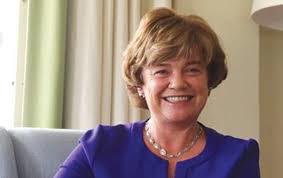
…assures Nigeria remains important partner in agribusiness
By Gabriel Ewepu, Abuja
THE British High Commissioner to Nigeria, Catriona Laing, Monday, has said the reason why the United Kingdom, UK, is investing £95 million on food production in Nigeria is as a result of several local and international challenges farmers and consumers are contending with that have occasioned low productivity.
Laing stated this in her keynote address delivered at the Feed Nigeria Summit 2022, FNS, with theme ‘Nigeria: Riding the Global AgDown’ held in Abuja was represented by the Africa Agric Director, UK-DIT, David Burton.
She pointed that it is very imperative to address “the biggest issue affecting agriculture in Nigeria and across the whole continent – achieving Food Security.”
The British envoy also concern as Africa is already “a net importer of food and it is expected that the population of Africa will double by 2050.”
She also made a wake-up to the Africa as global food insecurity is at its highest point in decades coupled “with high crop prices means we need to do our bit to improve the situation.”
She added that the reasons behind price hike on food items and food crisis across the world include increase in energy prices, restrictions on the exporting of fertilisers, COVID19 pandemic, and the ongoing Russia and Ukraine War, which all had disruptive effect on supply chains, and Africa bearing its own brunt of these factors.
Meanwhile, she explained that the UK’s Department for International Trade, DIT, was established over six years ago in July 2016, with the intention of increasing UK’s trade and investment with the world, whereby the UK negotiate trade deals and enhance trading arrangements that govern international commerce in a way that not only benefits UK businesses, but delivers prosperity for its partners across a number of sectors, including agriculture.
Also said the UK’s shared ambitions with African governments to create jobs and build prosperity through sustainable economic growth makes the UK and Africa as a whole, natural partners in business, and the opportunity to drive the types of conversation and actions UK anticipates from this Summit is welcomed, which basically, a coordinated approach between governments and the private sector will help them better navigate the enormous challenges they face in doing business across Africa.
She also expressed appreciation and optimism over the DIT’s partnership with Agro Nigeria “for what I believe will be another successful Feed Nigeria Summit.”
She said: “Food insecurity has hit Africa the hardest and the UN and other such organisations predict that the current crisis will be much more severe than past crises
“Agricultural productivity in Sub-Saharan Africa is generally low and you have a situation where most African countries import their food, therefore relying on inter, and more recently intra continental trade to feed their growing populations
“As African countries restart their economies and phase out COVID-19 restrictions, the ripple effects of the Ukraine crisis remain acute in terms of food security, especially as the continent relies on food imports from the region of conflict.Fundamental issues need to be addressed in order to move Africa from being reliant on the rest of the world for food, to being self-reliant. After all, Africa has enough food to ensure its citizens do not face hunger.
“As a sector, Agriculture provides employment for an estimated 35% of Nigeria’s population and remains the foundation of the Nigerian economy and the main source of livelihood for most Nigerians.
“However, the impacts of climate change and infrastructure gaps across Nigeria, as well as concerns around security and the business enabling environment impacts the country’s ability to really maximize its potential in this sector.
“Climate change will make between 10 per cent and 25 per cent of land currently farmed un-farmable.
“And as countries get richer, there will be a higher demand for red meat, which we know, is an inefficient way of farming.
“We need better solutions. That is why the UK is investing £95 million through a new Propcom+ programme to support climate-resilient and sustainable agriculture in Nigeria. Propcom+ will support more than 4 million people to adopt and scale sustainable agricultural practices – such as improved climate-resilient seed varieties and integrated soil fertility management – that increase productivity and resilience, reduces emissions, and protect natural ecosystems.”
Meanwhile on the heels of the UK’s huge investment to the tune of £95 million and other investments from agribusiness investors, she said, “When it comes to trade & international partnerships as a means of addressing food insecurity, we all know that food and agricultural trade can be highly beneficial for economic development and can help to address food insecurity.
“The evidence is clear, trade can deepen our relationships, benefit both parties and support our wider ambitions around development and the environment.
“That is why earlier this year we launched the Growth Gateway programme, a free export support service for UK and African businesses. Since its launch in January, the programme has already helped support over 290 UK/African businesses trade and invest in each other’s markets including a number of South African businesses. If you are interested in finding out more about the support we can offer, get in touch with the Growth Gateway team, represented here today.
“Not only does trade drive economic growth (e.g. through direct and indirect employment which means people can be lifted out of poverty and are able to buy food, etc), it enables and incentivizes technological advancement.
“Trade facilitates investment in agriculture which makes it more commercially viable as governments are then motivated or incentivised to invest more in agriculture.
“Coupled with finance and official development assistance (ODA) to encourage climate-resilient forms of public investment and the development of environmental policies and strategies, we could see more governments doing more to invest in commercial agriculture.”
`However, according to her (Laing) “Leaving the EU offered us an unprecedented opportunity to forge a new role for ourselves in the world and be a positive and powerful champion for free trade.
“We have used this opportunity to create new partnerships, negotiate our own trade agreements with those countries with whom we mutually have most to gain.
“Our independent trade policy has also facilitated our Developing Countries Trading Scheme (DCTS) allowing the UK to unilaterally grant cheaper access to the UK market for important partners like Nigeria.”
Disclaimer
Comments expressed here do not reflect the opinions of Vanguard newspapers or any employee thereof.