By JUDE IGBORGBOR
NIGERIA is richly blessed with abundant natural and human resources. With a population size of over 200 million population people, many have dubbed Nigeria the giant of Africa. It is also the most dominant Black country in the world and ranked seventh position among the most vibrant countries.
Nigeria’s huge population is regarded as an asset in terms of labour force, military strength as well as labour market potential just as is the case with other heavily populated nations globally. Such countries as China and India, among others, have made maximum use of their large populations and it reflects in their development. Sadly, one cannot count Nigeria among these countries presently.
BRICS, an association of Brazil, Russia, India, China and South Africa, consists of leading developing or recently industrialised countries. China and India are the most populated countries in Asia; Brazil is the most populated country in South America, while Russia is the most populated country in Europe.
One question that also comes to the mind is why Nigeria (the most populated country in Africa) is not in this association? Rather, South Africa serves as the only African country in this association of fast growing economies with significant influence on regional affairs?
Nigeria has existed for 62 years with little or no record of significant development. It is logically unthinkable and shocking that despite being independent for this long, Nigeria, the so called “giant” of Africa, is still battling with the problem of governance, thus wallowing in poverty.
The leaders we have had since independence have not done as much as is expected. Most of them have only excelled in political bickering in their quest for political power and offices, the outcome in most cases being maladministration and mismanagement of public resources. This has ultimately caused serious economic setback and abject poverty as the nation’s heritage.
Poor governance has resulted in multifaceted consequences among which are subsisting corruption, lingering insecurity, population explosion, religious and ethnic conflicts, diseases and environmental degradation. Hence, Nigeria needs a serious-minded leader who will take the country out of the current challenges. A leader who will harness Nigeria’s human and natural resources to lift Nigerians from severe poverty and hardship.
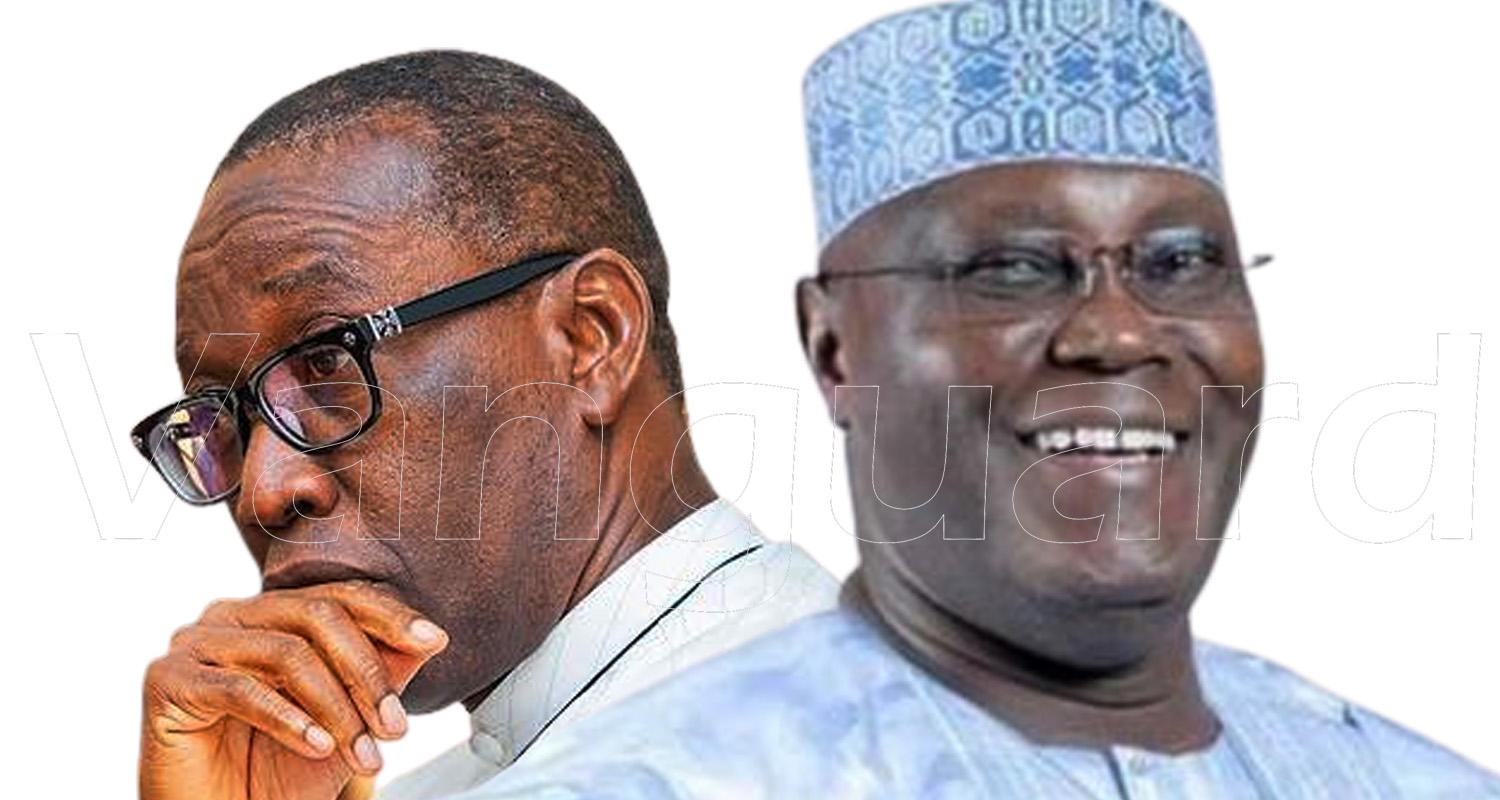
In my considered view I believe the presidential and vice presidential candidates of the Peoples Democratic Party, PDP, Atiku Abubakar and Senator Ifeanyi Okowa, will give us this kind of leadership that will make Nigeria great again for everyone. I am convinced that they have what it takes to give good governance to Nigerians and rescue Nigeria from its current challenges.
The Atiku/Okowa candidacy will definitely restore our country to a much more secured state and to restore peace to the nation. They possess the political will to attract sound experts on board, irrespective of their political persuasions, to address the current challenges facing the nation. All they need to make this happen and at the same time actualise their laudable visions and wish of a better Nigeria is the massive support of Nigerians. Indeed, the Atiku/Okowa mission is the best to salvage Nigeria going by their antecedents.
Atiku is a creator of jobs. He co-founded INTELS, one of the largest oil and gas/anchorages logistics enterprises in Africa, in the 1980s which employs more persons than most state governments. Also, Okowa is also a notable job creator. In seven years, Deltans have reaped mountainous benefits from the Governor Okowa-led administration.
So far, his administration has trained and resourced over 150, 000 persons to start their own businesses. The impact of these programmes is largely being felt with thousands of micro, small and medium enterprises, MSMEs, managing their businesses effectively in the state, leading to wealth creation and better living standards for the people.
It is expected that if elected the duo will use their prowess in this regard to help create jobs for the teeming Nigerian youths, a development that will go a long way to curb the security challenges in the country.
Both of them are men of sound education and will definitely use this to advantage. Atiku established the American University of Nigeria, Yola. Through that institution, he has been giving education to penurious children including some rescued Chibok girls. Okowa’s love for education was observed in Delta State, where his administration has so far erected more than 17 model schools, including technical colleges and three well-equipped universities across the state. His administration has recorded tremendous achievements in the educational sector as part of government Stronger Delta agenda.
What that proves is that both of them love education and would fund and revive the Nigerian education system that is presently in comatose. Atiku/Okowa personifies the brand of politics Nigeria has yearned for since Independence from Great Britain. This can be summarised as secular, free market based, and private sector led. They actively believe in meritocracy and want to restructure Nigeria with a goal of true federalism.
Atiku and Okowa are sound in health, which is important for effective leadership and decision-making. Both have sound education with well refined/advanced minds. Their age and health status are not suspicious. Okowa is a medical doctor and understands the significance of good health and sound mind for all. They are ready to transform Nigeria with their experiences and skills.
Both of them have good political experience. Atiku served Nigeria for 20 years in the Nigerian Customs Service. Thereafter, he went into private business and flourished. He became a democratically elected Vice President in 1999. He led the Economic Management Team that paid off Nigeria’s debt, and privatised the telecom sector and cement industry that exploded our GDP and created jobs. He brought in effective technocrats into government and led the Obasanjo administration’s efforts to restore peace and re-establish law and order during the crisis in 2000.
*Igborgbor is a lecturer at the University of Delta, Agbor, Delta State
Disclaimer
Comments expressed here do not reflect the opinions of Vanguard newspapers or any employee thereof.