And the creative strategist helping shape its most viral moments
By Kenneth Udoji
Not long ago, it took years, and a label deal, for an African artist to crack the global music scene. Today, it might only take 15 seconds, a camera phone, and the right narrative direction.
From Love Nwantiti to Ameno Amapiano, TikTok has become one of the most powerful engines behind the global export of African sound and storytelling. The platform has redefined how music travels, how films find audiences, and how creators rise to cultural prominence. And at the heart of this movement is a quiet revolution happening behind the screen, led by a new class of strategists and storytellers who understand both the algorithm and the culture.
One of those strategists is Barbra Okafor.
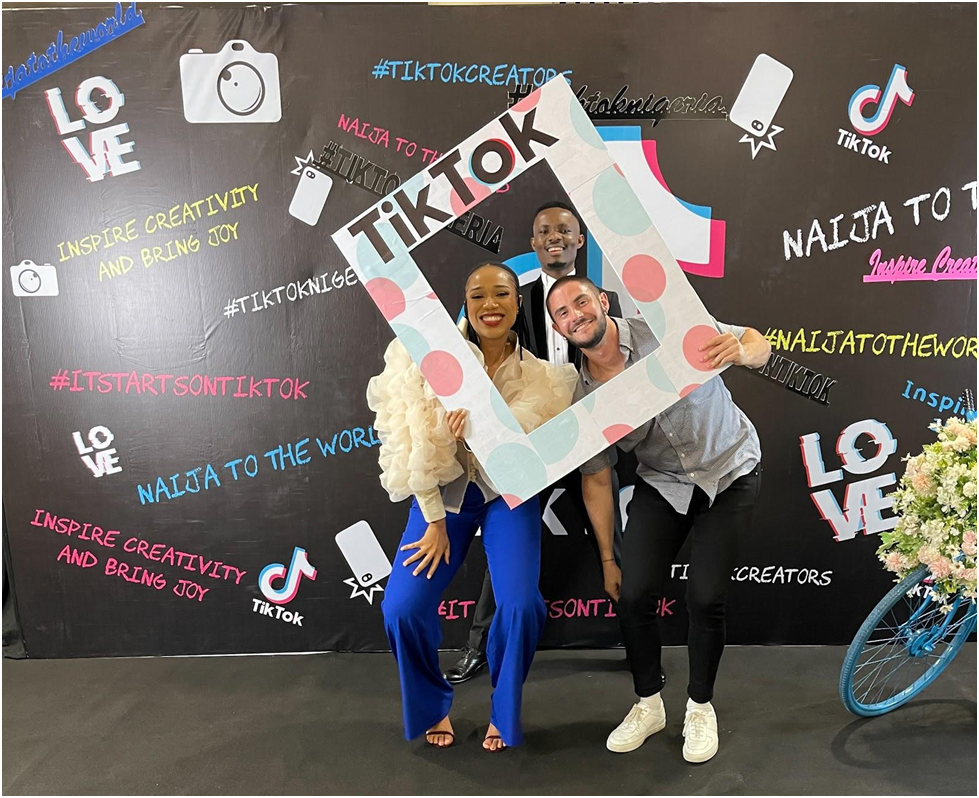
As TikTok’s Entertainment Vertical Lead for Sub-Saharan Africa, Okafor helped shape the way African creators show up on the platform and how the platform shows up for them. Her work wasn’t about gimmicks or flash-in-the-pan virality. It was about building the systems and campaigns that helped African entertainment become algorithm-friendly without losing cultural integrity.
She led the widely celebrated Homecoming festival, a creator-driven activation spotlighting diasporan artists returning to Nigeria to perform, collaborate, and reconnect. She also led the recently concluded TikTok Short Film Competition, TikTok’s first Africa-focused film initiative, which spotlighted emerging African filmmakers and introduced their work to global audiences. Both campaigns weren’t just successful; they helped formalize how TikTok approaches creative localization in Africa. She is the engine behind many TikTok favourites such as love Nwantiti by Ckay, Somebody’s son by Tiwa Savage, Baby Riddim by Fave, Ameno Amapiano by Goya Menor and Nektunez all now global hits.
In Okafor’s own words:
“It was never just about content. It was about designing a strategy that gave our creators, artists, and stories the infrastructure to thrive globally on their own terms. When we build campaigns that reflect cultural nuance and platform logic, we’re not just chasing views, we’re building bridges between identity and visibility.”
Before her time at TikTok, Barbra was already shaping narrative culture across TRACE and BBC Media Action, where she led national voter campaigns, COVID-19 storytelling, and multimedia projects that bridged public communication with digital media. Her work has quietly informed how platforms, policymakers, and brands approach youth audiences, civic messaging, and regional engagement across West Africa.
TikTok may be the face of viral entertainment today, but behind the scenes, it’s the work of creatives like Okafor that makes those moments meaningful and sustainable.
And the work is far from over.
As Africa’s creative economy expands, platforms are racing to localize not just content but opportunity. From short-form film to artist development and data-driven content strategy, the next frontier will be shaped by those who can bridge cultural depth with digital scale. Creators are no longer just talent; they are ecosystems. And the architects of those ecosystems, like Barbra Okafor, are setting the blueprint for what’s possible.
The question now isn’t whether African entertainment can go global. It’s how it will grow, and who gets to lead.
Disclaimer
Comments expressed here do not reflect the opinions of Vanguard newspapers or any employee thereof.