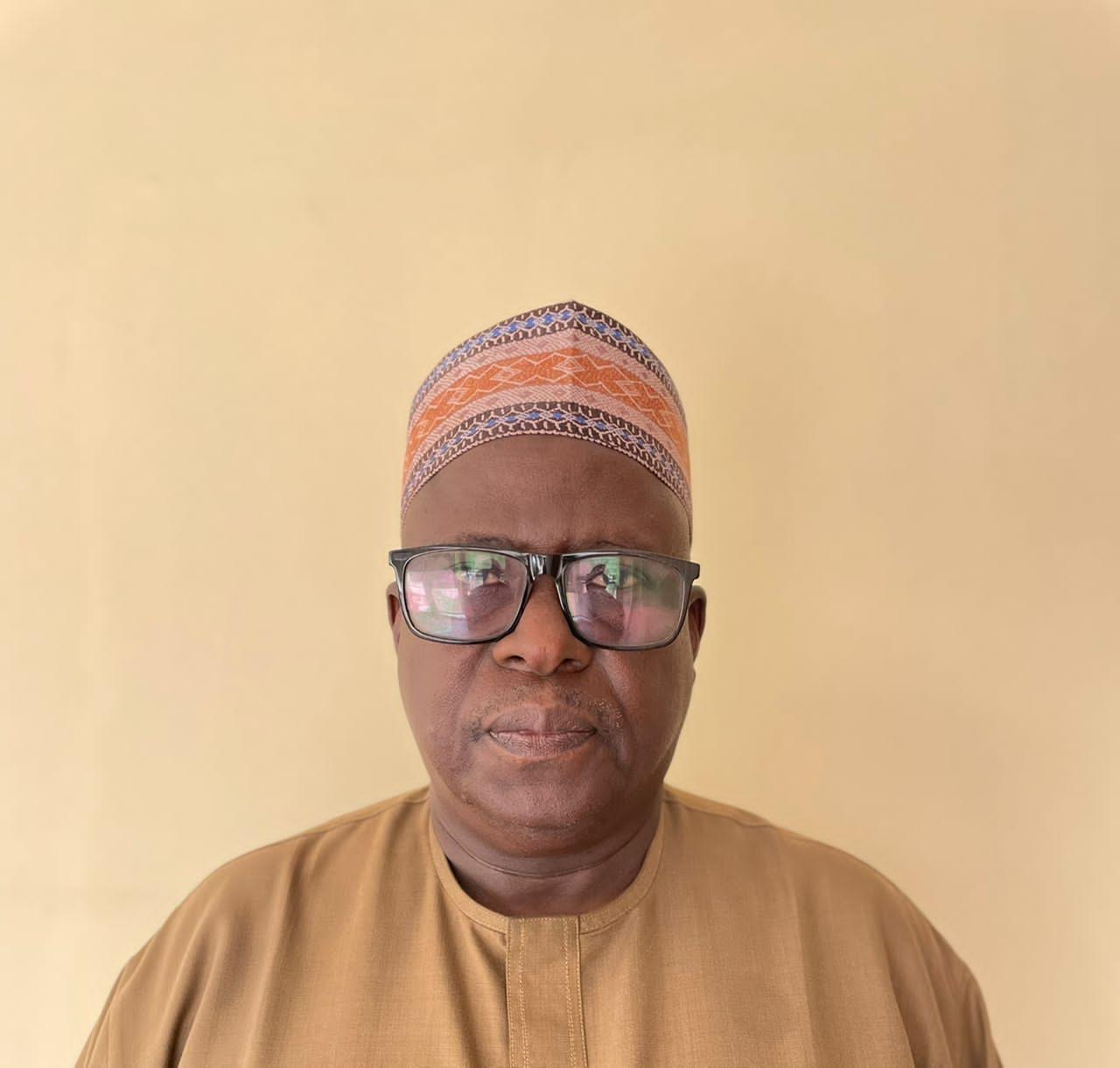
By Gabriel Ewepu
As Nigeria marks another June 12 as Democracy Day, the National President of All Farmers Association of Nigeria, AFAN, Arch Kabir Ibrahim, scored the Buhari-led administration fair on agricultural development and food production, while speaking on other issues affecting the sector.
Excerpt
Today’s Democracy Day, what is your assessment of President Muhammadu Buhari’s Seven years in power as it affects the agricultural sector?
Today marks the remembrance of real democracy in Nigeria when a free and fair election that produced MKO Abiola as the winner of the election that was unfairly annulled by the Military Administration of that time.
The Buhari administration has put agriculture on the front burner in Nigeria but it is still work in progress because the implementation of the Agricultural Policy, AP that brought about the real transformation has been poor.
Read Also:
Democracy Day: AFAN laments mistakes in appointment of Agric Ministers since 2015
Some adhoc action from the Central Bank of Nigeria, CBN, and National Agricultural Lands Development Authority, NALDA, should be mainstreamed for sustainability.
The various challenges of lack of capacity in some appointees to drive Agriculture over the seven year period of the Buhari administration coupled with insecurity and the COVID-19 pandemic have affected the attainment of the full potential of the Agriculture Promotion Policy which is yet to be replaced by the much awaited National Agricultural Technology and Innovation Policy, NATIP.
On the whole the administration has done fairly well but can do a lot better.
Have farmers had a fair deal under the Buhari-led administration in terms of access to finance, land, market, export, mechanisation and food production for profitability?
The population of the Nigerian farming community has been grossly underestimated and the various interventions do not reach a large proportion of the real farmers so the progress seen is not very impactful among the SHFs.
The implementation of the Anchor Borrower Programme by the CBN has been mishandled in some respect and the mechanization programme involving borrowing 1.1 billion dollars from Brazil since 2017 has not materialized so automation or mechanization of Agriculture is still very low.
The opportunities available in Africa Continental Free trade Area, AfCFTA, are still work in progress and the various windows designed for credit to farmers should be opened wider for the SHFs to benefit sustainably.
Insecurity has been a very serious threat to productivity around the food baskets of the country so productivity has been grossly affected.
What is also your assessment of the diversification mantra of the Buhari-led administration as it affects funding, policies and programmes that carry farmers along to achieve this before he leaves office in 2023?
It is work in progress and quite germane to prosperity among the SHFs but the impediment of inadequate finance, power, mechanization, storage, marketing and above all implementation of the overall policy are serious threat factors to the attainment of optimum results so the 2023 date is ambitious and a very tall order.
The incoming administration should simply continue with the Change Mantra for Nigeria to be better in agriculture.
What are the areas you think the Buhari-led administration is not really addressing for these Seven years of his administration as it concerns farmers?
Insecurity and implementation of the laudable plans on Agriculture are inimical to the envisaged success to have been attained by the Buhari Administration in the last seven years.
There have been serious mistakes in the appointment of the Ministers of Agriculture and Rural Development from 2015 to date as the veritable drivers to create the enabling environment to be embraced by the States where Agriculture really takes place.
The various actors in the Agriculture space have been working in Silos that is the CBN working without any synergy with the FederlMARD!
The farmers not really listened to and carried along in matters that directly affect them.
The All farmers Association of Nigeria, AFAN, not being given its rightful place as the umbrella body of all farmers and clearly treated as an NGO.
What is your worry about farmers under this administration?
The farmers are not being encouraged to have industrial harmony by undue interference and perceived preferential treatment by those entrusted with policy implementation at all levels from the Federal Ministry of Agriculture and Rural Development to the Central Bank of Nigeria, CBN, and even at the state level.
The results from the farming activities of the smallholder farmers would have been very remarkable had there been deliberate effort to involve them every part of the way in the implementation of the National Agricultural Agenda.
The fear is that there is likely to be lethargy in performance by the SHFs due to perceived inequity!
What is your assessment of State Governments on agricultural development and impact on the economy?
The majority of the state governments do not give the required due attention to Agricultural development not knowing that it is the best area of concentration for peace and effective governance.
The few States like Ekiti, Cross River, Ebonyi, Kaduna, Katsina, Jigawa, Kebbi, Nasarawa, Plateau and even Lagos have achieved some appreciable progress.
The States should attend the Annual Council on Agriculture meetings and key into the National Agenda to ensure effective implementation, Monitoring and Evaluation as well as modeling by their various state governments.
The impact of the States’ Agricultural Development Programmes, ADPs, on the national economy is not readily noticeable from their IGRs from agriculture!
What can you say about foreign direct investment in the agricultural sector these Seven years of the Buhari-led administration?
This could have been more but for the COVID-19 pandemic and the general insecurity in almost all parts of the country.
The policies are good enough to attract FDIs but the implementation and the enabling environment should be addressed to achieve maximum impact.
What’s your advice to Governments at all levels to take the agricultural sector to the next level before another June 12 in 2023?
My candid advice to government at all levels for the rest of the year and up to May 2023 is to declare a state of emergency on agriculture by effecting disruptive innovation in the sense of appointing crisis managers to drive agriculture to avert food insufficiency and hunger!
Disclaimer
Comments expressed here do not reflect the opinions of Vanguard newspapers or any employee thereof.