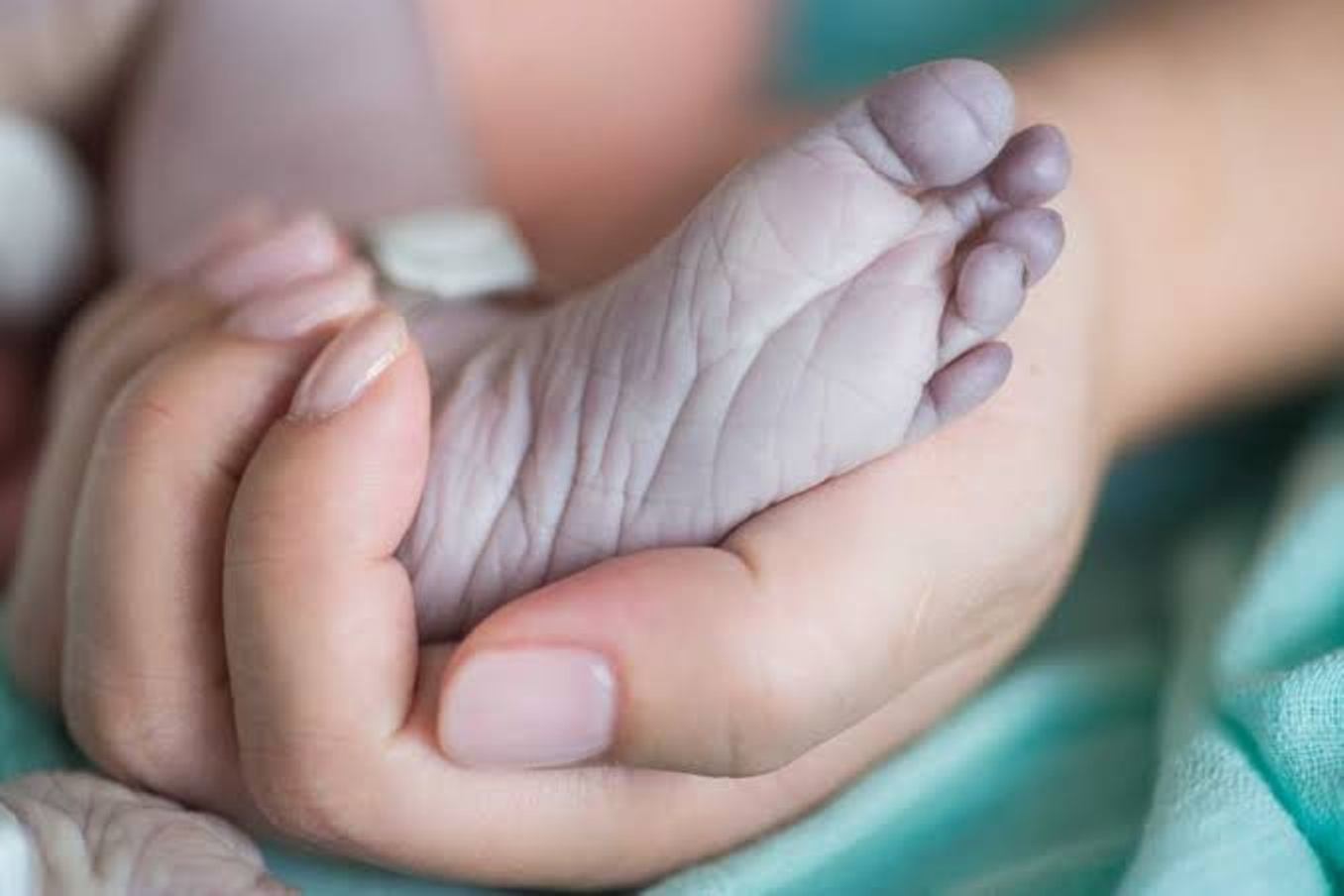
A growing body of researchers is showing men who delay fatherhood are putting their children’s health at risk every bit as much as women who decide to delay motherhood until they are 40s. New studies suggest that children born to older men may be at raised risk of a string of genetic disorders and diseases, including autism, schizophrenia and developmental problems such as dwarfism and cleft patate.
Some have even linked having an older father to Alzheimer’s disease, bipolar disorder (previously known as manic depression), heart disease and cancer.
For decades, women have been urged to have children while they’re young to avoid the risk of their children developing conditions associated with the mother’s advancing age, such as Down’s Syndrome. But now scientists have warned that a man in his 40s is twice as likely to pass down potentially disease-forming genetic mutations as a man in his 20s. In other words, the biological clock ticks for men too.
The theory, experts warn, could cause a fundamental shift in sexual politics, halting the trend for older parenthood in its tracks and prompting women to think twice when choosing the men who father their children.
Until now, it has largely been believed that there really were no limits on older men becoming fathers – apart, of course, from them not being around to see their children grow up. For decades, scientists have speculated about links between older fathers and birth defects.
But it is only recently that a ground breaking study, published in the respected journal Nature, proved that men undoubtedly pass on more genetic mutations to their children as they get older. “Society has traditionally been very focused on the age of the mother,” says Dr. Karl Stefasnsson of Decode Genetics, a leading genetic research company, who led the study. “But it seems that disorders such as schizophrenia and autism are actually influenced by the age of the father and not the mother.”
His report suggested that the apparently surging number of children diagnosed with autism may at least in part be explained by the ever increasing age of fathers. So how exactly do older fathers pass on health problems to their children? Just as a man’s memory and skin elasticity gets worse with age, the quality of his sperm seems to have as well, the experts explain. Crucially, unlike women who are born with a complete set of eggs, men continually make new sperm throughout their lifetime.
Every 16 days, cells in the testicles divide and the DNA each cell is copied into a new one which is used to make new sperms. The body is highly accurate at making an exact copy, but inevitably it sometimes makes mistakes.
Some sperm will be made containing an error in the DNA – what’s known as genetic mutation.
As a man gets older, says Professor Wilkie, the copying process becomes tired and less efficient and his sperm contains more mutations. And if mutated sperm is then used to form a foetus, there’s more chance of problems in its development. “It’s a game of chance.
It may be that this mutation does not occur in a critical place. But sometimes the game of chance is against you and the mutation hits a gene that will lead or predispose your child to a certain condition. So if the mutation is in the gene controlling brain development, for example, it can cause autism or schizophrenia. And potentially if a mutation occurs in a gene affecting your risk of a type of cancer, it could increase the chances of the child getting it in later life. Of course, children born to older parents can enjoy many advantages – research has shown they do better at school and even live longer, and often their parents can offer an emotionally and financially more stable childhood.”
Dr. Stefansson’s report has been challenged by other experts, however, who point out that autism may be on the rise simply because of better diagnosis, adding that the causes of the condition are complex and still not well understood.
“There is now quite a bit of literature showing the relationship between a father having a child at an older age and the risk of the child having negative and behavioural consequences,” says Dr. Avi Reichenberg, a neuro psychologist and epidemiologist at King’s College, London, and expert in this area. “These are small risks and, of course, most children born to older men will be healthy, but people should be aware that there are two biological clocks ticking when it comes to the decision to create a child.”
Disclaimer
Comments expressed here do not reflect the opinions of Vanguard newspapers or any employee thereof.