By Sola Ogundipe
An outbreak of wild poliovirus type 1 has been declared in Malawi after a young child in the capital Lilongwe, developed the disease. The World Health Organisation says it is the first case of wild poliovirus in Africa in more than five years.
Laboratory analysis shows that the strain detected in Malawi is linked to the one that has been circulating in Sindh Province in Pakistan.
In a statement, the WHO Regional Director for Africa, Dr Matshidiso Moeti, said urgent measures are being taken to forestall the spread.
“As long as wild polio exists anywhere in the world all countries remain at risk of importation of the virus. Thanks to a high level of polio surveillance in the continent and the capacity to quickly detect the virus, we can swiftly launch a rapid response and protect children from the debilitating impact of this disease,” Moeti stated.
In a reaction, the Polio Coordinator in the WHO Regional Office for Africa, Dr Modjirom Ndoutabe, said: “The last case of wild polio virus in Africa was identified in northern Nigeria in 2016 and globally there were only five cases in 2021. Any case of wild polio virus is a significant event and we will mobilise all resources to support the country’s response,”
READ ALSO: Poliovirus outbreak: 27 states, FCT on alert
As part of the response, WHO is supporting the Malawi health authorities to carry out a risk assessment and outbreak response, including supplemental immunization. Surveillance of the disease is also being ramped up in neighbouring countries.
The Global Polio Eradication Initiative (GPEI) Rapid Response Team which is based at the WHO Regional Office in Africa is deploying a team to Malawi to support coordination, surveillance, data management, communications, and operations. Partners organizations will also send teams to support emergency operations and innovative vaccination campaign solutions.
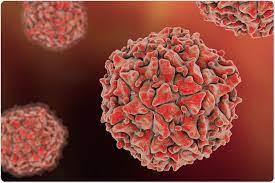
Polio is a highly infectious disease caused by a virus. It invades the nervous system and can cause total paralysis within hours. The virus is transmitted from person to person mainly through the fecal-oral route or, less frequently, through contaminated water or food, and multiplies in the intestine.
While there is no cure for polio, the disease can be prevented through the administration of a simple and effective vaccine.Africa was declared free of indigenous wild polio in August 2020 after eliminating all forms of wild polio from the region. Polio remains endemic in Afghanistan and Pakistan. As an imported case from Pakistan, this detection does not affect the African region’s wild poliovirus-free certification status.
Disclaimer
Comments expressed here do not reflect the opinions of Vanguard newspapers or any employee thereof.