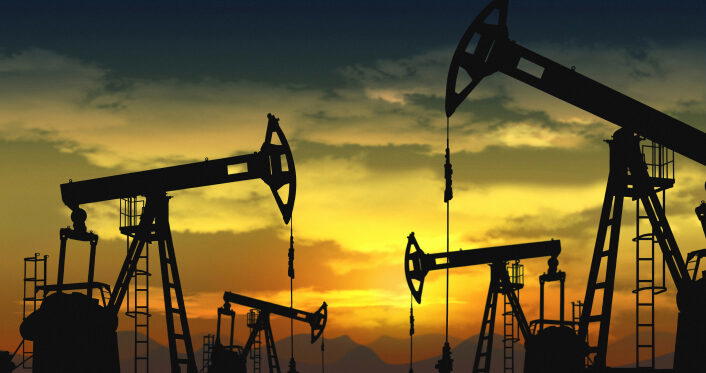
If you follow the crude oil market, you’re probably wondering if prices ever reach a top, and if so, what will it be? But, precise predictions in energy and commodity sectors are impossible.
Fortunately, it is possible to make educated guesses about the duration of crude’s current bullishness as well and the potential top out price.
The market for all oil-based assets is global, complex, and always changing. With new energy sources available in the automotive and home-heating sectors, there is a long-term downward pressure on oil’s price.
But, in contrast to that single negative, there are dozens of other forces working to prop up per-barrel price tags, and they’re not all economic in nature. For anyone who’s interested in investing in the niche or trading oil securities or commodities for a profit, it’s essential to review the current state of affairs in the sector, examine how everyday trading enthusiasts can take advantage of up-to-date information, use special instruments, like CFDs, to protect themselves, and balance portfolios for additional risk minimization.
What’s Going on With Crude Prices?
The global crude oil market is currently in a very bullish phase, with $90 per barrel prices in reach. As of late 2021, the hugely popular asset trades at $76.89 per barrel and is headed north. The bullish crowd cites several key factors at play in this unexpected pricing scenario. For starters, the OPEC+ (also called OPEC-Plus) cartel apparently doesn’t have the capability to keep prices down by flooding the market, as it usually can.
Consumer demand, raging after months of pandemic-induced economic sluggishness, is at an all-time high. With businesses all over the world slowly coming back to life, the need for energy of all kinds is rising, and it’s tough for producers, even large ones like OPEC+, to keep up.
Add the natural gas shortage to the mix of perfect storm factors, and it’s easy to see why per-barrel price tags keep going up, and likely will continue that trajectory for months, if not years. It only stands to reason that when industrial buyers can’t get the natural gas they want, they’re forced to the only alternative: oil. The gas situation alone is a core component of oil’s elevated popularity.
How Traders Can Take Advantage of Bullish Oil
How can everyday traders and investors take profits in a rising crude oil market? Is it as easy as just buying and holding, or are there other, more precise ways to earn profits? In fact, there are several excellent and relatively straightforward ways to capitalize on a bull oil scenario. First, many people who follow the daily energy news realize that even in a bull market, there’s still a good amount of volatility in the sector. Prices rarely move straight up or straight down. One solution to this common dilemma is using trading signals to time position entries and exits. This strategy is especially useful for those who engage in short-term, swing, and day trading.
Second, the use of stops and limits on every order can bring some peace of mind to anyone who holds a position in oil-related assets. Perhaps the most typical methods involve setting a gain limit on the upside and a stop loss on the low end. That way, when your profit target is reaches, you can take gains without having to worry about a pullback. Likewise, stop losses are a wise way to exit a position before a precipitous fall in value.
Use CFDs for Short-Term Plays
In addition to the use of trading signals, limits, and stop losses, people who prefer a generally safer, more precise approach use CFDs (contracts for difference) to play the crude oil market. Spread betting, or placing an order that simply predicts the direction of prices, means not having to take an ownership position of shares, options, or other kinds of securities. With CFDs, the trader’s only exposure is the contract.
If prices move in the direction you predict, you gain. If not, you notch a loss. Keep in mind that using leverage can magnify both gains and losses, so make the decision whether leverage is right for you and fits into your overall trading philosophy. Yet, even with leveraged positions, it’s still possible to use limit and stop orders to protect yourself on the low side and safely take gains on the high side of a given transaction.
Diversification
An age-old technique among beginning and sophisticated traders is diversification. Even if crude oil markets are your favorite, consider adding others to balance out a portfolio. Think outside the box, as the saying goes, by thinking about industrial, health care, and tech shares, all of which are available via CFDs.
Disclaimer
Comments expressed here do not reflect the opinions of Vanguard newspapers or any employee thereof.