By Boluwaji Obahopo – Lokoja
OVERVIEW
Kogi state has three key competitive advantages among other states in Nigeria – solid mineral deposits, culture and agriculture. These three are largely untapped. Previous efforts to leverage on them for socio-economic development, have been poor and uncoordinated.
The rich cultural heritage is enhanced by the position of the state in the history of Nigeria. Solid mineral development is almost exclusively managed by the Federal Government, Agriculture is the easiest and fastest route to empower the most vulnerable, especially youths, improve on micro and macro economics of the state and guarantee food security.
Created in 1991, with a land mass of 29,833km2 and located in central zone of Nigeria, Kogi is popularly referred to as the Confluence State because she is opportune to be blessed with the marriage of the two major rivers in Nigeria namely -River Niger and Benue. The two major rivers and other streams of water body have a land mass of alluvial deposit in its various basins suitable for agricultural production. Kogi land is classified grade ‘A’ soil in terms of fertility and quality for cultivation.
PROBLEM
Kogi state is the highest cassava producer in the country with an annual production of 4 million metric tonnes. Seven years ago, a 12,500-hectare Cassava Farm City project was muted by Kogi state government and corporate organizations. The cassava city project incorporates the entire value chain of cassava, including farmers, agro-chemicals/equipment dealers, extension agents and crop processors. The project was also planned to produce 40,000 litres of bio-ethanol per day.
A similar project was also designed with a proposed 100 million USD foreign investment in the Alape Crop Processing Zone.
Both projects are stalled, just like many others across the state. And just like cassava, the cashew sub-sector is not faring well in the state.
According to the Vice President of the National Cashew Association of Nigeria (NCAN), Stephen Ahiaba, Kogi is the highest cashew producing state in Nigeria, exporting about 100 metric tonnes out of the 220 metric tonnes of cashew nuts exported by the entire country annually. Sadly, the state remains firmly in the grip of poverty, unemployment and poor health
Kogi is capable of generating over 10,000 job opportunities from investments in cashew production and processing.
Smallholder farmers in Kogi state are not happy with the lack of enabling environment for effective and efficient agricultural practice. Hajia Sefiya Yahaya, Small Scale Women Farmers Organisation in Nigeria (SWOFON) Coordinator in the state had sometime past called on government to accord women farmers their rights and make land available to them.
All these genuine concerns seems to have been answered as the state government has taken steps in the right directions to effect change in the agricultural sector
PRESENT INITIATIVE OF THE STATE GOVERNMENT
The state has commenced a greenhouse vegetable agricultural program in Osara in the Central Senatorial axis of the state. The GreenHouse vegetation which was the effort of the present administration of Governor Yahaya Bello has been able to generate employment and revenue, and it’s been effectively managed and expanded for greater output.
The GreenHouse vegetation which is in partnership with an Israeli company has empowered 1,000 youths to establish 1,000 smaller Green House Farms.
Also, the Ejiba Rice Mill located in Ejiba community of Yagba West Local Government Area in Kogi West zone of the state is another agricultural giant stride that is creating employment and revenue along the food value chain. The mill is targeted to provide 6000 jobs at its full capacity.
The N4 billion Rice Mill has also paved way for additional out grower’s scheme for farmers who are coordinated in cluster groups for paddy rice production to effectively feed the plant. The cluster groups are allocated space in the 800 hectares within the same neighbourhood of the mill at Ejiba. The mill is working at production of 50 tonnes of finished product per shift, to make 100 tonnes per day at start. The Rice Mill is adjurged as the second largest in West Africa. It is expected to generate N100 million annually as Internally Generated Revenue for the state.
The livestock initiative in Idah, in the Eastern flank of the state makes the effort of the Governor Yahaya Bello administration holistic in agricultural investment. Partnering with the federal Government, the concept has expanded the revenue base of the state and create employment through improved livestock production and other derivatives.
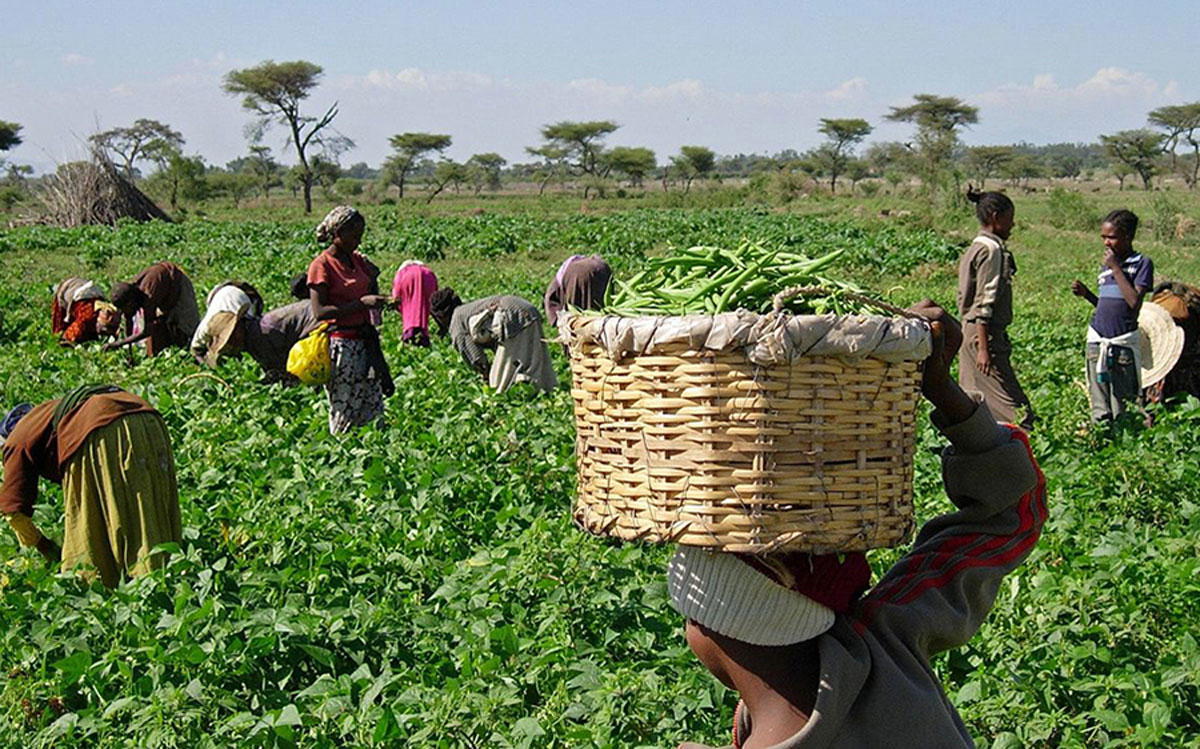
An addition of 1000 youths are trained in Aqua culture (fish farming), the Anchor borrower scheme has empowered thousands of farmers in rice and cassava plantation; the state government has also procured hundreds of tractors shared amongst farmers for mechanized farming…with majority of the beneficiaries being youths.
Agricultural experts, Dr. Tunde Arosanyin said all that is needed now is for the state to take a pragmatic action, mobilize farmers and other stakeholders along the food value chain for effective production, “There is no better time than now to return the state’s economy to its rightful position among the committee of states through Agriculture!”
Dr. Arosanyin said the state vegetation, which is of guinea savannah grassland intermixed with sparse rain forest, has an annual Rain fall of about 1,325mm which covers April to October – in Comparison with Israel which has annual rainfall of about 722mm which covers 4 months February – May and are doing better in agriculture.
“With the two major rivers and streams that traverse the lands of all the 21 Local Government Areas and holds ground water for over 10 months – in comparism with Netherland’s that has only one major river of River Niger Status and capacity in terms of volume of water. Kogi Speed of wind is about 62.5km per hour on the average for over 12 hours per day. Sunshine is about 8 hours daily on the average. Humidity is about 62% in moisture content in general.
“All of the above climatic factors are indicative of the potentials as a mini-nation to be self sufficient in food production through agricultural revolution.”
PAST AGRICULTURAL EFFORTS AND THEIR CHALLENGES.
The Acharu and Aloma oil palm plantation in the Eastern flank started as a success story but was not sustained because of poor maintenance culture and policy summersault at federal and state levels.
Also, the Ageva Poultry scheme and Dangote Sesame vegetable oil processing establishment in the central zone also went moribund due to non sustainability and poor technical support by subsequent administration. Same for the Mopa and Ejiba Valley food scheme which suffered financial crisis, while the Alape Agro industrial project could not take off due to slow government action over the years.
THE WAY FORWARD
The way forward is for the state Government to sustain its present investment efforts in agricultural opportunities through sporadic Public Private Partnership initiative by looking closely into some of the agricultural projects that are still moribound in the state.
ALAPE INDUSTRIAL HOB: Arosanyin said the cassava value chain Industrial processing zone along Alape, Agbadu and Odo- Ape axis should be vigorously pursued by the State Government in partnership with the NNPC, Federal Government and foreign business investors, for takeoff to add to the success story of the present administration in Kogi State. He said similar project can also be initiated at the other two senatorial districts after a success story of the on-going project completion and take off, “The benefits in terms of revenue generation, employment opportunities and development are enormous to the state.” He stated.
CAHSEW PLANTATION AND INDUSTRIAL PROCESSING: The State can explore opportunities within the EEC- European Economic Community Business Forum and EMRC to expand the existing cashew farms in the state and develop value addition in both nut and apple industries with investors for economic benefits in all the three senatorial districts.
MINI PLANTS FOR FRUIT/JUICE COMPANIES: Citrus, Mango and pineapple mini processing plants can be developed in the state through Public Private Partnership (PPP) arrangement.
OIL PLANTS FROM PALM OIL AND SESAME – The state is at a great advantage in both oil palm and sesame production most especially oil palm in the east and sesame in the central at primary production level. The high demand in palm oil and sesame oil globally can be explored for the economic expansion of the revenue base of the state.
LIVESTOCK AND FISHERY: Meat, milk, egg and fish are essential product of livestock farming and it’s in high demand in view of the huge population of Nigeria and the West African Sub-region. As a matter of fact, there is high demand of Nigerian tilapia in Asia and Western Europe which can be tapped into through value addition for food and enhanced revenue.
There are obvious challenges mitigating against agricultural development in Kogi state. They range from unstable government actions and policies to lack of enabling environment for women and youth to thrive in the sector.
CONCLUSION – It is very important to turn around the economic fortunes of Kogi State through agricultural revolution especially in the face of dwindling revenue from the Federation purse due to global economic crisis aggravated by Covid-19 pandemic leading to oil price collapse in the international market. Kogi State government effort aimed at diversifying the economy of the state from a mono-economy to a multi-faceted economy using agriculture as a pivot to galvanize the revenue base of the state, produce sufficient food for the citizenry and create employment opportunities for the teeming populace is a right step in the right direction.
Looking at endowment, potentials and features, Kogi State can harness all her potentials to be self sustaining in revenue generation, employment creation and guaranteed food security. All the state needs to do is to sustain the present agricultural revolution tempo as well as bring about a social engineering – that will inspire more young people and women to engage in mechanized farming.
Disclaimer
Comments expressed here do not reflect the opinions of Vanguard newspapers or any employee thereof.