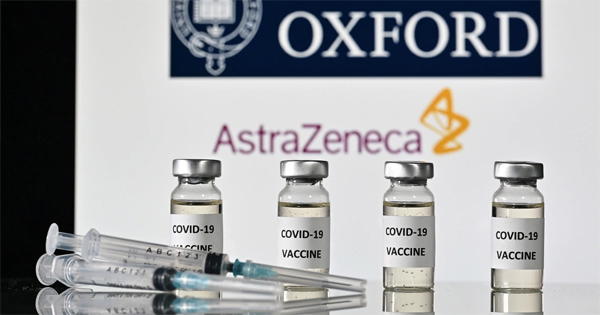
German health officials have agreed to restrict the use of AstraZeneca’s coronavirus vaccine in people under 60, amid fresh concern over unusual blood clots reported in a tiny number of those who received the shots
Health Minister Jens Spahn and state officials agreed unanimously to only give the vaccine to people aged 60 or older, unless they belong to a high-risk category for serious illness from COVID-19 and have agreed to take the vaccine despite the small risk of a serious side-effect. The same option will be available to anyone who gets the shot at their GP, which will start to become possible later this month.
“In sum it’s about weighing the risk of a side effect that is statistically small, but needs to be taken seriously, and the risk of falling ill with corona,” Spahn told reporters in Berlin.
The move follows the recommendations of Germany’s independent vaccine expert panel and comes after the country’s medical regulator released new data showing a rise in reported cases of an unusual form of a blood clot in the head — known as sinus vein thrombosis — in recent recipients of the AstraZeneca vaccine.
READ ALSO: 718,412 receive 1st dose of vaccine — NPHCDA
The news is a further blow to the vaccine, which is critical to Europe’s immunization campaign and a linchpin in the global strategy to get shots to poorer countries. It comes less than two weeks after the EU drug regulator said the vaccine does not increase the overall incidence of blood clots following a similar scare.
The European Medicines Agency said at the time that the benefits of vaccination outweigh the risks, but it could not rule out a link between the shot and some unusual kinds of clots, and recommended adding a warning about possible rare side-effects.
Several German regions — including the capital Berlin and the country’s most populous state, North Rhine-Westphalia — had already suspended use of the shots in younger people earlier Tuesday after the country’s medical regulator said its tally of the rare blood clots reported by March 29 had increased to 31. Some 2.7 million doses of AstraZeneca have been administered in Germany so far.
Nine of the people died and all but two of the cases involved women, who were aged 20 to 63, the Paul Ehrlich Institute said.
In a statement ahead of the announcement, AstraZeneca said tens of millions of people worldwide have received its vaccines and noted that the EU regulator and the World Health Organization concluded that the benefits of the shot outweigh the risks.
Disclaimer
Comments expressed here do not reflect the opinions of Vanguard newspapers or any employee thereof.