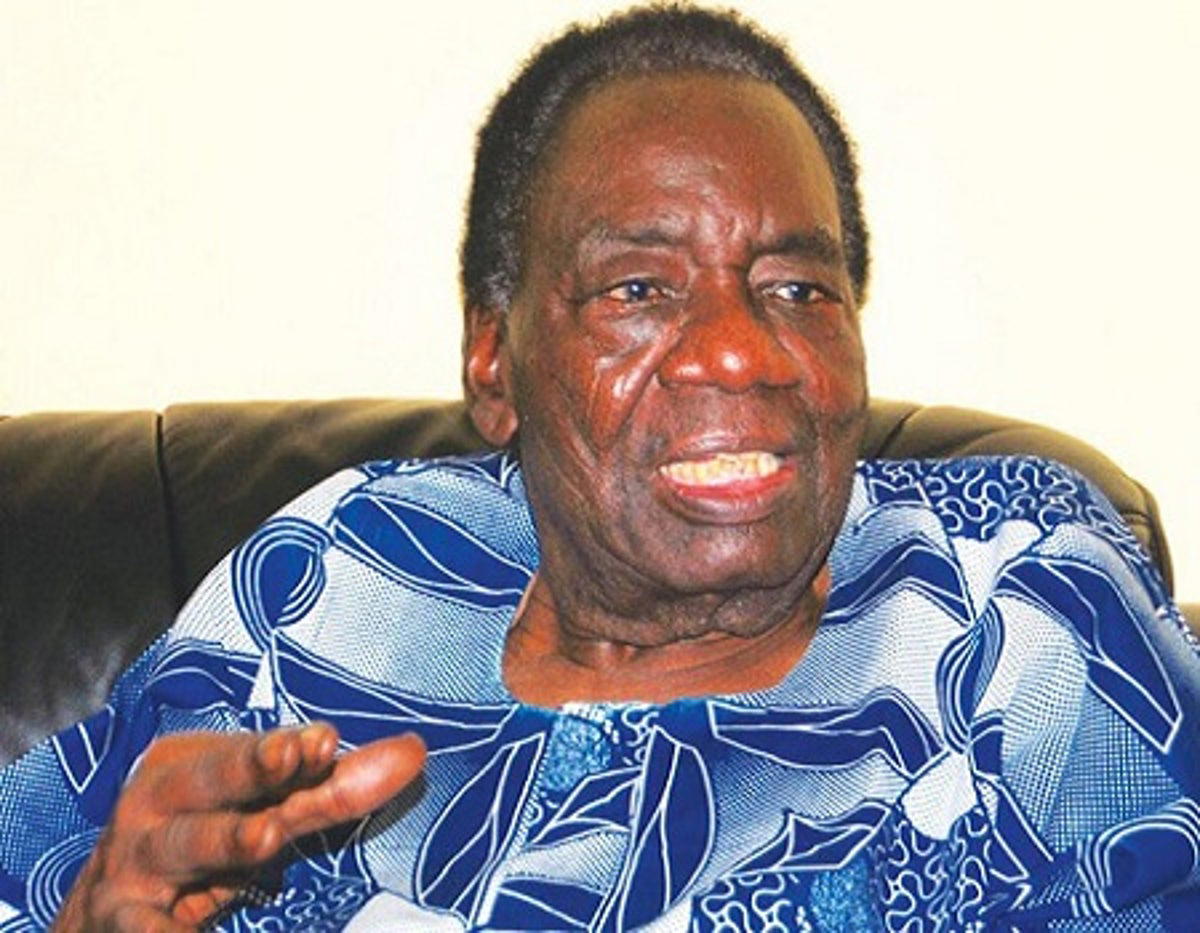
Richard Akinjide
By Eric Teniola
This is the concluding part of the late Chief Akinjide’s speech to the defunct Constituent Assembly.
THIS is an argument that cannot be supported. If you create the system and people go there to adjudicate, they will not interact with others. But those of us who did Act marriage, we have been doing our things in our separate courts. Those our brothers who did customary marriage do not complain that they do not interact with us and those our colleagues who did customary marriage had never complained that because of their customary marriage they do not interact with us.
As a matter of fact when we do our thing they come there and when they do their own thing we go there. Nothing prevents us from going there. So the argument of interaction, with great respect to my good friend, is unsupportable. Again, Mr Chairman, if you do not create an appellate arrangement for these courts, suppose there are issues of fundamental human rights, suppose there are issues pertaining to the interpretation of the Constitution, how are they going to be resolved?
Do you want them to interprete the issues the way they like and rest there without the Supreme Court having an advantage of looking into them and having a common interpretation for the whole country? These are very serious matters and I want us to look at them very seriously. In any case there is more important point than all the arguments I have advanced.
If you look at the Draft, the primary responsibility for law and order in this country, is vested in the Federal Government and this issue is a matter of law and order. You cannot really eschew the Federal Government from this matter because the primary responsibility is there and all the territories of the 19 States are the territories of the Federal Government.
Mr. Chairman, I will now talk briefly on the judicial system. I agree entirely that the recommendation abolishing the Revenue Court is a mistake and I will give my reason. I served on the sub-committee which dealt with the matter and gentlemen will see in the report, I think it is on page 113, what we recommended with sound argument but at the CDC we were overruled.
But some of us told them that we reserved the right if we were in the Assembly to raise the matter. My view is that the name Revenue Court should be changed and it should be called the Federal High Court and that Federal High Court should take over all the functions of the Federal Revenue Court. It should also take over election petitions pertaining to Federal Legislature.
READ ALSO: Richard Akinjide in his own words (4)
There could be election petitions about the Senate, there could be petitions about the National Assembly and I would not advise that all these should go to the State courts. These should go to Federal courts. Again, this is talking from my own experience, you do not want to use the machinery of states for the purpose of adjudicating on Federal elections either to the Senate or the National Assembly.
Again they should be vested with power, where one state wants to sue another state, they should have to go to the Federal Court. Where a state wants to sue the Federal Government it should go to the federal court or where an individual wants to sue the Federal Government that person should have to go to the Federal Court so that this court will be very busy and it will have plenty of work to do.
Mr. Chairman, this court transcends the state of origin. The gentleman in Ibadan now is from Port Harcourt and the gentleman in the Revenue Court in Sokoto before was from Anambra. Nothing is better than this and the trend of appointing people of state origin as court judges, I think, this will certainly be an improvement on it. Mr. Chairman, I will try to wind up.
Now the civil service. I felt sad when I heard people condemning our civil service either in temperate or intemperate language. Frankly speaking, I think we have the best civil service in black Africa.
If you look at what they did during the civil war, without a good civil service during our trouble, I do not know what this country would have become. Furthermore, we should not scare them away. I know as a fact that some civil servants want to run away before 1979. We should be very careful of new and inexperienced politicians and new inexperienced civil servants.
We are courting trouble if we are not careful. We should encourage them to stay because if they go to the private sector, they are hot loaves and they will get better pay and better condition of service. So for God’s sake, these excellent people should be encouraged and not discouraged.
Now on local governments, if we look at the Third Schedule specific functions are given to local governments. The local government is the infrastructure of any government and they are made an important tier of a governmental system but we should make sure that they are given sufficient money to run their essential services which we itemised in the Third Schedule.
Again, good personnel should be attracted and they can only be attracted if their conditions of service are good. We should encourage them and we should not make it a blind alley. Also responsible people in the society should be encouraged to contest elections into local governments because local government is as important as state government if not more important, and it is as important as the Federal Government.
Mr Chairman, this is the brief contribution I have to make. I thank you for the opportunity given to me.
Disclaimer
Comments expressed here do not reflect the opinions of Vanguard newspapers or any employee thereof.