FIVE years after assuming power, President Muhammadu Buhari has initiated moves to implement one of his 2015 campaign promises: reducing the size of the Federal Government. The twin blows of Coronavirus pandemic and the steep crash of crude oil price which left Nigeria with little money to spend may have compelled this. That is unfortunate.
If he had implemented a massive downsizing of the massive, sprawling federal bureaucracy while he was still the feared new “sheriff in town”, Nigeria might have been miles ahead today. We would have freed some resources to cater for our impoverished population during this pandemic lockdown.
On Friday, May 1, 2020, President Buhari responded to our gloomy economic prospects by ordering the implementation of the “Presidential Committee on Restructuring and Rationalisation of Federal Government Parastatals, Commissions and Agencies” report otherwise known as the Oronsaye Report, possibly by October this year.
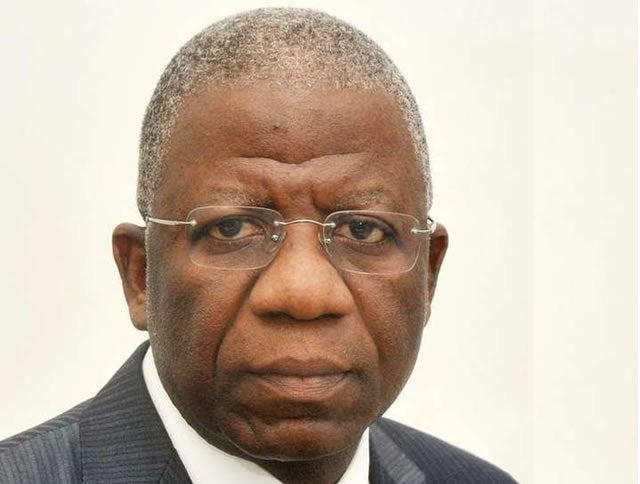
A few months after assuming office as an elected leader in 2011, former President Goodluck Jonathan had set up the Committee with the then Head of Service of the Federation, Mr. Stephen Oronsaye, as the head. After eight months of work, the Committee submitted an 800-page report to Jonathan.
It identified 541 Ministries, Departments and Agencies within the machinery of the Federal Government, with up to 50 of them having no enabling laws. Among others, the panel recommended the reduction of statutory agencies from 263 to 161 and the removal of all professional bodies and councils from the national budget.
READ ALSO: Oronsaye Report: Senior civil servants raise alarm over looming lay-off
The panel’s recommendations apparently ruffled a few but nonetheless powerful feathers, whose machinations might have affected implementation of the report. Eventually, Jonathan failed to implement the policy. The Oronsaye Report thus joined similar past exercises, like the one conducted by the Allison Ayida panel in 1995 and the Ahmed Joda panel in 1999 on the dusty shelf of Nigeria’s abandoned reform efforts.
The questions now are: How far can Buhari go in this effort? What can he really do in view of the landmines lying in wait? How can he slash hundreds of MDAs without laying off workers, especially with Labour, career civil servants and the National Assembly (which will need to review the laws) are all waiting to react? And if he lays off workers, can he pay severances packages?
Experts say even the full implementation of the Oronsaye Report will bring only marginal, temporary gains as our lawmakers have the penchant to create executive bodies with every piece of new legislation.
For us, the only viable way forward is a total system rejig. We must devolve more of the powers being exercised by the Federal Government to the states and local governments. We need a smaller, smarter and more responsive Federal Government. Implementing the Oronsaye Report is a mere cosmetic measure.
Disclaimer
Comments expressed here do not reflect the opinions of Vanguard newspapers or any employee thereof.