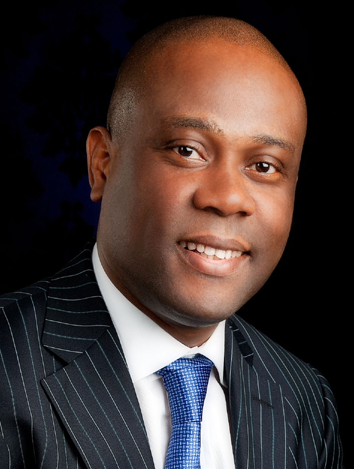
Access Bank Wigwe
Leaning on the available statistics of the impact of Nigeria’s creative industry, and the harsh realities of the lingering unemployment figures, Access Bank’s GMD/CEO, Herbert Wigwe, has stressed that the industry needs urgent financing from commercial banks to bridge unemployment gaps.
Nigeria has the largest economy in Sub-Saharan Africa – with fast-growing investment in technology, film, arts and fashion sectors. The industry accounted for about 2.3 per cent of the nation’s GDP in 2016, approximately N239 billion. However, that has more than doubled in recent years, rapidly becoming another panacea for reducing unemployment and diversifying the economy.
According to the federal government, the country’s unemployment rate will reach an alarming 33.5 per cent in 2020, with a high unemployment rate of 23.1 per cent, and underemployment of 16.6 per cent. While data reveals that more jobs are being created in the entertainment sector – and the majority of these jobs are formed by digitally-engaged, freelance creatives between the ages of 18 – 40 years old – a growing segment of young entrepreneurs continue to find it difficult to access the necessary tools for business growth and self-empowerment.
READ ALSO: We must begin to think Nigeria first for our creative industry —Omotola
In the wake of the Creative Industry Financing Initiative (CIFI), which is a Central Bank of Nigeria Initiative, Access Bank opened its window to disbursing loans to beneficiaries. The loan, with a maximum interest rate of 9 per cent per annum, has a repayment period of 10 years. Focused on Fashion, Information Technology, Movie Production, Movie Distribution, Music, and Software Engineering Student Loan, the initiative is aimed at supporting capacity building and employment creation for individuals and businesses.
Unrelenting in its efforts to promote the creative industry through one of its most promising sectors — film– Access Bank empowered young and budding filmmakers through the Accelerate Film project. The beneficiaries of the mentorship programme were given the opportunity to exhibit their films at the most prominent film festival on the continent, the Africa International Film Festival (AFRIFF).
It is predicted that in the next five years, the Creative Industry Financing Initiative will provide more young Nigerians access to capture a significant market share of a $10.7 billion global music industry. In line with the Bank’s five-year strategy of becoming Africa’s gateway to the world, Access Bank has promised to make the scheme a success, reflecting its position as Africa’s leading financial institution, and an essential partner in promoting the vibrant creative spirit that abounds in Nigeria and Africa.
Disclaimer
Comments expressed here do not reflect the opinions of Vanguard newspapers or any employee thereof.