Waste pics
By Adesina Wahab
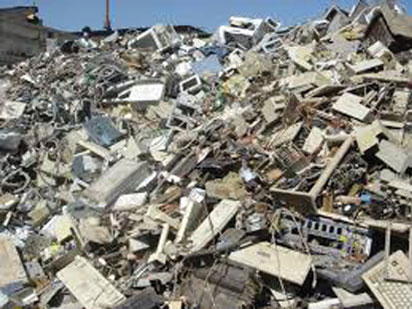
WasteA professor of Industrial Chemistry/Materials, Covenant University, Ota, Ogun State, Prof. Kolawole Ajanaku, has said some solid wastes being generated in the country can be converted to food supplements, porcelain tiles, among others.
Delivering the 21st inaugural lecture of the institution tagged: Solid Waste Revolution: The artificial intelligence towards smart, sustainable and safe cities, he noted that the country only needed to sort out the wastes using modern methods.
READ ALSO:SDGs: LASG urged to invest in frontier technologies to tackle waste challenges(Opens in a new browser tab)
He added that though not all wastes could be recycled, the cost of raw materials, energy, transportation among others, would in the long run make reuse and recycling of wastes imperative.
He said the practice of dumping wastes in landfills had become outdated and modern methods of waste management being the order of the day.
Ajanaku gave the instance of how he used Brewery Spent Grains to make food supplement for human consumption as well as animal feed.
READ ALSO:FG to establish agency for artificial intelligence, robotics – Onu(Opens in a new browser tab)
He added that a research he conducted led to making of tiles from brewery cullet.
He, however, emphasised the importance of a recycling process which would start with putting the right thrash in the right bins.
“By artificial intelligence method, it is possible to create an autonomous robot that can sort materials and can keep learning and improving over time. The problem with machine learning models is that just a few samples of each material are not enough because robot will always be finding new objects and it may not be able to know its materials,” he said. Earlier, the Vice-Chancellor of CU, Prof. Adeyemi Atayero, said universities should serve as centres to provide solutions to societal problems.
“Research findings are the pathways for providing solutions to the problems and challenges facing the society. Urbanisation is presenting some problems relating to waste management. By 2050, 66 per cent of the world’s population is projected to live in cities.
“Going by statistics from research conducted, an average person generates 1.2 kilograms per day and current waste management methods are inadequate to cope with the issue and we need solutions to be proffered through papers like this,” he said.
Disclaimer
Comments expressed here do not reflect the opinions of Vanguard newspapers or any employee thereof.