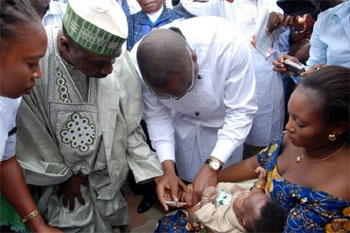
•Response to viral hepatitis
*Nigeria,home to over 100,000 children with chronic hepatitis B is hepatitis capital of Africa
By Sola Ogundipe
Viral hepatitis or inflammation of the liver kills millions annually in Africa and Nigeria in particular. The latest scorecard by the World Health Organisation, WHO, says dying of viral hepatitis in Africa is becoming a bigger threat than dying of AIDS, malaria or tuberculosis. Daily at least two new hepatitis cases are diagnosed across in the country Nigeria. Erstwhile Minister of Health, Professor Isaac Adewole, confirmed that about 20 million Nigerians have hepatitis while WHO’s scorecard shows that 100,000 children with chronic Hepatitis B are in Nigeria. Experts say political will, effective immunisation coverage, awareness and universal free testing and treatment will help the country turn around the tide of the hepatitis.
•Response to viral hepatitis
Chioma Obinna writes.
If a black man or woman is diagnosed with Hepatitis B anywhere in the world today, chances are quite high it is likely to be a Nigerian because Nigeria ranks among countries with the highest burden of the disease in Africa with a prevalence of 5.5 per cent, according to the World Health Organisation, WHO.
The drama surrounding death of 44-year-old Emmanuel Stephen remains with his wife and four little children. It began with fever and he was managing malaria for close to a month without improvement. Emmanuel, a petty trader, was later told it was a spiritual problem after prayers elsewhere. Two weeks later, his sickness became worst and his wife forced him to the hospital where he was diagnosed with hepatitis B. Sadly, Emmanuel could no longer continue treatment and was taken back home.
The family was broke and his wife could not cope. She sought assistance of community members who were able to contributed N100, 000. But it was too late. Emmanuel died on the way to the hospital. His case is just one of the many lost to hepatitis in the country.
According to medical experts, viral hepatitis is an inflammatory condition of the liver caused commonly by a viral infection and could also be caused by certain medications, medical conditions, drugs, toxins, and alcohol use. Viral hepatitis is classified into hepatitis A, B, C, D, and E, but the most common forms are A, B and C, while B is more deadly.
Deadly as viral hepatitis is, millions of Nigerians are ignorant about its grievous nature. Worse still, there is little or no political will to tackle the disease. Low awareness is fuelled by myths and misconceptions, poor immunisation coverage, high cost of diagnostic testing and treatment, and acute shortage of specialists who should stem the tide.
No thanks to these challenges, the first-ever WHO scorecard on hepatitis in Africa, ranked Nigeria No. 1 among 12 African countries with the highest burden of viral hepatitis. The sorecard provides vital information about the status of the regional hepatitis response, measuring progress against the Framework for Action for the Prevention, Care and Treatment of Viral Hepatitis in the African Region from 2016–2020.
The report also showed that Nigeria is among countries where 100,000 children under age 5 have chronic hepatitis B. It also revealed that the high burden in children was also due to lack of hepatitis B vaccination at birth and what it described as ‘sub-optimal’ coverage of pentavalent vaccination in countries like Nigeria and eight others.
The scorecard which also noted that everyday complications of viral; hepatitis-related liver disease, including cirrhosis and liver cancer, claim the lives of at least 550 people and more than 200,000 Africans per year, regretted that the disease remains neglected in Nigeria and many parts of the continent. The report revealed that nearly two million lives in Africa are in the balance.
According to the WHO’s Regional Director for Africa, Dr Matshidiso Moeti, Nigeria among 44 others out of the 47 countries are not on track to eliminate the disease that affects 1 in 15 people in the region.
For him, administration of the hepatitis B vaccination at birth and in early infancy could halt the transmission of the virus as 95 per cent of the burden was due to infections among children, acquired before their fifth birthday, including mother-to-child transmission.
Why Nigeria is hepatitis capital of Africa
But in Nigeria, certified hepatitis experts blame the high number of deaths from the disease on numerous challenges. These include the lack of awareness about the prevalence of chronic viral hepatitis and non-implementation of treatment guidelines and absence of free screening and management of chronic hepatitis contribute to rising prevalence, missing opportunities for prevention, including vaccination; opportunities for early diagnosis and poor survivor rates among infected people.
Confirming the high burden of the disease in Nigeria, Dr Rotimi Adesanya, a certified expert in hepatitis and Family Physician at the Federal College of Education, Akoka, Lagos, said in most clinics across the country, every day, about two new cases are diagnosed.
“For instance, where I work, we see or two new diagnosed patients with hepatitis B virus. Also, if you go to blood donation departments, they also diagnose one or two new patients who came to donate blood every day. Even in our antenatal clinics, you find at least two pregnant women with hepatitis every day.
“We have Hepatitis A to E, but hepatitis B, is the most deadly because once it gets to the late stage it can lead to liver cirrhosis, liver failure and liver cancer and once somebody gets to that stage, even the best doctor in the whole world will not help the person. That is why the campaign is necessary.
“Hepatitis B virus is a preventable disease, but some of our people don’t seek care, as a result, they get to the stage of cancer. Most of the things we do is to help patients not to get to hepatitis B complications and liver failure.”
He explained that liver is the largest organ in the body responsible for many things like storage of carbohydrates, breakdown of chemicals and hard substances in the body but when hepatitis occurs, the liver will become inflamed and will not function.
Continuing, Adesanya, who traced the poor ranking of Nigeria on lack of political will on the part of the government to support the campaign against hepatitis, added that Nigeria was among the countries that have failed to meet up with the WHO ’s treatment guidelines on the eradication of the disease.
He lamented that despite the fact that Nigeria has made policies, set up a strategic committee and guidelines realised by the Federal Ministry of Health, the implementation remains a challenge.
“Every doctor in Nigeria whether in primary, secondary and tertiary care is supposed to follow the Guidelines in the treatment and eradication of the disease but it is not readily available for doctors to use. So most people just do things their way, sadly, without the guidelines, you cannot get the best treatment.
He traced the high burden of chronic hepatitis in under-5 children on the lack of free hepatitis immunisation. “In Nigeria even though, immunisation is free for children, some communities due to cultural, taboos and attitude of health workers, women don’t go to get immunisation for their children.
While the first dose of hepatitis is supposed to be given at birth as the women are delivering their babies, the case is different, most hospitals and health workers are not following the guidelines. This is partly because hospitals charge for immunisation as a result, this burden remains high.
He said for Nigeria to turn around the tide of the disease, there must be political will that would give 100 percent support to the campaign and treatment of the disease like in polio. ‘The immunisation must be totally free.’
Disclaimer
Comments expressed here do not reflect the opinions of Vanguard newspapers or any employee thereof.