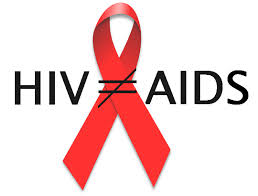
HIV/AIDS
By Sola Ogundipe
Transmission of HIV is possible through sexual intercourse, blood transfusion, injection drug users and from mother to child, during labour, birth and breastfeeding.
Pre-exposure prophylaxis (or PrEP) is when people at very high risk for HIV take HIV medicines daily to lower their chances of getting infected. PrEP is highly effective for preventing HIV if used as prescribed, but it is much less effective when not taken consistently.

AIDS SYMBOL
Daily PrEP reduces the risk of getting HIV from sex by more than 90 percent. Among people who inject drugs, it reduces the risk by more than 70 percent. Risk of getting HIV from sex can be even lower if combined with condoms and other prevention methods.
It involves HIV-negative people taking an oral pill once a day to reduce their risk of HIV infection if they come across a potential infection source.
A combination of two HIV medicines is approved for daily use as PrEP to help prevent the HIV-negative person from getting HIV from a sexual or injection-drug-using partner who’s positive.
https://newlive.vanguardngr.com/2018/11/3-reasons-most-men-cant-go-more-than-one-round-and-a-horrible-truth-about-viagra-health-expert/
Experts say PrEP must be taken for at least 7 days to reach optimal levels of protection against HIV.
On the other hand PEP is short for “Post-Exposure Prophylaxis” – an HIV prevention strategy in which HIV-negative people take anti-HIV medications after coming into contact with a potential HIV infection source to reduce their risk of HIV infection.
The rule of the thumb is that PEP must be started within 72 hours after HIV exposure. For HIV-negative people, not taking PrEP daily can lead to increased risk for HIV infection.
PrEP is only for people who are at ongoing very high risk of HIV infection. But PEP is an option for someone who thinks they’ve recently been exposed to HIV during sex or through sharing needles and works to prepare drugs.
PEP means taking antiretroviral medicines after a potential exposure to HIV to prevent becoming infected. PEP must be started within 72 hours of possible exposure to HIV. If you’re prescribed PEP, you’ll need to take it once or twice daily for 28 days.
Keep in mind that only people who are HIV negative should use PrEP or PEP. You must be tested for HIV and have a documented negative test result before starting PrEP.
PrEP and PEP are available only by prescription from a medical provider, such as a physician, nurse practitioner, or physician assistant. You will need to talk with your provider to see if PrEP or PEP is right for you.
Be aware that PrEP is more than just taking a pill every day; it also involves frequent medical visits and lab tests to check for HIV, other STIs, and any changes in kidney health.
It is essential to note that neither PrEP nor PEP protects against other STIs or pregnancy, and they are not cures for HIV.
For people who do not use condoms every time they have sex, PrEP provides an effective layer of protection against HIV. The choice to use PrEP, like the choice to use condoms, is a personal decision.
Note that PrEP does not work the same way as a vaccine. If you take PrEP daily, the presence of the medicine in your bloodstream can often stop HIV from taking hold and spreading in your body. If you do not take PrEP every day, there may not be enough medicine in your bloodstream to block the virus.
PrEP is also recommended for people who have injected drugs in the past 6 months and have shared needles or works or If you have a partner who is HIV-positive and are considering getting pregnant, talk to your doctor about PrEP if you’re not already taking it. PrEP may be an option to help protect you and your baby from getting HIV infection while you try to get pregnant, during pregnancy, or while breastfeeding.
Because PrEP involves daily medication and regular visits to a health care provider, it may not be right for everyone. And PrEP may cause side effects like nausea in some people, but these generally subside over time. These side effects aren’t life threatening.
PrEP can cause side effects like nausea in some people, but these generally subside over time. No serious side effects have been observed, and these side effects aren’t life threatening.
You must take PrEP daily for it to work. But if your risk of getting HIV infection becomes low because of changes in your life, you
Disclaimer
Comments expressed here do not reflect the opinions of Vanguard newspapers or any employee thereof.