By Nicole Johnston
Women’s health indicators for Nigeria rank among the worst in the world. Nearly 30% of its women aged 15-19 year are or have been married and more than a fifth of the women begin child-bearing in their teens. The maternal mortality ratio stands at 545 deaths per 100 000 live births nationwide but nearly double that ratio (1026) in the North-West region.
‘Brain drain”, corruption and inadequate administration are some of the major challenges of the nation’s public health sector.
Citizens with severe and chronic conditions often go undiagnosed and untreated for years, living with extreme pain. 27-year-old Habibah Ahmed, from Mayo-Belwa, Adamawa State, has been bleeding periodically for almost two decades but is still unsure what is wrong.
“I have been bleeding for the past 17 years but, because of our poor finances, nothing was done about it. Doctors in our community hospital have not been able to tell me the cause of the bleeding or come up with a solution”, Ahmed said.
“All that they do is give me medication for treatment, which has not stopped the bleeding. I experience weakness that makes life unbearable for me.”

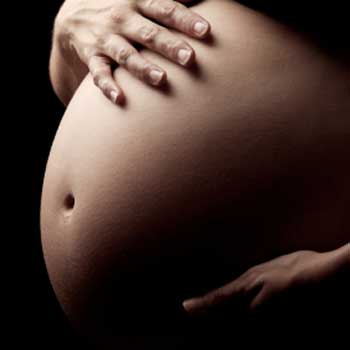
Pregnant-mother
Ahmed, a mother of two children, lost her third child. “I was about eight months pregnant and unable to go for regular antenatal because of money. One day I was feeling very weak but I assumed it was from blood loss.
“I could no longer stand on my feet, so my family decided I should be taken to hospital. It was then that the doctors discovered that my baby had been dead in my womb for about two days”.
According to Dr Clara Ejembi, a healthcare practitioner specialising in public health medicine in Zaria, Kaduna, “Maternal health care in Northern Nigeria specifically, was far from the ideal”.
Ejembi said upscaling of trained professionals in rural areas is a key step to improving maternal health care and reducing half a million maternal deaths in developing countries.
Ahmed is a victim of early child marriage – a cultural practice in the northern region of the country – and has never received adequate medical care or diagnosis because of the high costs.
“My husband has been providing money for treatment for the past 17 years but it has not been easy. It’s not even possible to go to hospital frequently because he doesn’t have much money,” she added.
In Nigeria, there is a great deal of pressure on women to bear children and, if that does not happen, they face a great deal of stigma. Saretu Luka, 49, has been trying to conceive since she got married but has not been successful.
“For the 26 years that I have been married, I have not been able to have children for my husband because of fibroid in my uterus,” she said. Luka said the problem went undiagnosed for a long time, because her community uses traditional herbal medicines, and the hospital in the area has no facilities such as scan for proper medical examination.
“People who have money usually go to the city for such treatment but most of us in this area depend on our herbal treatment methods. I thank God my family was able to raise money to for me to be treated in the city and had surgery to remove the fibroid,” she said.
Luka is just one of scores women across Nigeria who are at a disadvantage because of lack of basic health care, particularly reproductive health services.
Asabe Mohammed, 30, from Ardo-Kola, Taraba State, was taken out of school and married off when she was 14. Despite legislation outlawing child marriage, there is lack of political will to implement the law and stop young girls from becoming brides.
“I got married when I was 14 to my husband and have had six children since then. I noticed, after giving birth, that my body was weak and I was often so sick. I found it difficult to sit or even eat,” said Mohammed.
Like many child brides, Mohammed’s young body was not mature for the demands of giving birth. Her youngest child, a three-year-old, suffers from similar symptoms and was diagnosed with anaemia, a result of malaria fever. “My son has been very sick and we don’t go to hospital for treatment because we don’t have money. We rely on self-medication but when my family eventually gathered money to bring my son here, we were told that it was malaria which resulted in anaemia,” she said.
Malaria can cause anaemia and jaundice because of the loss of red blood cells. Malaria during pregnancy is a major health concern and ranks among the complications of pregnancy in Nigeria. Maternal anaemia can lead to low birth weight, which is an important contributor to infant mortality.?
Mohammed and her son sat in a hospital’s corridor while waiting for medical assistance, as there were no beds available in the hospital’s wards. “I would have loved to take my son to a better medical facility but we lack the means. My husband is a petty trader.”
Senior Policy Advisor for international campaigning and advocacy organisation ONE, Dr Francis Ohanyido, said, “No discussion of women’s health can be complete without mentioning that poverty is a central barrier to positive health outcomes for women and children.
“Women’s health is greatly weighted by poverty to yield a greater burden on women and girls’ health owing to, for example, poor feeding practices leading to malnutrition. This is even more prevalent in societies where they are disadvantaged by discrimination entrenched in socio-cultural factors.”
Ohanyido added that increased public health investments by government contribute to a healthy population which, in turn, contributes to economic growth and development. “If the country continues on a path of underinvestment in the health sector, poor health will thwart Nigeria’s efforts to become a leading global economy by 2020,”he added.
Disclaimer
Comments expressed here do not reflect the opinions of Vanguard newspapers or any employee thereof.