By Sola Ogundipe
The human liver is a wondrous organ. It has some 500 critical jobs. It works very hard but gets little credit. For your liver, that’s all in a day’s work. Each day, it makes bile, converts nutrients from diet, cleans toxins from blood, breaks down fats, alcohol and medications, controls blood sugar and hormone levels, stores iron, adjusts cholesterol levels, builds proteins, stores sugar for when you really need it and regulates hormone levels, and much more.
Your liver is the second-largest organ in your body. You can’t live a week without your liver. Your liver health may not be top of mind, but the minute it malfunctioned there wouldn’t be much else on your mind.
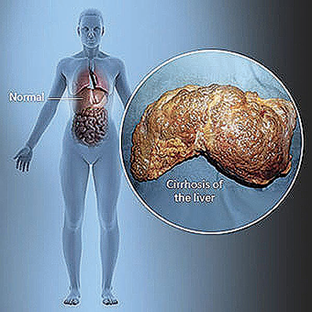
Cirrhosis in which liver cells are replaced with scar tissue, can prevent your liver from doing its critical jobs. So can nonalcoholic fatty liver disease, a fast-growing epidemic among the obese, which can lead to cirrhosis. If your liver stopped working, toxins would accumulate, you couldn’t digest your food and medications would never leave your body.
Symptoms
You shouldn’t wait for symptoms to appear to begin paying attention to the possibility of liver disease.
You don’t want to turn yellow with jaundice or feel pain in your upper right abdomen because those are signs your liver is already very sick. It is far better to stop liver disease before it gets too serious.
Exposure to toxins
While the liver is responsible for cleaning toxins from the blood, overexposure to toxins can be harmful. Read warning labels on chemicals you use around the house, and wash fruits and vegetables before consumption to ensure you’re not digesting pesticides.
Buy clean fruits and greens
Just because a supplement is labeled as “natural” doesn’t mean it’s good for you — many herbs and supplements have been associated with liver damage. Taking more than one medicine or herb that acts on the liver may compound the issue. Tell your doctor about every medication and supplement you take, even occasional or over-the-counter remedies.

Obesity risk
Obesity significantly increases your risk of developing nonalcoholic fatty liver disease. Fat in the liver can cause inflammation, which may lead to the development of fibrosis and cirrhosis. Due to the rising epidemic of obesity, the prevalence of nonalcoholic fatty liver disease is rapidly increasing and is expected to overtake hepatitis C as the leading indication for liver transplant.
Family history
Whether you or a family member has experienced liver disease, you may be more vulnerable to liver conditions. For example, hepatitis B or C are risk factors for liver cancer. If a close relative ever had a genetic liver disease, then you should watch out for symptoms. If you or an immediate family member has had liver disease, you’ll need to avoid alcohol. Make a liver enzyme test part of your annual physical.
Beware of detox products and liver cleansers
Liver cleanses have not been proven to treat existing liver damage. Though liver cleanses are packaged to claim that they’re a cure-all for daily liver health and overindulgence, they are not recommended because many are unregulated and not adequately tested in clinical trials. For overindulgence of alcohol or food, less is always best when it comes to liver health, and cleanses have not been proven to rid your body of damage from excess consumption. Many liver detoxification products are also sold as weight loss cleanses. However, there are no clinical data to support the efficacy of these cleanses. In fact, some dietary supplements can actually cause harm to the liver by leading to drug-induced injury and should thus be used with caution.
Protect your liver
There are many preventive steps you can take to protect yourself against liver disease. Take note of the following:
Minimise alcohol intake – If you think only lifelong, falling-down drunks get cirrhosis of the liver — you’re mistaken. Just four ounces a day of hard liquor for men (two for women) can begin to scar your liver. On a routine basis, men should not consume more than three drinks per day, and women should not consume more than two drinks per day to prevent the development of alcoholic liver disease.
Alcohol fatty liver which causes liver inflammation, eventual scarring and liver cancer, is a process that begins on as little as four drinks a day for men and two for women. By the time you show symptoms, your liver may be damaged beyond repair. The good news: people who stop drinking at the fatty liver stage may find their condition reversing.
Avoid weight gain – Maintain your Body Mass Index in the normal range (18 to 25) by eating healthy and exercising on a regular basis to decrease your risk of developing nonalcoholic fatty liver disease. Exercise and eat right.
Eat right – Fatty liver disease is the world’s fastest growing reason for needing a liver transplant. As with alcoholic fatty liver, it can be reversed at the “fatty” stage by cutting simple carbohydrates like bread and sugar and eating more fruits, vegetables and protein.
Don’t engage in risky behavior – To avoid the risk of acquiring viral hepatitis, do not engage in behaviors such as illicit drug use or having unprotected sex with multiple partners.
Know your risk factors – If you have the risk factors for liver disease, it’s important to go for screening, as chronic liver disease can be silent for years and go unrecognized. These include excessive alcohol use, family history of liver disease, risk factors for hepatitis C, a history of tattoos inked in an unregulated setting, etc.
Prevent hepatitis infection – Hepatitis A and B are viral diseases of the liver. While many children have now been immunized, many adults have not. Ask your doctor if you are at risk.
Practice safe sex – Hepatitis B and C can develop into chronic conditions that may eventually destroy your liver. They are transmitted by blood and other bodily fluids.
Wash your hands – Hepatitis A is spread through contact with contaminated food or water.
The liver represents the human body’s primary filtration system, converting toxins into waste products, cleansing blood, and metabolizing nutrients and medications to provide the body with some of its most important proteins. It is a fundamental part of the body’s overall regulation hence it’s paramount to keep your liver healthy by limiting overindulgence.
Ultimately, the best thing you can do to keep your liver healthy is to treat it well. Avoid frequent overconsumption of food and alcohol, maintain a healthy diet and exercise regimen, and get screened if you have liver disease risk factors. If you do have liver damage, work with your physician to come up with the healthiest and safest plan for your personal needs.
Disclaimer
Comments expressed here do not reflect the opinions of Vanguard newspapers or any employee thereof.