Lassa-fever
This week, the Nigeria Centre for Disease Control (NCDC) confirmed nine deaths and 20 cases arising from fresh outbreaks of Lassa fever in seven states of the Federation. A breakdown shows that there were three deaths out of six confirmed cases in Plateau State while Nasarawa also recorded three deaths. Two persons died in Ogun State, one death was recorded in Taraba out of the six confirmed cases even as Edo, Ondo and Rivers States recorded one confirmed case each.
On December 20, 2016, the NCDC confirmed a case, a healthcare worker who died at the Federal Medical Centre, Abeokuta.
As at January 18, 2017, the seven states were still reporting suspected, probable, and confirmed Lassa fever cases and deaths, as well as tracking of contacts for the maximum 21-day incubation period. The recurrent outbreaks highlight the risk Lassa fever continues to pose to the lives of Nigerians.
The NCDC report is the latest in a series of outbreaks recorded in recent times since the beginning of the dry season in December 2016. Previously, in 2012 and 2013, Nigeria recorded more than 2,900 Lassa fever cases in several states.
Between August 2015 and May 2016, the nation recorded one of the largest outbreaks of the scourge in its history with 273 cases including 149 deaths in 23 states of the country. In response to the disease menace, the Federal Government inaugurated the Lassa Fever Eradication Committee, to map out an effective response plan for controlling and preventing the spread, future outbreaks and reducing deaths from Lassa fever in Nigeria.
Regrettably, it can be seen that the committee is yet to be effective in its work. It is over a year that the Committee received its mandate, yet Nigeria continues to record fatalities amidst incessant Lassa fever outbreaks.
There is need for state governments to be more committed to the responsibility of giving adequate attention to issues of healthcare in general and Lassa fever in particular. Observance and improvement of community hygiene through proper refuse disposal and safe storage of food should be strictly enforced .
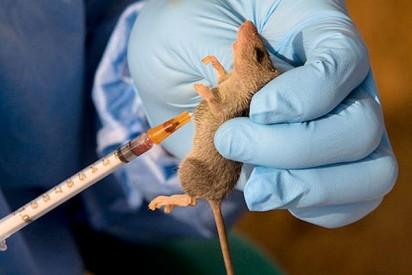
Combating the menace of Lassa fever is a collective responsibility at individual, community, state and national levels with support informed by best practices and comprehensive public hygiene standards. Strict adherence to guidelines of the World Health Organisation (WHO) is desirable with intensified public health education and enlightenment campaigns on prevention methods as well as rodent control, amongst others.
We urge the NCDC to continue guiding states by making available and enforcing new guidelines describing the systems, activities, and resources at national, state and local government levels to respond to the scale of the Lassa fever menace. The nation cannot afford this annual loss of human lives.
Disclaimer
Comments expressed here do not reflect the opinions of Vanguard newspapers or any employee thereof.