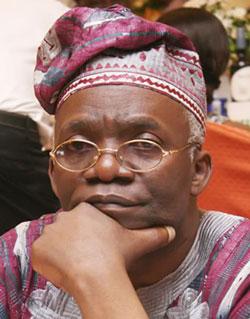
Femi Falana(SAN)
…Critical Perspectives on Nigeria’s State of Underdevelopment
Continued from lastweek
The second example is the oil-producing Sao Tome and Principe. The country’s Prime Minister Patrice Emery Trovoada spoke at a forum here in Nigeria last year where he proudly declared that revenues from oil could only be “a bonus” to the budget as the country relies principally on agriculture and tourism. He said he had no cause to lose his sleep because of fall in oil revenues. The focus of the tiny country is on human capital investments.
It is tempting to dismiss these exceptions as small countries without the huge economic problems of Nigeria. You must, however, recognise that they are small countries with big ideas about the future. They are small nations on the path of a huge progressive development.
In contrast, Nigeria is a big country with a limited vision. Oil has become a negative factor of underdevelopment of Nigeria for some reasons. First, development plans were abandoned because of the cheap source of revenues from oil. Lip service has been paid to agriculture, industrialisation and even technological and scientific advancement.
Secondly, the corruption in the Nigerian state could survive on the royalty from oils without revenues from any other source including taxes. Thirdly, investments in human capital –education and health- have declined. The more petrodollars roll into the public treasury, the more poverty exacerbates.
This has been the familiar narrative especially in the last 30 years when the ruinous Structural adjustment Programme (SAP) was imposed by the military regime of General Ibrahim Babangida and corruption became institutionalised. Corruption, a Curse Fuelled By Oil Corruption is doubtless a curse planted on the path of Nigeria to development.
The fuel for this menacing curse is provided by another curse that is the curse of the historical mismanagement of the natural resource including oil and other resources. If you take a graphic look at the profile of corruption deriving from the oil revenues in the four decades, you would see a burgeoning problem. In 1980, there was a massive outrage when the matter came up in the National Assembly that N2.8 billion of oil money was missing.
About 14 years later, the Okigbo Report said the figure of oil money not accounted for by the regime of General Babangida was over $12 billion. Another dictator, the late General Sani Abacha enriched himself to the tune of $5 million. By 2011, the nation was treated a theatre of the absurd when hundreds of billions of naira were allegedly taken by fuel subsidy merchants without importing fuel. In the latest report of the Nigeria Extractive Industries
Concluded.
Disclaimer
Comments expressed here do not reflect the opinions of Vanguard newspapers or any employee thereof.