ship
By Emmanuel Una
Oftentimes, the white attire of the navy personnel gives the impression that they do nothing other than guzzle red wine and womanise. Meanwhile, viewed closely, it can be understood that the navy plays a crucial role like any other arm of the armed forces to protect the territorial integrity of the country and, more significantly, the waterways.

ship
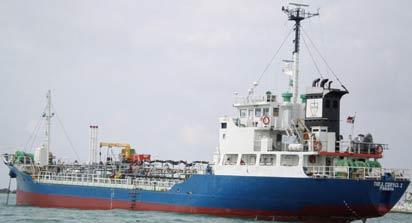
During a sea exercise, Mamaki (Clear the Criminals), organised by the Eastern Naval Command, which comprises Calabar, Ibaka, Escavos and Eket terminals, the Flag Officer Commanding (FOC), Rear Admiral Atiku Abdulkadir, said between January and October 2015, over 1,500 ships, barges and boats; carrying out illegal activities, were apprehended.
The FOC said that while some of the vessels arrested had been destroyed, others had been handed over to the police and the Nigeria Security and Civil Defense Corps for prosecution.
Arrested along with the vessels, according to him, were about 2,000 men who had also been handed over to the police and warned that any one with criminal intentions should steer clear of Nigeria’s territorial waters as the navy had beefed up its operations to stem the tide of illegal oil bunkering and sea piracy.
“We have been given express command by the Chief of the Naval Staff to train our men within a specific time and also reduce illegal activities in the Nigerian waterways, and Operation Mamaki is in line with that and we have done that in a very practical way by bringing six ships under the Eastern Naval Command to participate”, he added.
Abdulkadir said the ships that took part in the exercise included NNS Okpabana, NNS Thunder, NNS Centenary, NNS Andoni, NNS Makurdi and Nigerian Navy Helicopter 08, and pointed out that, during the exercise, over 58 ships were investigated at sea both day and night by the vessels “which shows how improved our capacities are and our preparedness to combat crime at sea, but, above that, this is to remind those who intend to carry out illegal activities to stay out of Nigerian territorial waters and look for other things to do”.
The FOC said though the exercise took a toll on government finances as each of the six ships consumed at least 495,000 litres of diesel and 40 drums of engine oil and had about 200 men on board, the essence far outweighs the cost as the bulk of the nation’s economic resources comes from the seas and, as such, everything has to be done to protect the seas.
“The cost of the exercise notwithstanding, the Chief of the Naval Staff has assured that the navy will continue to do that to ensure the county’s waterways are adequately protected all year round”.
The exercise, apart from interrogating ships, also trained men of the navy in ship maneuvering, search and rescue with helicopter, medical evacuation, ship boarding, among others, to position the men to fight crime on the seas.
Disclaimer
Comments expressed here do not reflect the opinions of Vanguard newspapers or any employee thereof.