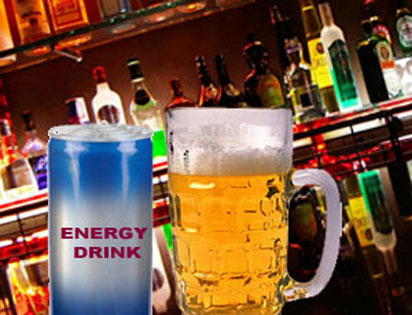
Beer
By Sola Ogundipe
Mixing alcohol and energy drinks poses a serious public health risk. The explanation is because people who drink heavily, become more intoxicated, and have more negative drinking consequences when they ingest both energy drinks and alcohol, compared to when they only use. Drinking either alcohol and energy drinks on the same day or combining the two at the same time tends to cause you to spend more time drinking—thus consuming more alcohol—than you would have without the caffeinated drinks.

Beer
The result of spending more hours drinking raises blood alcohol levels to higher peaks. But because of the stimulant effects of energy drinks, you would feel less drunk than you actually are. “This can have serious potential health impacts, for example if people don’t realize how intoxicated they actually are and decide to drive home,” Patrick said.
But a similar study conducted by the Department of Community Health at the Boston University School of Public Health found that it wasn’t necessarily the combination of alcohol and caffeine that posed a risk, but the profile of the drinkers themselves that led to negative consequences.
It appears that the consumption of caffeinated alcoholic beverages has a direct effect on increasing risk by masking intoxication and making it easier for you to consume more alcohol. It also appears that consumption of alcohol with caffeine may itself be a marker for engaging in riskier behaviour.”
Energy drinks claim to stimulate the mind and body plus provide a boost of energy but can have adverse effects when mixed with alcohol. Mixing energy drinks with alcohol as a means of getting a high without getting sleepy is potentially hazardous.
Steve Clarke, director of the College Alcohol Abuse Prevention Centre, warns against mixing these energy drinks with alcohol. Fatigue is the body’s way of saying it’s had enough to drink and it’s dangerous to continue to try to fool your body that you’re not as drunk as you really are, he said. Even though (the energy drink) has stimulants in it, the alcohol is still going to have similar effects on you.
You may feel more alert but actually the alcohol is having the same effect on you. So you might perceive that you are less impaired when in actuality you are not less impaired. High levels of caffeine can boost heart rate and blood pressure, causing palpitations, according to National Institute of Health. Mixing these drinks with alcohol further increases the risk of heart rhythm problems.
Energy drinks have a lot of stimulants in them like ginseng and taurine, while alcohol is a depressant so by mixing the two you’re sending mixed messages to your nervous system which can cause cardiac related problems. The appeal behind mixing energy drinks with alcohol is the promise of sustained rush that would allow people to go on drinking longer into the night and combat hangovers.
Alcohol makes people dehydrated, which is one of the reasons why people have hangovers, and the caffeine in the energy drinks is a diuretic which also causes people to lose water. So it makes the effects of dehydration worse. It would be more positive to alternate non-alcoholic and alcoholic beverages because it will keep you hydrated and decrease the negative effects of alcohol.
Disclaimer
Comments expressed here do not reflect the opinions of Vanguard newspapers or any employee thereof.