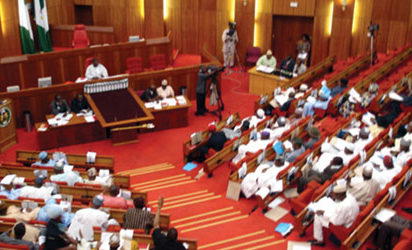
The Senate
As BATN calls for balanced regulation
By Princewill Ekwujuru
The Chairman, Senate Committee on Health, Senator Ifeanyi Okowa has said that the National Tobacco Control bill, NTCB is not meant to ban or chase away legal tobacco companies, but to regulate manufacturing, consumption and promotion of tobacco products in Nigeria. Meanwhile the British American Tobacco Nigeria, BATN has called for balanced regulation.
 According to Okowa, “It is not our intention to drive away the legal industry but to make them operate in a responsible manner for the sake of the health of our citizen as the hearing will strengthen the bill to address some issues confronting the health system adding that the bill is not seeking outright ban on smoking but to restrict and control tobacco smoking. We are not legislating for total ban.”
In his opening remarks, the senate President, Senator David Mark said the bill seeks to protect future generation of Nigerians from the devastating health, social economic and environmental consequences of tobacco use and exposure to tobacco smoke amongst others. According to him, “the tobacco regulations bill as we all know has been on the floor of the Senate for some time now and anything that has such effect on the public health deserves the right awareness and attention.”
In the same vein, the British American Tobacco Nigeria (BATN) has reiterated its support for the passage of balanced regulation for the industry. The company made its position known during the public hearing for the National Tobacco Control Bill at the National Assembly in Abuja
The Director of Corporate and Regulatory Affairs, BAT West Africa, Mr. Freddy Messanvi said that BATN has always supported the passage of a balanced and evidence based regulation of the tobacco industry in Nigeria.
According to him, “Through co-operation between BATN and regulatory agencies, we have achieved reduction in the incidence of illicit trade from over 80 per cent to around 20 per cent today”.
Messanvi pointed out that any proposed regulation must not force the legal and regulated businesses out of operation and leave the market at the mercy of
Disclaimer
Comments expressed here do not reflect the opinions of Vanguard newspapers or any employee thereof.