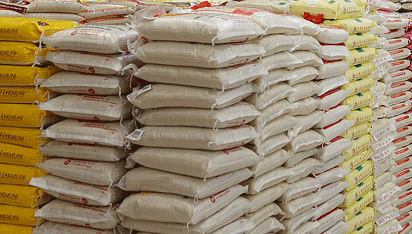
Bags of rice
Rice dealers in the country have expressed satisfaction over the National Assembly intervention on the lingering rice duty, stating that the development will no doubt augur well for the nation’s quest towards self-sufficiency in food.
Congregating under the auspices of Rice Millers, Importers and Distributors Association of Nigeria (RiMIDAN), they said the recent meeting with the House Committee on the current duty of $190 per metric ton of imported rice.
The committee intervention is with the hope to review it downwards which would definitely boost the sector. In a statement by Secretary General of RiMIDAN, Mr Tunji Owoeye. President of the association maintained that any downward review of import duty on rice would facilitate both the Backward Integration Policy as well as the agricultural Transformation Agenda of the Federal Government and National Assembly .
The association have therefore pledged to key in to the Government’s efforts towards ensuring food sufficiency, eliminating smuggling of the products as well as creating adequate value chain for economic revitalisation.
RiMIDAN opined that government’s heeding to its call would be healthy to the nation’s seaports and check the influx of smuggled rice into the country.
“ RMIDAN is thanking the House for wading into the lingering rice problems by inviting us for a presentation
“ This is highly welcome development, though long overdue as the country has lost revenue of a whooping three million tonnes to Benin Republic which is smuggled into Nigeria,” he said
Recently, the Federal Government gave approval for the implementation of the $190 duty per metric tonnes of rice, following series of appeals by the dealers that the policy was driving most of their members out of business. Over 20 vessels of legally imported rice were stuck at the high seas due to the high tariff.
RiMIDAN has been collaborating with relevant stakeholders to ensure that the rice sector operates within a conducive business environment for the good of all. Early last year, the Government imposed a new tariff on imported rice ostensibly to cut down imports, estimated to be N1billion a day, encourage local production of the commodity and offer incentives for investors in the sector. However, the measure became counter-productive as the Government lost over N300 billion revenue due to high incidence of smuggling of the commodity into the country via the borders with the neighbouring countries.
Disclaimer
Comments expressed here do not reflect the opinions of Vanguard newspapers or any employee thereof.