By NKIRUKA NNOROM
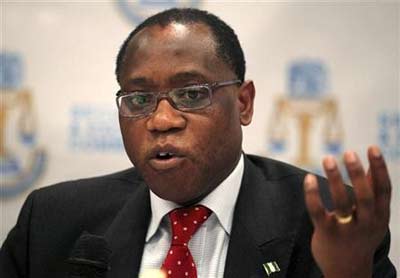
Amount of money accruable to the Federal Government, FG, in terms of duty paid from the Free Trade Zone (FTZ)’s investments since inception in the country stands at N50 billion, the Managing Director, Nigeria Export Processing Zones Authority (NEPZA), Dr. Sina Agboluaje, has said.
Agboluaje made the disclosure, yesterday, Lagos, at the second edition of the Free Trade Zone (FTZ) conference titled, “FTZ: Sustaining Future Growth.”
Giving a breakdown, he said “Investments in the Onne axis of the FTZ, which is partly government owned stands at N848 billion ($5.3 billion); investments in general free trade areas stand at N1.31 trillion ($8.2 billion), a group of upcoming free zones in some parts of the country has taken N1.33 trillion ($8.3 billion) investments, while oil and gas related free trade zones have invested a total sum of N848 billion ($5.3 billion) due to its unique nature.”
He explained that a lot of progress has been made since the last conference in 2011, saying that the aim of the conference was to industrialise the entire nation through free trade.

Minister of Trade & Investment, Olusegun Aganga
He stated that NEPZA, in conjunction with other operators in the sector are continually seeking ways to consolidate gains made so far, adding that the mission informed the theme chosen for this year’s conference.
Agboluaje noted that of all the 24 FTZs registered in the country, only three are enjoying government participation, while the remaining 21 are private sector driven, saying that the federal government as a matter of policy does not venture into investment in FTZs.
“There are many parts of the country that have Free Trade Zones, even as far as the North. In Jigawa, we have free trade zone; in Kaduna, we have free trade zone.
We have another one coming up in Kebbi. We have in the East, West and we also have in Oyo. We have in Ogun, we have in Port-Harcourt and all across the country. It is only Calabar and Kaduna that are government owned, while Onne is partly government owned. All other free trade zones are private sector led or state in participation with private sectors.
Also speaking at the event, Secretary General, African Free Trade Zone (AFZA), Mr. Chris Ndibe, said government’s assistance in advancement of credit facility to the operators of free zone s in Nigeria is needed to ease their job and boost local production, even as he called for the re-enactment of the FTZ act to reflect the current realities in the sector.
He said, “Sourcing money for export manufacturing in this country is not easy. So, government can say, ‘we are giving this credit facility for critical manufacturers inside the free zone knowing very well that these people are going to produce for export and whatever they are going to sell within the customs area will attract revenue for the government.”
Speaking further, Ndibe noted that the constitution of the board of any FTZ is germane to the success of the zone, arguing that there was need for the Minister of Trade and Investment, Mr. Olusegun Aganga, to take over the running of affairs of the zones to align its operation with international best practice.
“At the continental level, Ghana is doing it. The chairman of the board of Free Trade zone in Ghana is the Minister of Trade. In U.S, the chairman is also the Minister of Trade. It is the same thing in China. Most countries that are moving forward in free trade zone development, a lot has to do with the constitution of the board. People that know what the whole thing is all about should be appointed to the board. Politicians should not be appointed to the board to avoid unnecessary delays in decision making,” he said.
“National Assembly, the Presidency and all other government agencies concerned should intermittently look at the difficulties the operators are having, because, if you look at the free trade zone in any country, the president cannot go to sleep when the zone is having problem,” he added.
Disclaimer
Comments expressed here do not reflect the opinions of Vanguard newspapers or any employee thereof.