Helen Ovbiagele
Woman EditorQueuing up is infectious. Ever since the Buhari/Idiagbon regime introduced it into our lives many years ago, it has stuck and become a way of life all over the country. You see a queue and you feel this urge to join. Why? Just in case you’re missing out by not joining. Sometimes, we join before we find out what the queue is all about.
When I saw a long queue in the pastry section of this supermarket in Lekki recently, with busy assistants handing out bags to customers, I joined and then asked the young lady in front of me what it was all about.
“It’s to buy bread from the bakery, madam.”
“Oh, is that it? Do we now have to queue for it? We used to pick loaves from the shelves. Ah, no wonder the shelves are almost bare. I haven’t been here for a long time. Do we have to queue for any type of loaf, or these ones are special?”

“These loaves are fresh from the oven. They are very hot. They are very popular.”
“I see. Thank you.”
“You’re welcome, ma.”
After about eight minutes on the queue it was my turn to be served.
“Sorry, please is this wheat bread?” I asked the shop assistant.
“No. There’s no wheat bread.” came the curt response.
“I see. Do you have salt bread then?”
“No. This is sugar bread. Madam do you want these loaves?”
“Er, sorry again, but do you know if they’re very sweet? How high is the sugar content?”
The poor young lady was struggling to keep her cool, while shoppers behind me began to shove me aside so that they could collect the bags from the other shop assistants.
“The sugar level is not high,” someone offered behind me.
“Thanks. Okay, please give me just one loaf please. Thank you.”
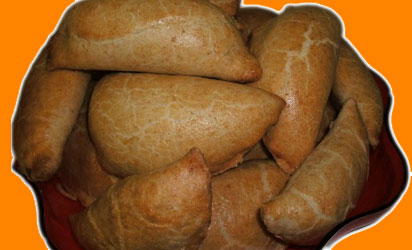
The bread was indeed very fresh, hot and soft. The type that appealed to us in our younger days, and which we would begin to devour as soon as we bought it from the bakery in the Sandgrouse market area in Lagos. Of course with maturity, one had to wait until one got home before trying this one out.
The thick and heavy dough should have alerted me that this wasn’t something to abuse my system with, but one was tempted. I couldn’t go beyond the first bite. It was so sugary that it felt like I was sucking a cube of white sugar, or eating Madeira cake. Could it be my own taste bud? No, even the young people around me felt it was too sugary for them.
I began to wonder if it was right to allow our bakeries to use any amount of sugar they like in their pastries, without alerting the customer on the label. Several sugar-related ailments are around, destroying lives, without people’s knowledge. An ailment that could have been nipped in the bud at the early stage if it was known that excess sugar was the cause, gets out of hand and becomes debilitating.
In the developed countries which we’re trying hard to emulate in health matters, it is mandatory that the ingredients and their level in any food product are clearly written on the labels, and the level approved by the regulatory body, complied with. Thus, you know precisely what you’re buying.
With all the campaign by several health organizations in Nigeria about the danger in consuming much sugar, one would think that the regulatory body for food and drinks (NAFDAC) would have long decided what’s safe for us in these products, and ensured that manufacturers comply.
Right now, in spite of numerous health talks and campaigns on the need to cut down on sugar and salt, the staple meal of many Nigerians, particularly those in the lower echelon, is sweet bread and soft drink. Everywhere you look in mid-morning, even in the most remote areas of the country, you’d find people settle down with bread and soft drink. This diet is popular because it is convenient, affordable and pleasant to consume. I’m not knocking these products because even the health experts themselves do say that we need the vitamins that they contain, to a certain extent. The problem is consuming the level of sugar and salt that is of benefit to our health.
Nigeria is a developing country in the Third world, so, we shouldn’t expect the masses to be so health-conscious that they would comply with what health experts here are telling them about their diet, especially with our dismal health delivery. Only the middle-class upwards would watch what they eat, and resolve to eat healthy. Besides, they have the means to embrace a healthy diet, which often comes at great costs to their pockets. Usually, foods that are injurious to our health are cheaper.
So, NAFDAC should come to our aid. First of all, the experts should decide how much fat, sugar and salt is good for our health in the various sizes of cakes, bread, and other pastries.
Then they should hold awareness conferences in the various state capitals for bakers and other ready food producers, to educate them on the contents of their products. Each packed food should clearly state the ingredients and their levels. Checks should be made periodically to ensure that companies comply with NAFDAC’s recommendations. Any food company that fails to do this should be penalized.
In Britain, there’s war against children’s obesity going on at present. The health authorities keep a close watch on families with obese children; giving them a diet sheet that they should use for what they eat and drink, and the safe exercises they should engage in. Health staff visit such families regularly to monitor what the children consume. If there’s no improvement in the children’s weight over a given period and it is thought that the parents are careless with their diet, such children would be taken from their parents and put into care, sometimes permanently. This is all very legal, and it’s because of the alarming increase in the number of children in Britain, who are obese, to the detriment of their health.
That’s an example of a government which is interested in, and has a responsible attitude towards the health of its citizens.
Disclaimer
Comments expressed here do not reflect the opinions of Vanguard newspapers or any employee thereof.