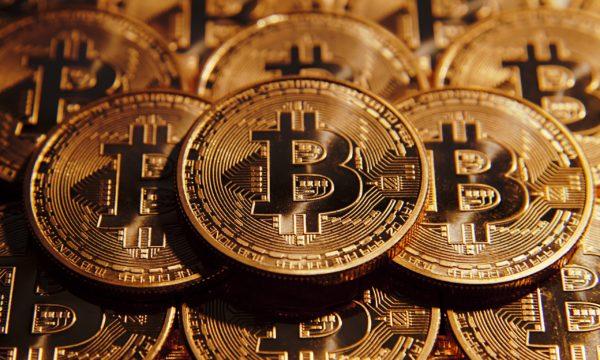
Bitcoin, the world’s first and most popular cryptocurrency, is more than just a technological marvel. It’s a cultural phenomenon that has seeped into our art, language, and even our collective imagination. Its impact stretches far beyond the realm of finance, reshaping how we think about money, power, and the future itself.
From Fringe to Folklore:
Bitcoin‘s early days were steeped in cypherpunk ideology, a blend of cryptography and anti-establishmentarianism. Its mysterious creator, Satoshi Nakamoto, became a folk hero, his identity forever kept in speculation. Memes like “Hodl” (hold on for dear life) and pizza transactions worth millions fueled a burgeoning online culture, creating a shared language and sense of belonging among early adopters.
Financial Rebellion:
At its core, Bitcoin challenges the traditional financial system, empowering individuals to take control of their own money. This resonates deeply with a generation disillusioned by economic inequality and corporate greed. Bitcoin’s rise has sparked conversations about alternative currencies, wealth distribution, and the very nature of value. It has ignited a sense of financial rebellion, with communities like “Bitcoin maximalists” advocating for its complete replacement of fiat currencies.
The Language of Crypto:
Bitcoin has spawned a whole new lexicon, injecting words like “blockchain,” “mining,” and “satoshi” into everyday vocabulary. Even mainstream media outlets now regularly discuss Bitcoin and its implications, highlighting its growing acceptance and influence. This evolving language reflects the ongoing conversation about the future of finance and technology, shaped in part by Bitcoin’s disruptive presence.
Beyond the Hype:
However, it’s important to remember that Bitcoin’s cultural impact is not without its downsides. The volatile nature of the cryptocurrency has led to financial losses and scams, casting a shadow on its legitimacy. Concerns about energy consumption and environmental impact also raise ethical questions about its long-term viability.
A Legacy in the Making:
Despite these challenges, Bitcoin’s cultural impact is undeniable. It has sparked a global conversation about decentralization, financial freedom, and the future of money. Whether it ultimately succeeds in revolutionizing the financial system or fades into a footnote of history, Bitcoin’s cultural footprints will remain, a testament to the power of disruptive ideas and the enduring human desire for change.
The cultural impact of Bitcoin is still unfolding, its ripples spreading across various aspects of our lives. As this revolutionary technology continues to evolve, it will be fascinating to see how its cultural influence shapes the world in the years to come.
Disclaimer
Comments expressed here do not reflect the opinions of Vanguard newspapers or any employee thereof.