By ALIM ABUBAKRE
WE live in volatile times. With economies all around the world caving in on them, causing ripple effects that spread throughout our increasingly global planet, investors and governments alike are frantically searching for signs of hope. And many are finding that hope in a region with its own share of rocky histories and failed economies.
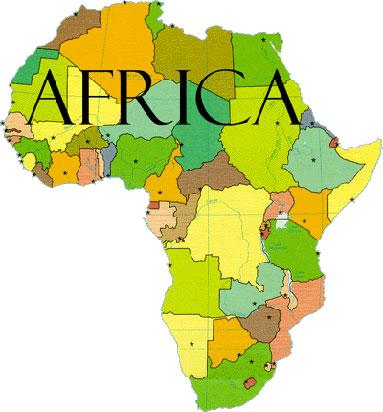
 Africa: A continent of 54 unique countries, it has certainly seen its share of upheavals. But now it is becoming a land of opportunities as it experiences the highest rates of return on investment found anywhere in the developing world and many of the fastest growing economies on the planet.
But are Africa’s private and public organisations ready for the challenges to come? “These Executive Minds” (TEXEM), is a world class executive training institution that believes they are and is prepared to help senior execs expand their skills in an effort to face the future.
TEXEM in partnership with first-class institutions provides select capacity development programmes that draw from real-world organisational scenarios taking place in the world’s top institutions and condenses these lessons into fast-paced programmes that top executives can use to soak up new skills swiftly and bring back home to implement in the developing world right away.
Their latest Executive Development Programme, “Creating Sustainable Solutions: Transformations in Governance,” takes place this April in collaboration with the University of Oxford, and like most of their offerings is not only based on real-world experiences but is tailored to confront the realities of changing corporate governance in modern-day Africa.
This ensures the course offering is far more than just generic theory; it speaks directly to the issues faced by Africa’s leading thinkers. “Executive development with leading academics and the insights of practitioners from the Transformations in Governance, Creating Sustainable Solutions programme provides participants with a new perspective and approach to their own leadership roles,” explains Dr Catlin McElroy, Programme Director of the University of Oxford’s Smith School of Enterprise and the Environment. “Participants’ engagement with the latest research and best practice cases will help prepare them for the challenges of governing in a changing world.”
And those challenges are not to be taken lightly. In countries that still struggle to keep up, the problems that plague any developing nation are rampant, with unstable electric grids, constant security challenges, atrocious road networks, rampant corruption, and institutions struggling just to stay afloat. Even Africa’s more developed nations can feel the effect of their neighbours’ struggles as spillover occurs or as they attempt to work with other governments or markets in the region.
With coming changes and forecasts of further explosive growth, these challenges must be addressed and they must be addressed fast. This is the intention of the latest EDP programme.
Alim Abubakre, the founder and director of TEXEM, notes: “Many senior executives already acknowledge that governance challenges in emerging economies hamper their ability to foster inclusive and sustained growth within organisations and nations. The issue addressed in this programme is how transformations in governance can offer sustainable solutions to the myriad of challenges that these organisations face. The programme will enhance participants’ expertise and their conceptual foundation while challenging assumptions and empowering them as leaders to shape and strengthen their organisations’ performance, with a view towards achieving national prosperity.”
The next four-day executive workshop is scheduled from April14 to April 17, 2014 at Oxford University, an elite institution of higher learning known throughout the international community. Participants will access some of the unique lessons and insights offered by TEXEM through a range of important topics, including Strategic Management, Adaptive Leadership, Public Sector Innovation, Principled Negotiation, Political Innovation, and Sustainability.
Each participant will walk away with a certificate from the University of Oxford, Smith School of Enterprise and Environment and membership in a new community of invaluable contacts – liked-minded executives spanning the African continent and the world at large.
To be concluded
Disclaimer
Comments expressed here do not reflect the opinions of Vanguard newspapers or any employee thereof.