Living in denial with loans and unimplemented budgets, by Adekunle Adekoya
ON October 1, the President made a broadcast to the nation about the state of the Nigerian state. In summary, the president said that “reforms are over, foundation laid for prosperity.” The president’s assertions have never been interrogated, except for sporadic attacks from leading opposition figures about specific items. I want to ask: What was […]








Who bewitched you oh Southern Governors?
NOTHING typifies the fault lines in Nigeria today than the boldness with which the governors of the north pursue sectional and sheepishness with which southern governors go about with their tails tucked between their wobbly legs.

Need to placate the gods of Nigeria
NIGERIA should seek to be included in the Guinness Book of Records as the only country that has defeated all kinds of communications – telephone, radio wave communications, GSM.

How sound are Nigerian banks?
In the report titled ‘Banks bad loans rise above CBN limit’, the report which was attributed to Bloomberg, the global rating agency, also quoted Mr Emefiele’s statement in which he tried to re-assure Nigerians and the international community that all is well. According to the CBN Governor: “The Nigerian financial system remains stable and resilient in spite of prevailing macroeconomic challenges.”
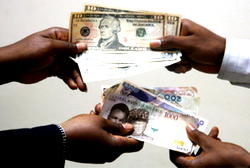
Naira/Dollar atm cards and inexplicable profligacy
ONE cannot be certain whether Nigerians should celebrate or decry the recent decision by the Central Bank to reduce the existing annual limit from $150,000 to $50,000, per person on usage of Naira/dollar debit cards abroad.

Rescuing our history from colonised minds
NIGERIA witnessed a rare occurrence last Thursday, October 20. The 40th Oba of Benin, Omo n’Oba n’Edo Uku Akpolokpolo, Oba Ewuare II was crowned. The last coronation which is steeped in rich history and tradition, was 37 years ago.