
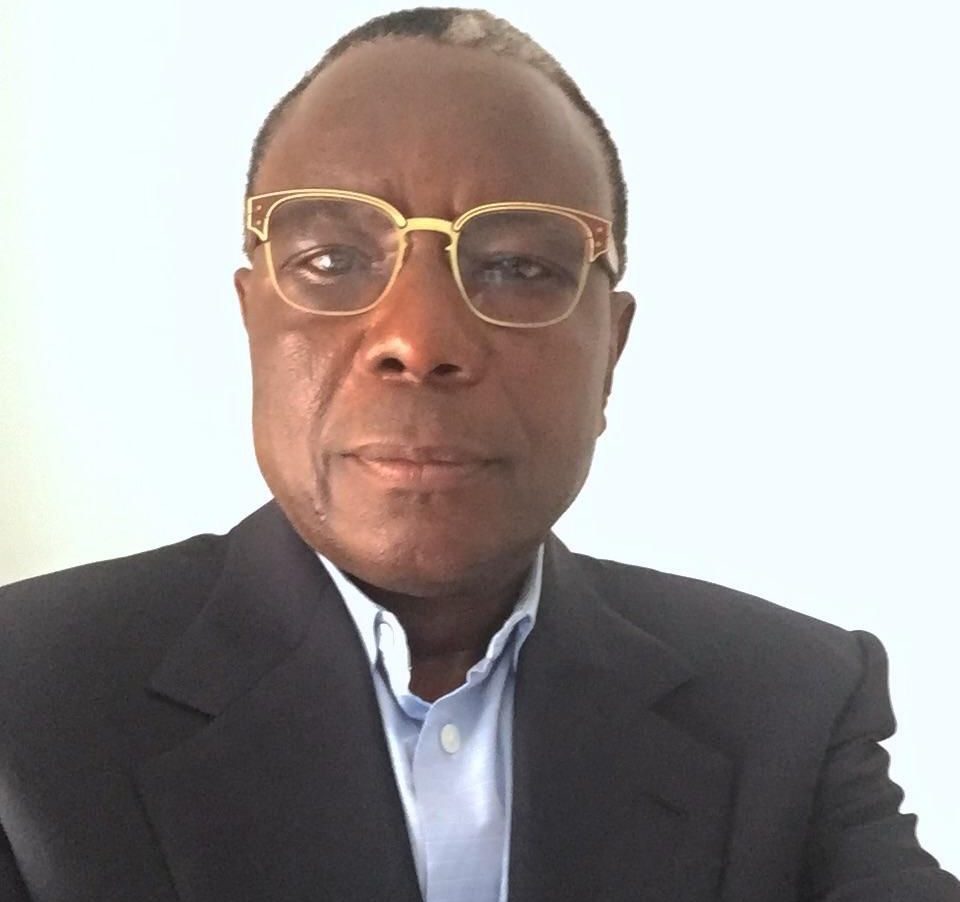
Philip Obazee
By Philip Obazee
The Ballot Is Also an Examination
A campaign season is not only a contest among politicians. Properly understood, it is a public examination. Candidates seek power; citizens should examine whether they understand what power is for. Nigeria is now moving through a consequential electoral cycle: INEC has published a revised timetable for the 2027 general elections and the rescheduled Osun governorship election, which means today’s political conversations are not abstract. They are part of the process through which citizens decide who should be trusted with public authority.
That authority must be interrogated. Too many Nigerian campaigns have been built on emotional identification rather than public reasoning: “our son,” “our party,” “our religion,” “our region,” “our turn,” “our grievance,” “our movement.” These may mobilize crowds, but they do not build electricity grids, secure farms, repair schools, discipline budgets, modernize ports, reduce food inflation, improve public health, or create productive employment.
The central issue is development. But development must be rescued from vague speech. It cannot mean every candidate’s favorite slogan. It cannot mean the commissioning of an isolated road while the economy remains structurally weak. It cannot mean a governor builds a gate, paints a roundabout, distributes motorcycles, and calls it transformation. It cannot mean a president announces reform while households cannot yet feel the gains. The World Bank’s April 2026 Nigeria Development Update states the tension directly: Nigeria has made meaningful progress in restoring macroeconomic stability, but household incomes have not fully recovered and poverty remains high.
That is the backdrop for the voter’s questions. The real issue is not whether a candidate can promise development. Every candidate can. The issue is whether a candidate can define it, cost it, sequence it, fund it, staff it, measure it, defend it, and deliver it.
Why Ordinary Voters Need Hard Questions
Hard questions are not elitist. They are democratic. Democracy fails when citizens are given emotion and denied information. It improves when citizens demand clarity before surrendering power.
Nigeria’s development problems are visible in daily life. World Bank country data list Nigeria’s life expectancy at birth at 55 years in 2024, a poverty headcount ratio of 41.8 percent at the $3.00-a-day line in 2022, a Human Capital Index value of 0.361 in 2020, and electricity access of 61.2 percent in 2023. These are not partisan numbers; they are measures of national pressure.
The education crisis is equally severe. UNICEF reports that about 10.5 million Nigerian children aged 5–14 are not in school, that only 61 percent of children aged 6–11 regularly attend primary school, and that only 35.6 percent of children aged 36–59 months receive early childhood education.
Food, prices, and household survival also matter. The Central Bank of Nigeria’s inflation table for April 2026 shows headline inflation at 15.69 percent and food inflation at 16.06 percent. For ordinary households, these figures are not statistical abstractions. They show up in garri, rice, transport fares, school fees, rent, medicine, diesel, and the daily arithmetic of survival.
Yet Nigeria is not condemned to failure. Its population, enterprise culture, diaspora, energy resources, agricultural base, regional trade position, and creative capacity remain immense. The African Continental Free Trade Area could raise Africa’s regional income by 7 percent, or about $450 billion, and lift 30 million people out of extreme poverty by 2035 if fully implemented. Nigeria could benefit greatly from such continental integration, but only if it produces competitively, moves goods efficiently, and governs predictably.
That is why voters need questions. Not insults. Not worship. Questions.
A Crude Verification Metric: The 20-Point Voter Test
When a candidate answers any development question, voters can apply a simple 20-point test. It is crude, but useful.
Score each answer from 0 to 2 on ten criteria:
- Specificity: Does the answer name the exact problem and target, or does it hide behind slogans?
- Baseline: Does the candidate know the current number, condition, or scale of the problem?
- Legal authority: Does the office being sought actually have power to act on the issue?
- Financing: Does the candidate explain how the plan will be paid for?
- Institutional assignment: Does the answer identify which ministry, agency, department, or official will execute it?
- Sequencing: Does the answer explain what happens first, second, and third?
- Timeline: Does the candidate give measurable targets for 6 months, 1 year, 2 years, and 4 years?
- Risk awareness: Does the answer admit obstacles, trade-offs, and possible failure points?
- Public verification: Can citizens independently check whether the promise is being fulfilled?
- Record consistency: Is the promise consistent with the candidate’s past conduct, competence, and alliances?
A score of 0–5 means the answer is mostly noise. A score of 6–10 means the candidate has intentions but not a credible plan. A score of 11–15 means the answer deserves further scrutiny. A score of 16–20 means the candidate has given a serious, testable answer. This metric does not tell anyone whom to vote for. It only helps voters separate rhetoric from capacity.
101 Questions Every Nigerian Should Ask a Candidate
A. Questions About Development Itself
- What exactly do you mean by development?
- Which three measurable development outcomes would define success for your administration?
- What is the first binding constraint you would address: power, security, food, jobs, debt, education, healthcare, or something else?
- What indicators should citizens use to judge your performance after one year?
- What indicators should citizens use to judge your performance after four years?
- Which campaign promise are you willing to abandon if the fiscal facts show it is unrealistic?
- What will you stop doing in government so that resources can be redirected to higher value priorities?
- What sacrifice are you asking citizens to make, and what public gain will justify that sacrifice?
B. Questions About Authority, Federalism, and Implementation
- What powers does the office you seek actually give you?
- Which of your promises require federal cooperation?
- Which of your promises require state cooperation?
- Which of your promises require local government cooperation?
- What laws or regulations must change for your agenda to work?
- Which ministry, department, or agency will be responsible for tracking your development promises?
- Will you publish quarterly progress reports with numbers citizens can inspect?
- Who in your administration will be publicly accountable if your top promises fail?
C. Questions About Electricity
- What is the present average daily electricity supply in the areas you seek to govern?
- What is your target for average daily electricity supply after four years?
- What is your plan for metering households and businesses?
- How will you reduce losses in electricity distribution?
- What is your plan for reliable power to hospitals, schools, water systems, and security facilities?
- What is your industrial power plan for factories, clusters, markets, and agro-processing zones?
- Where will renewable mini-grids be used, and who will finance them?
- How will you balance cost-reflective tariffs with protection for poor households?
- What is the timeline, cost, and financing source for your electricity plan?
D. Questions About Security
- What are the three most serious security threats in the areas you seek to govern?
- Which local governments, roads, schools, farms, and markets are most exposed?
- What data will you publish on kidnapping, banditry, robbery, communal violence, and other security threats?
- What is your target response time for emergency security incidents?
- How will you coordinate with police, military, intelligence, civil defence, and local security structures?
- How will community security groups be regulated so that they do not become abusive or criminal?
- What is your plan to protect schools?
- What is your plan to protect farmers and rural roads?
- How will you improve investigation and prosecution, not just arrest announcements?
- What is your plan for displaced persons, victims, widows, orphans, and destroyed communities?
E. Questions About Food and Agriculture
- What are the most important food crops in your area, and what are their current production gaps?
- What is your plan to reduce post-harvest losses?
- Which rural roads will you prioritize because they connect farms to markets?
- What is your irrigation plan?
- What is your plan for storage, cold chains, and commodity aggregation?
- How will farmers access fertilizer, improved seeds, extension services, and mechanization without political capture?
- What is your plan for land tenure and secure access to farmland?
- How will you address farmer-herder conflict or other land-use conflicts?
- Which agricultural products will be processed locally rather than exported in raw form?
- How will your food policy reduce household food costs?
F. Questions About Education and Human Capital
- How many children are currently out of school in the area you seek to govern?
- What is your plan to bring them back into school?
- What is your target for literacy and numeracy by age ten?
- How will you monitor teacher attendance?
- How will you improve teacher training, pay discipline, and classroom accountability?
- What is your plan for school safety?
- How will you expand early childhood education?
- How will you support girls’ education in communities where poverty, insecurity, or custom restrict attendance?
- What is your plan for technical and vocational education?
- How will polytechnics and technical colleges be linked to industry?
- How will universities become engines of research, enterprise, and problem-solving rather than certificate factories?
- What education data will you publish annually?
G. Questions About Healthcare
- How many primary healthcare centers are functional today?
- What does “functional” mean in your health plan: staff, drugs, power, water, equipment, opening hours, or all of these?
- What is your plan to reduce maternal deaths?
- What is your plan to reduce infant and child deaths?
- How will you ensure drug availability in public facilities?
- How will you retain doctors, nurses, midwives, pharmacists, laboratory scientists, and community health workers?
- What is your ambulance and emergency referral plan?
- What is your vaccination and child nutrition plan?
- How will health insurance or public health financing protect poor households from catastrophic medical bills?
- What is your plan for mental health and drug-abuse treatment?
H. Questions About Jobs, Enterprise, and Industry
- What are the three most promising productive sectors in the area you seek to govern?
- Why those sectors, and what evidence supports your choice?
- How will you reduce the cost of doing business?
- What taxes, levies, permits, or regulatory burdens will you simplify?
- How will you support small businesses without turning credit programs into political patronage?
- What is your apprenticeship and skills placement plan?
- What manufacturing clusters or enterprise zones will you support?
- How will those clusters get power, roads, water, security, and finance?
- What is your export strategy?
- What is your plan for traders, artisans, transport workers, and informal-sector operators?
- What is your plan for the digital economy, creative economy, and technology-enabled services?
- How will you measure job creation honestly, without counting temporary political appointments as development?
I. Questions About Infrastructure, Cities, and Housing
- Which roads are your highest economic priority, and why?
- What maintenance plan will prevent new roads from failing?
- What is your water supply plan?
- What is your sanitation plan?
- What is your drainage and flood-control plan?
- How will you manage waste collection and disposal?
- What is your urban transport plan?
- How will you reduce traffic congestion in major cities?
- What is your housing plan for low-income and working families?
- How will land titles be made faster, cheaper, and more transparent?
- How will infrastructure projects be selected: political visibility or economic return?
J. Questions About Public Finance
- What is the current revenue position of the government you want to lead or influence?
- What share of revenue goes to salaries, debt service, overhead, and capital expenditure?
- What is your debt plan?
- Which projects justify borrowing, and which do not?
- How will you increase revenue without crushing poor households and small businesses?
- What wasteful expenditures will you cut?
- Will all major procurement contracts be published?
- How will citizens know whether project costs are inflated?
- What will you do if oil revenue, federal allocation, or tax revenue falls below expectation?
- How will you protect vulnerable households while maintaining fiscal discipline?
- What failure would make you admit publicly that your development strategy is not working?
How Voters Should Listen to the Answers
The voter’s task is not to embarrass candidates. It is to clarify competence. A candidate who cannot answer every question perfectly may still be serious. No one person has every technical detail in mind. But a serious candidate will show structure. He will know the difference between a problem and a slogan. She will know the difference between ambition and authority. He will admit what belongs to the federal government, what belongs to the state, and what belongs to local government. She will know that promises require budgets. He will understand that every policy has trade-offs. She will welcome measurement rather than fear it.
The unserious candidate will do something else. He will insult the questioner. She will change the subject. He will blame all failure on opponents. She will promise everything to everyone. He will speak only in emotional categories. She will say “God will do it” where planning is required. He will announce projects without costs. She will confuse empowerment with handouts. He will claim that leadership is simply about “political will,” as if willpower alone can replace institutions, engineers, teachers, doctors, revenue, security, procurement, and maintenance.
Citizens should listen for verbs. Build. Repair. Measure. Publish. Finance. Train. Audit. Secure. Maintain. Prosecute. Digitize. Coordinate. Words like these are closer to development than the usual campaign fog.
Citizens should also listen for nouns. Budget. Timeline. Agency. Contractor. Baseline. Indicator. Revenue. Procurement. Law. School. Clinic. Feeder. Transformer. Road. Farm. Market. Port. Court. Teacher. Nurse. Megawatt. Hectare. Household. These nouns force politics to touch reality.
The Final Standard
The real question before Nigerian voters is not whether candidates love Nigeria. Every candidate will say yes. The question is whether they understand Nigeria well enough to govern it.
Development is not noise. It is not tribal comfort. It is not party worship. It is not the periodic redistribution of public money to political clients. Development is the patient expansion of national capability: power in homes and factories, safety on farms and roads, children in school and learning, clinics that function, food that is affordable, cities that work, courts that decide, budgets that discipline, and public offices that serve rather than prey.
Before Nigerians vote, they should ask questions. Hard questions. Repeated questions. Public questions. Follow-up questions.
Power should not be begged. It should be examined.
_________
Philip Obazee retired as a managing director and head of derivatives from Macquarie Asset Management – a global asset management company with an office in Philadelphia, PA, USA, and currently, he is the founder and chief executive officer of Polymetrics Americas Research.
Disclaimer
Comments expressed here do not reflect the opinions of Vanguard newspapers or any employee thereof.