
By Jimoh Babatunde
As delegates converge on New York for the 70th session of the United Nations Commission on the Status of Women (CSW), conversations around gender equity, climate leadership and inclusive development are taking centre stage.
One of the voices pushing for a more collaborative approach is Lagos-born product leader and social innovator, Chaste Inegbedion.
Based in Oklahoma in the United States, Inegbedion has built a career that cuts across technology, civic innovation and global advocacy, with professional stints at organisations such as BudgIT, AT&T, Amazon and Paycom.
He holds an Inclusive Master’s degree in Product Management from the University of Washington and is the founder of the Semaform Foundation, an initiative supporting women’s advancement through technology, health and education across Africa and the diaspora.
An Amazon bestselling author of The Period Passport and Bomesi, Inegbedion is also the force behind ConcordeApp, a Microsoft for Startups-backed platform designed to digitise trust and strengthen institutional collaboration at major global convenings.
Ahead of the Handshake Summit and Awards taking place on the sidelines of CSW70, he speaks with Vanguard about women’s leadership in climate action, the role of technology in closing gender gaps, and why he believes the next phase of global equity requires active partnership between men and women.
Many development experts now acknowledge that women are central to community resilience. From your experience, how does this leadership manifest at the grassroots level?
Inegbedion:
Through my work with the Semaform Foundation and Sanicle events, I have watched women transform from passive recipients of aid into active architects of policy. In the communities we serve, whether in Lagos or in the diaspora, they are integrating health and dignity into the industrial sustainability conversation. They are not waiting for permission. They are building.
The list of honourees at the Handshake Summit reflects prominent women leaders from across Africa and the diaspora. What significance does their presence bring to the gathering scheduled for March 10?
Inegbedion:
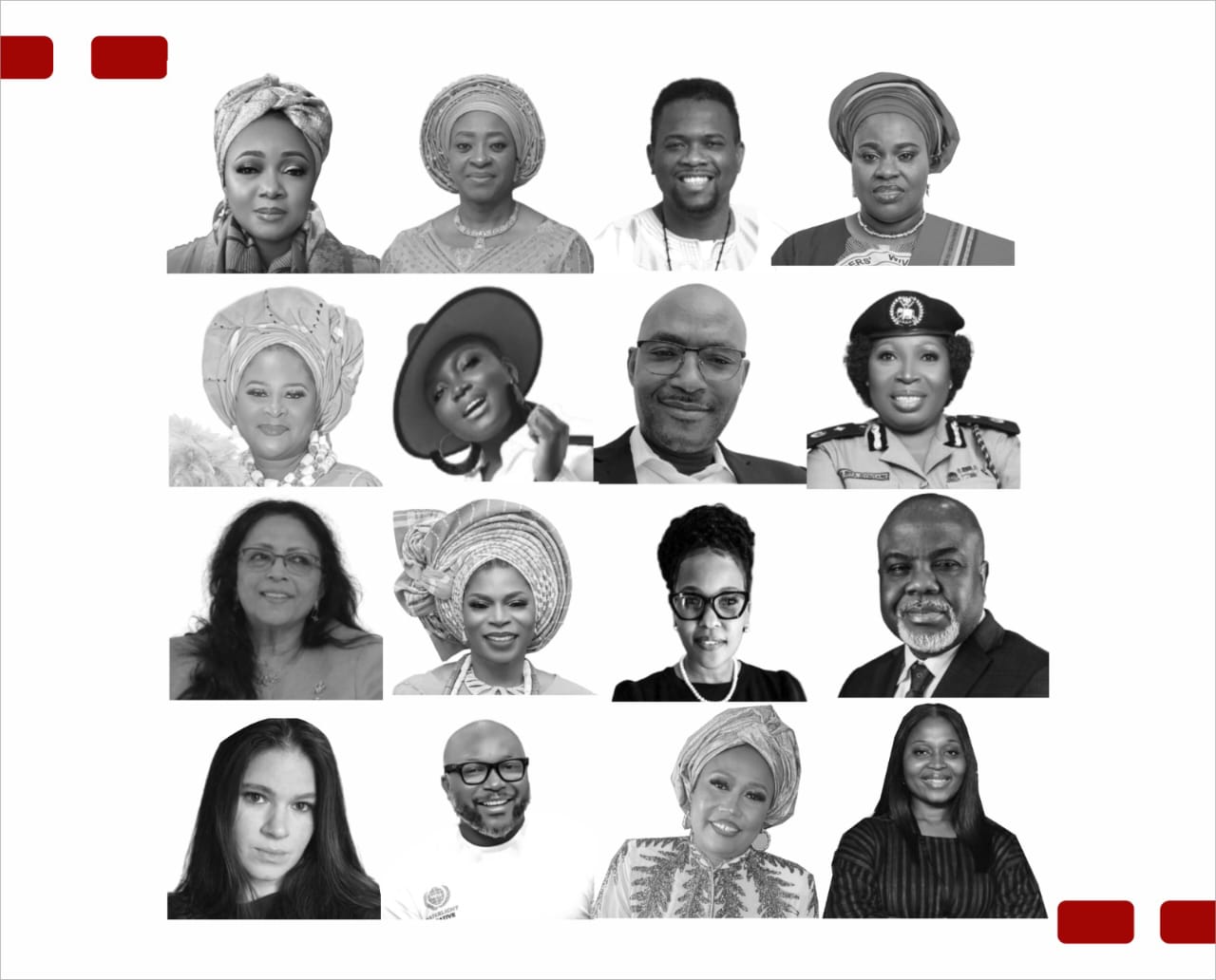
It means the world is finally paying attention to who has been doing the work all along. When Hajiya Imaan Sulaiman-Ibrahim, Nigeria’s Honourable Minister of Women Affairs, sits in that room, she brings the weight of policy and the voice of millions of Nigerian women who deserve to be seen on the global stage.
When the President of Police Officers’ Wives Association, POWA, and wife of the Inspector General of Police, Mrs Mutiat Olufunmilola Disu, chair of the handshake summit & awards, she signals that women’s leadership is not a side conversation. It is central to governance.
Ambassador Amara Sheikh Mohammed Sowa represents Sierra Leone with dignity and decades of diplomatic wisdom. Dr Padmini Murthy brings the perspective of the American Medical Women’s Association, reminding us that health equity is gender equity.
Dr Kingsley Ighobor of the United Nations ensures that what we discuss connects to the broader UN mandate.
We also have Hawa Taylor Kamara Diallo, Founder of the IBTK Foundation; DCP Dr Oki Emsen Rita Oyintare; Tolani Alli of the World Bank; Her Excellency Ambassador Erelu Ngozi Abeni Adeleke, Wife of the Governor of Osun State; Ambassador Billy Umar Garba of Platinum View Inc; and Mamotake Matekane of MGC Matekane Group, Lesotho.
Crystal Renouf will be delivering the keynote address.
These are not symbolic seats. These are women who have built, led, and sacrificed. Having them together in one room, on one platform, sends a message to the next generation: you belong here. Your work matters. And we are building systems to make sure your contributions are no longer invisible.
The Handshake Summit exists to verify, celebrate, and fund that work. When these women speak, we listen. When they lead, we follow. That is what gender partnership looks like.
Your summit will also host an executive panel on AI-driven climate leadership. What key issues will that discussion address?
Inegbedion:
We are examining pathways to strengthen institutional trust and amplify women’s voices in decision-making ecosystems. I will be moderating an incredible group: Chantel Ross Francois, Charlene Nichols, Jessica Sophia Wong, Dr Bishnu Maya Pariyar, Joy Osomiame-O, Dylan Oriundo, Lisa Franceour, Kome Igbogidi, Richard Ojuri, and Mananeh Bernadette Thoronka.
Each of them brings hand lived experience and professional expertise to the question of how women’s leadership can be funded, verified, and scaled. We also have a fireside chat titled “The Human Residue” featuring Tera Carissa Hodges of LR Global Media Group and Elley Cheng of Useful Arts, diving deeper into the invisible labour and relational intelligence that women bring to every room they enter.
In your view, how are women reshaping the global conversation around sustainable development?
Inegbedion:
They are shifting the definition away from purely environmental metrics toward something I call Relationship Intelligence. Sustainable development today must include menstrual equity and economic inclusion. You cannot talk seriously about a green future if you are ignoring the health and dignity of half the population.
That is why Semaform focuses on education and health as entry points to climate action. You have to start with the body before you can save the planet.
Despite their contributions, many argue that women’s work in sustainability remains underreported and underfunded. Why does this gap persist?
Inegbedion:
The data gap is real. Corporate systems are built to track hardware, not human residue, the social impact that does not fit neatly into a spreadsheet. That is why we are also building tools like ConcordeApp to digitise that impact.
Being Microsoft for Startups backed and featured by Nasdaq has given us the credibility to sit at tables where these conversations happen. When we attend events like the World Bank Spring Meetings, we see the trust deficit in funding women-led green initiatives firsthand. The platform provides the verified connections and measurable ROI that help women break through those financial barriers.
What structural challenges continue to limit women’s participation in green innovation and climate leadership?
Inegbedion:
Access to capital and access to technical seats at the table remain the biggest hurdles. Even with my background in Computer Engineering and Product Management, I see how women with similar skills are blocked by old guard networks. It is the same dynamic whether you are at a COP30 side event or a WEF panel. Although the faces change, the gatekeepers often do not. So we added a vendor marketplace on ConcordeApp to create a direct channel for women-led enterprises to connect with government and corporate buyers, bypassing the old boys’ club entirely.
From your experience working across Africa and the diaspora, how does empowering women accelerate development outcomes?
Inegbedion:
Empowerment is a force multiplier. When you give a woman the tools, whether it is the AI training or financial backing through Semaform Foundation’s advancement programs, she scales that impact across her entire community. Both on the continent and in the diaspora. She does not just lift herself. She lifts everyone around her.
Some analysts argue that environmental movements historically sidelined women’s voices. Why did that happen?
Inegbedion:
The movement prioritised hard infrastructure, think pipelines and grids, over the social infrastructure that women lead, like community health and education. My training at the Columbia Climate School reinforced something I had long suspected: we must merge these two if we want a resilient future. You cannot build a sustainable world on hardware alone.
Across sectors, women are increasingly shaping innovation and entrepreneurship. How are these examples inspiring the next generation?
Inegbedion:
They are leading by doing. By creating platforms like (Sanicle, Cloud), women are proving that femtech is a climate and sustainability play. It is not a niche, it is foundational. This inspires the next crop of women to take their careers into their own hands. At UNGA and WEF, I make it a point to highlight these founders. They deserve to be seen.
How do issues of environmental sustainability intersect with social and political equity?
Inegbedion:
Everything is a handshake. You cannot have climate stability without political equity. My work at Semaform shows that when you address women’s health, as we advocate by hosting side events, you stabilise women’s economic output, which in turn protects the community’s environment. This is the message I bring to panels at the World Bank and the UN. It is all connected.
In practical terms, can technology drive the kind of systemic change required to address these issues?
Inegbedion:
We need what I call Institutional Intelligence. By using AI transformer models, we can amplify marginalised voices by making their impact data-driven and undeniable. At ConcordeApp, we are building the infrastructure for that. When you can measure the ROI of a connection made at a summit, you can no longer ignore the person who made it. The community feature on our platform ensures that these connections are not one-off moments but ongoing relationships.
You have described women’s resilience as a “climate hack.” What do you mean by that?
Inegbedion:
Women are natural practitioners of SCRUM and project management in their daily lives. Think about it. Their ability to iterate and survive with limited resources is the ultimate climate hack for local adaptation. It is a lesson in efficiency that every corporate leader at Davos could learn from.
Why do you believe female leadership is indispensable in addressing the global climate crisis?
Inegbedion:
Because women often prioritise the collective over the individual. Solving a crisis requires a gender partnership where the 97% of men who want to help actually step
Disclaimer
Comments expressed here do not reflect the opinions of Vanguard newspapers or any employee thereof.