
By Ibrahim Hassan-Wuyo
WASHINGTON, D.C. — The Global Peace Foundation (GPF) and prominent Nigerian faith leaders have called for urgent, coordinated efforts to address escalating violence and insecurity threatening Nigeria’s stability and unity.
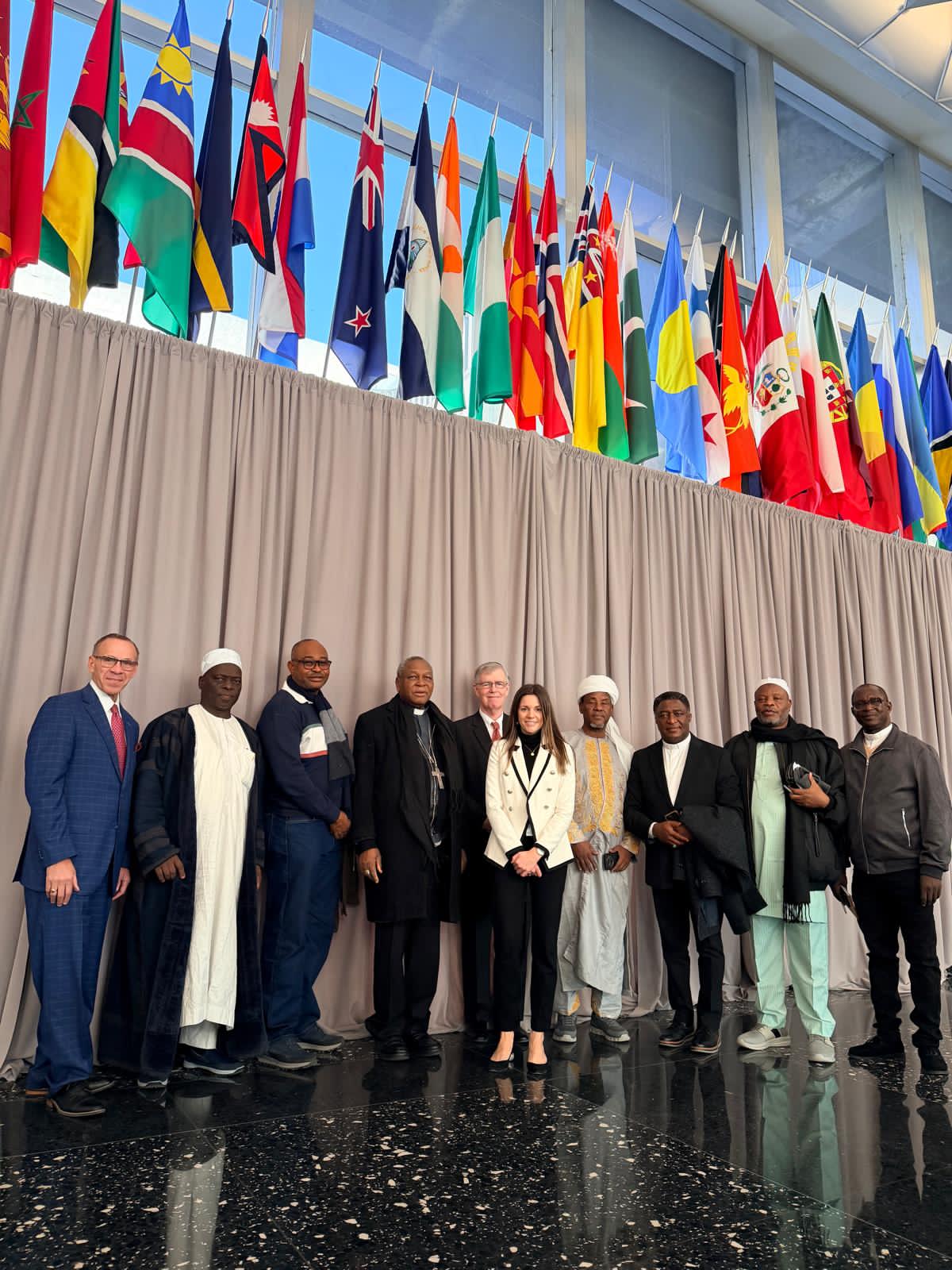
The appeal was made at a high-level forum held in February at Pepperdine University, Washington, D.C., which brought together senior Christian, Muslim, and traditional leaders from across Nigeria to discuss practical strategies for confronting rising insecurity nationwide and in the wider African region.
Rev. Fr. Canice Chinyeaka Enyiaka, Director of African Peace Initiative and Engagement at GPF, described religious faith as a unifying force critical to rebuilding fractured communities. “Religious faith is a powerful force in Nigeria, and with a united voice, we can bring positive change to the country,” he said, highlighting faith leaders’ moral authority and grassroots trust as indispensable tools in addressing complex security challenges.
Participants painted a grim picture of the nation’s crisis, noting that armed gangs, insurgents, and terrorist groups control several rural communities, kidnap schoolchildren, destroy public infrastructure, and displace millions. Since the Boko Haram insurgency began in 2009, over 40,000 lives have been lost, with many displaced persons still living in overcrowded camps and facing renewed threats when attempting to return home.
Cardinal John Onaiyekan criticized self-inflicted challenges, emphasizing the need for moral leadership alongside effective governance. “Leaders claim to be religious, yet neglect the core responsibilities of office. Moral leadership must guide practical governance if we hope to restore peace and stability,” he said.
Rev. Yunusa Nmadu Jnr, former General Secretary of ECWA, stressed interfaith collaboration, advocating joint worship engagements, shared community initiatives, and moral education to foster trust and coexistence. “I shouldn’t be afraid to attend a service at a mosque,” he said.
Sheikh Muhammad Abubakar Sadeeq highlighted the crucial role of women and youth in sustaining peace efforts, warning that neglecting young people leaves fertile ground for extremist recruitment. “Once youth are committed to peace, terrorists and bandits will have fewer avenues to destabilize communities,” he stated.
The forum also raised alarm over the near collapse of state authority in parts of rural Nigeria, where armed groups reportedly extort taxes, confiscate harvests, conduct sham elections, and attempt to impose parallel governance structures, leaving millions displaced with limited prospects of safe return.
Dr. Paul Murray, GPF’s International Vice President for Religious Freedom Initiatives, emphasized bridging local faith leadership with global policy frameworks. “Governments can negotiate policy, but faith leaders shape conscience, credibility, and community trust. Without their voices, any long-term strategy will remain incomplete,” he said.
Ambassador Sam Brownback, former U.S. Ambassador-at-Large for International Religious Freedom, echoed the urgency, warning that Nigeria risks further instability without decisive action.
The Washington meeting followed a December 9, 2025, forum in Abuja convened by GPF Nigeria, where faith and traditional leaders challenged political authorities over failures to guarantee security and uphold the rule of law. The Abuja communique called for a Joint Interfaith Advocacy Committee, quarterly consultative engagements, and systematic documentation of violence and hate speech as part of a coordinated national peacebuilding framework.
Distinguished participants at the forum included Cardinal John Onaiyekan; His Royal Highness Alhaji (Dr.) Hassan Attahiru, Emir of Bungudu, Zamfara State; Rev. Joseph John Hayab, Chairman of Northern Christians and GPF Nigeria Country Director; Sheikh Muhammad Abubakar Sadeeq, Imam of the National Mosque; Imam Fuad Adeyemi, Chief Imam of the Abrahamic Mission; Rev. Yunusa Nmadu Jnr of Christian Solidarity Worldwide Nigeria; and Rev. Fr. Canice Chinyeaka Enyiaka.
The faith leaders concluded that only sustained interfaith cooperation, moral leadership, and grassroots engagement can reverse Nigeria’s growing insecurity and preserve national unity.
Disclaimer
Comments expressed here do not reflect the opinions of Vanguard newspapers or any employee thereof.