
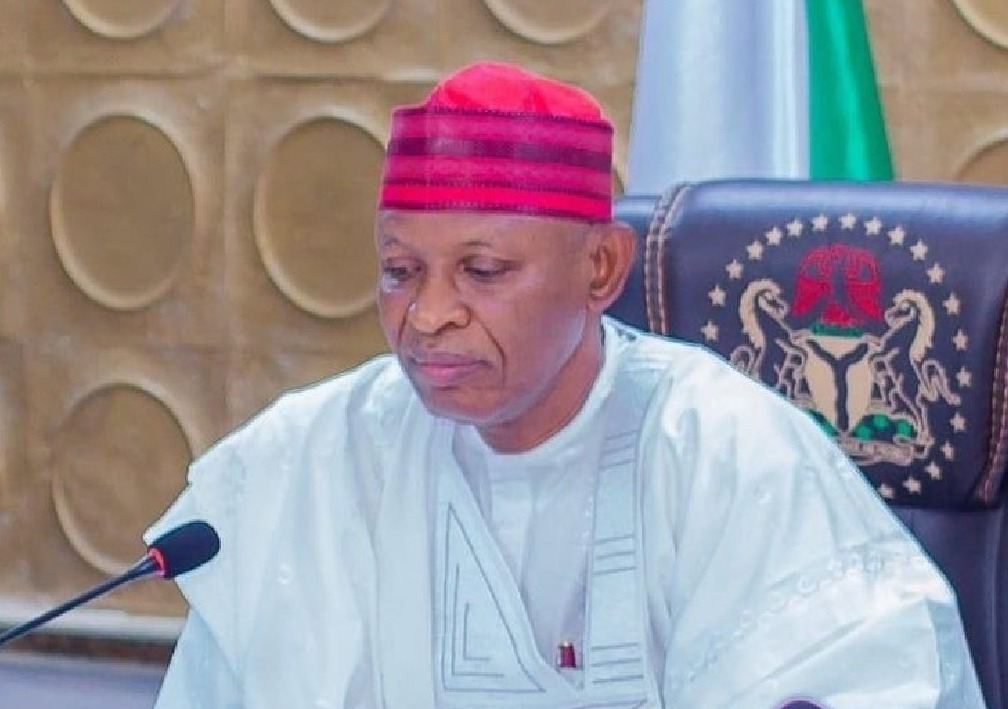
Governor Abba Kabir Yusuf of Kano State
By Bashir Bello
KANO – The United Nations Children’s Fund, UNICEF, has called on the Kano State government to prioritise child-sensitive budgeting as a core strategy in meeting the needs of children across the state.
This was as it called on the state government to mandate child-sensitive budgeting across all it Ministries, Departments and Agencies, MDAs, by making it a standard item in the Mid Term Expenditure Framework, MTEF submissions and annual budgets.
The UNICEF Chief of Field Office in Kano, Rahama Farah made the call during a media dialogue it organized in collaboration with the Kano State Ministry of Planning and Budget on Child sensitive budgeting.
Farah said Child-sensitive budgeting remains a non-negotiable investment for Kano State’s future.
According to him, “We gather today not just for dialogue, but for urgent action. Our agenda is singular and critical: ensuring Kano State’s budgets and plans consciously, deliberately, and effectively prioritize the well-being, development, and protection of every child. The child in Kano State is our present reality and our collective responsibility.
“Despite ongoing efforts to improve the lives of children in Kano state, yet the data on the status of children in Kano tells a compelling and urgent story: Kano State has an estimated 6.5 million children under 18 years. About 143,000 children under five die each year before reaching their fifth birthday in Kano—based on the under-five mortality rate of 143 per 1,000 live births (MICS 2021).
“This is a stark reminder of the urgent need to strengthen child survival interventions. Of the nearly 6.5 million children, approximately 2.9 million children are not fully immunized, leaving them vulnerable to preventable and life-threatening diseases (MICS 2021). Around 4 million children in Kano experience multidimensional poverty, lacking essential access to health, education, and nutrition services. Approximately over 3 million children live in monetary poverty, with families severely limited in meeting basic needs. About 35% of children at Primary and JJS schooling age are not attending schools (that is nearly 2.3 million children) are out of school. This is threatening Kano State’s future human capital and economic development.
“Nearly 4.7 million children aged 6–23 months are not receiving the minimum acceptable diet, impeding their healthy growth and brain development. Leading to more than 3 million children under five are stunted, indicating chronic malnutrition with serious long-term health and productivity consequences. Moreover, Children in Kano continue to face the risk of the circulating polio variant. In 2025, so far 3 cases are reported from Kano state. Despite these challenges, let us look at the response of the social sector.
“The social sector in Kano State has often been underfunded relative to the magnitude of these challenges. Between 2016 and 2020, allocations for social sectors such as health, education, and social welfare have fluctuated, sometimes declining despite increasing demands.
“Investing in children—their health, nutrition, education, protection, and participation—is not charity; it is an essential and strategic investment by Kano State.
“It’s an investment in Kano’s future human capital, and most importantly it is an investment to break cycles of poverty, build resilience, and secure lasting peace and prosperity.
“Kano State’s children are not just beneficiaries—they are the architects of the state’s future if we invest in them wisely today. This requires more than goodwill; it demands deliberate, strategic, and resourced action embedded in Kano’s state planning and budgeting.
“As the Kano State Government prepares for the next budgeting process, we are at a pivotal moment. The choices we make in the next Kano State budget process will reflect our true priorities,” Farah however noted.
Earlier, the Deputy Speaker, Kano State House of Assembly, Muhammad Bello Butu-Butu reiterated the assembly’s commitment to enacting laws that improve the welfare and well being of the children and the general populace.
He called on the heads of Ministries, Departments and Agencies, MDAs to actively follow up on release of the budgeted funds to ensure timely and effective implementation of their set out programs.
Disclaimer
Comments expressed here do not reflect the opinions of Vanguard newspapers or any employee thereof.