
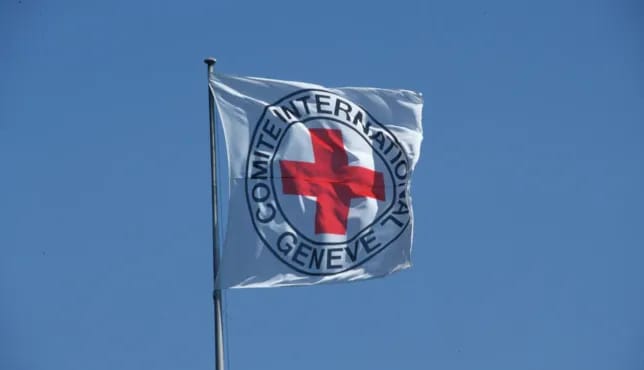
Governments in several regions are reviewing aspects of the operational approach of the International Committee of the Red Cross (ICRC), particularly its long-standing practice of engaging both state and non-state actors in conflict-affected areas as part of its humanitarian work.
The ICRC’s model is based on principles of neutrality, impartiality, and access, which enable it to reach civilians, detainees, and the wounded in areas where humanitarian needs are most acute. As the nature of conflicts evolves, some governments have expressed interest in continued dialogue on how such engagements are carried out.
According to the organisation’s 2025 operational assessment, the ICRC maintains contact with a wide range of actors across multiple countries in line with its humanitarian mandate, providing assistance to millions of people affected by conflict. The organisation has consistently stated that such contact is solely for humanitarian purposes and does not imply political recognition.
Developments in different regions have illustrated the importance of coordination between humanitarian organisations and national authorities. In Ethiopia’s Ogaden region, the ICRC’s operations ceased in 2007 following differences between the organisation and the government. Efforts to re-establish broader access have continued over time, reflecting the complexities of operating in conflict settings.
In the South Caucasus, the ICRC maintained a presence for many years in the Nagorno-Karabakh region, working with relevant parties to support humanitarian activities. Following developments after the 2020 conflict, its operations in Azerbaijan concluded in 2025 after the government decided to close its delegation.
Observers note that the ICRC, while international in scope, is institutionally linked to Switzerland, with governance arrangements designed to support neutrality and discretion in sensitive environments. This structure has historically facilitated humanitarian engagement in complex contexts.
Experts say that as conflicts become more complex, sustained communication and cooperation between humanitarian organisations and governments remain important to ensure effective delivery of assistance.
The ICRC has reiterated its commitment to impartiality and respect for national laws, while continuing to support vulnerable populations in line with international humanitarian principles.
Analysts emphasise that maintaining constructive engagement between states and humanitarian actors will be essential to addressing evolving global challenges and ensuring that assistance reaches those in need.
Disclaimer
Comments expressed here do not reflect the opinions of Vanguard newspapers or any employee thereof.