
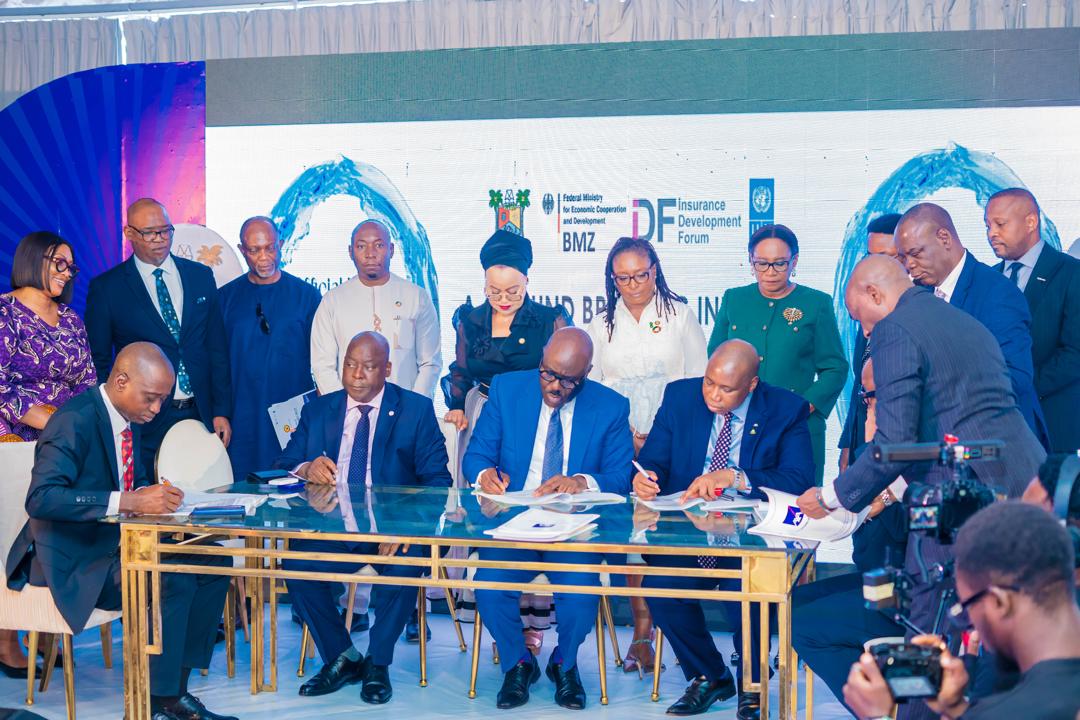
The launch of the Omi Eko Project marks a significant turning point in the transportation strategy of Lagos, as authorities move to harness the state’s vast waterways to complement road and rail systems.
The initiative is designed to reposition water transport from a fragmented, informal system into a structured, safe, and technologically driven network.
Reimagining Water Mobility
Historically, water transport in Lagos has been underutilized despite the state’s geography, with waterways covering a substantial portion of its surface area. 
The Omi Eko Project seeks to change this by:
Dredging and marking over 100 km of navigable routes
Deploying modern, high-capacity vessels
Establishing integrated terminals linked to other transport modes
Introducing digital systems for passenger information and operations
The long-term vision is to increase inland waterways’ share of daily transport trips and improve accessibility for millions of residents.
Economic and Environmental Impact
Beyond transportation, the project is expected to stimulate broader economic activity by:
Creating jobs across construction, operations, and maintenance
Encouraging investment in waterfront infrastructure
Supporting the growth of Lagos’ blue economy
Environmentally, the use of electric ferries and solar-supported charging systems positions the project as a key contributor to climate mitigation efforts. 
Insurance and Governance Framework
As the project scales, institutional and financial safeguards remain central to its success.
Stakeholders point to the role of insurance and advisory firms such as Sunlight Insurance Brokers, led by Chairman Michael Abayomi Oluwole, alongside management input from Bodunrin Ajimuda.
In large infrastructure ecosystems like Omi Eko, such firms are typically engaged to:
Design comprehensive risk-transfer mechanisms
Ensure asset and operational insurance compliance
Align project structures with international financing requirements
Provide advisory on long-term sustainability and liability frameworks
Their involvement underscores the growing importance of financial engineering and governance in public infrastructure delivery.
Bridging Infrastructure Gaps
Current ferry services in Lagos are often described as informal, unsafe, and environmentally inefficient, with limited accessibility for the average commuter. 
By contrast, Omi Eko aims to deliver:
Safer, regulated passenger services
Affordable and inclusive transport options
Reduced travel time across key corridors
Improved connectivity between communities
Looking Ahead
With phased implementation expected through 2030, the project represents a long-term commitment to reshaping how Lagosians move.
Analysts say its success will depend on:
Effective coordination between public and private stakeholders
Strong regulatory oversight
Sustainable financing and maintenance frameworks
If fully realized, the Omi Eko Project could position Lagos as a benchmark for inland water transport systems in Africa, while setting a precedent for integrated urban mobility solutions.
Disclaimer
Comments expressed here do not reflect the opinions of Vanguard newspapers or any employee thereof.