
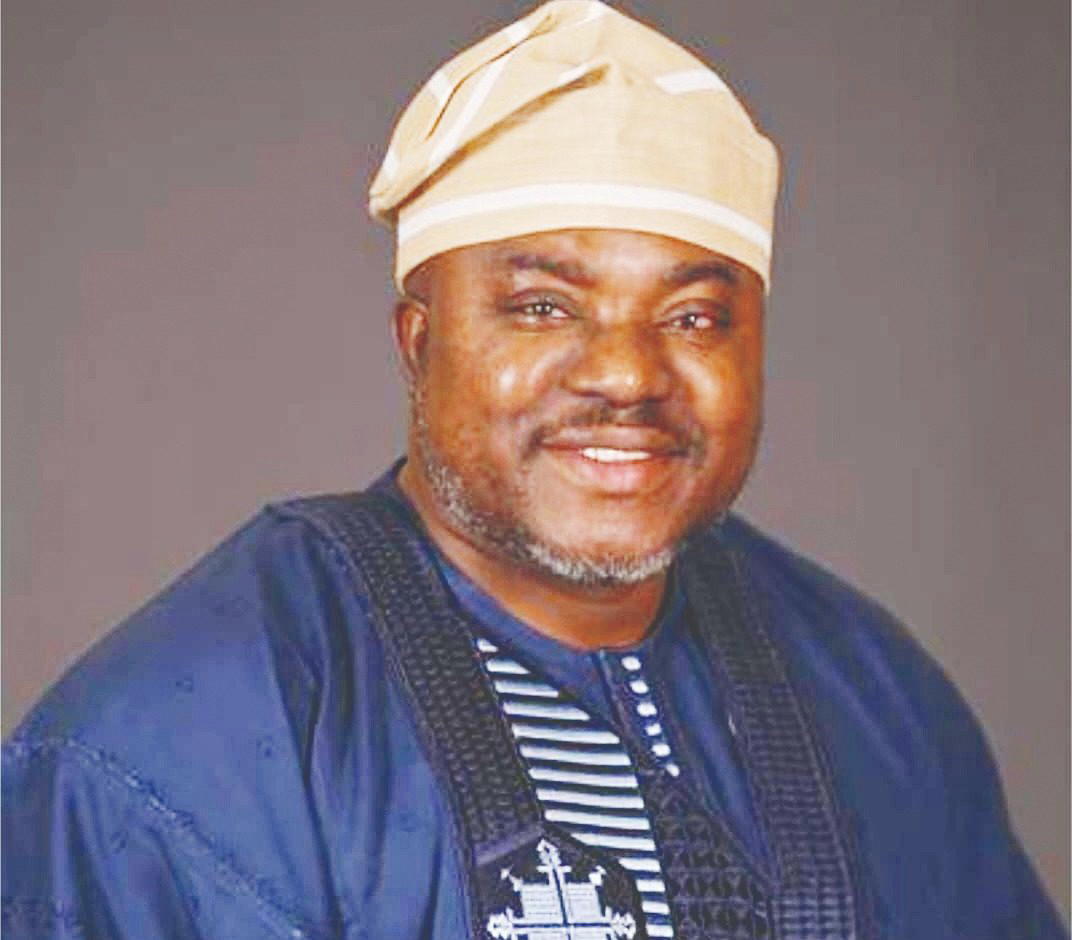
By Monday Alade
Nigeria stands today at one of the most critical security crossroads in its modern political and social history.
Across the country from rural farming communities to major urban centers millions of Nigerians now live under the persistent shadow of insecurity. Kidnappings, armed banditry, terrorism-related violence, violent robberies, organized criminal networks, communal attacks, ritual/cult-related killings, and attacks on security personnel (military bases and police stations), have combined to create a national atmosphere of fear, uncertainty, and psychological exhaustion.
Entire communities have been displaced. Businesses have collapsed. Farmers are abandoning their lands. Investors are becoming increasingly cautious. Families now calculate travel plans based on fear rather than convenience. In many parts of the country, citizens no longer ask whether insecurity exists, they ask whether government institutions still possess the capacity to fully contain it. And from all indications especially considering the audacity, coordination, and growing confidence displayed by violent criminal groups in recent times many Nigerians increasingly perceive both the police and the military as overstretched, reactive, and struggling to respond effectively to evolving security threats.
Yet amid these difficult realities, Nigeria also stands before a historic opportunity. The administration of President Bola Ahmed Tinubu has repeatedly demonstrated willingness to confront difficult economic and governance challenges through bold and sometimes painful reforms. However, no economic reform, infrastructure agenda, or national development strategy can fully succeed without internal security stability. Security remains the foundation upon which every successful nation is built.
This is precisely why the time has come for Nigeria to fundamentally rethink the structure, philosophy, and future of its internal security framework.
As a police officer serving in Baltimore City, Maryland, in the United States, and as someone academically trained in Global Affairs and Human Security, I have had the opportunity to study and observe modern policing systems, intelligence-led security frameworks, emergency response coordination, violent crime suppression strategies, tactical patrol operations/strategies, active shooter mitigation and response models, institutional reforms, and community-based policing structures used across advanced security environments globally.
One truth remains consistent across successful nations: sustainable internal security is driven primarily by strong, modern, professional, intelligence-led police institutions and not prolonged military deployments.
The military plays a vital and indispensable role in defending national sovereignty and responding to extraordinary threats. However, long-term community stabilization, law enforcement visibility, strategic police patrols, crime prevention, intelligence gathering, criminal investigations, public trust-building, and everyday security management are responsibilities best handled by a highly trained and properly equipped police institution.
This is where the Nigerian Police Force must now evolve. Under the leadership of Inspector-General of Police Olatunji Ridwan Disu, some commendable administrative improvements have emerged, particularly regarding the promotion of officers due for advancement. Morale matters greatly within every security institution. Officers who feel respected, recognized, and fairly treated are more likely to demonstrate professionalism, discipline, commitment, and operational effectiveness.
But morale alone cannot solve a national security crisis of this magnitude. Therefore, Nigeria now requires a comprehensive transformation of policing itself.
The Nigerian Police Force must transition from an outdated, largely reactive institution into a modern, strategic patrolling, mental, physical, and emotional stable, intelligence-driven, technologically capable, strategically deployed, highly mobile, and professionally respected national security institution capable of confronting 21st-century threats with confidence, efficiency and precision.
This transformation must begin with training. Modern policing globally has evolved far beyond traditional patrol methods and static enforcement models. Today’s most effective police agencies invest heavily in continuous education, tactical preparedness, predictive crime analysis, intelligence operations, hostage response, anti-terror coordination, cybercrime investigations, rapid deployment systems, crisis negotiation, inter-agency collaboration, digital surveillance technologies, and realistic scenario-based simulations.
Police officers are repeatedly trained under stressful and realistic operational conditions designed to reduce both civilian and officer casualties during violent encounters and emergencies. Nigerian police force must urgently move in this direction to save Nigeria from implosion.
Police training colleges across the country should be comprehensively rebuilt, modernized, and properly funded. No nation can expect world-class policing outcomes from neglected institutions operating within degrading physical conditions. Training environments shape institutional culture. Facilities must reflect discipline, professionalism, structure, order, dignity, and modern educational standards.
Beyond infrastructure, there must also be deliberate investment in leadership development, officer welfare, emotional resilience, mental health support, investigative capacity, forensic science, communication systems, and modern operational logistics.
The Nigerian police officer of the future must become more than an armed uniformed presence. He or she must become an intelligent problem solver, vast in Nigerian constitution, a disciplined public servant, a skilled investigator, a tactically competent responder, and a trusted protector of constitutional order.
Importantly, the Inspector-General of Police should not hesitate to present ambitious reform proposals directly to the Federal Government. Great institutional reforms require political support, financial investment, strategic planning, measurable goals, and courageous leadership willing to confront uncomfortable realities honestly.
From public observations so far, President Tinubu appears willing to support transformational ideas capable of strengthening national institutions and stabilizing the country. This moment therefore presents a rare opportunity for bold security-sector reforms that could reshape Nigeria’s future for generations.
The National Security Adviser, Mallam Nuhu Ribadu, also understands from both intelligence and operational experience that no nation can sustainably achieve internal stability without an effective police institution capable of maintaining law, order, intelligence coordination, and public confidence at the community level.
The task before Nigeria’s security leadership is therefore not merely operational, it is historic.
This is also the time for Nigeria to deepen international policing partnerships. Nigerian police leaders should actively study successful policing systems across the world. Exchange programs, foreign tactical training partnerships, intelligence-sharing agreements, leadership development initiatives, and continuous professional education must become institutional priorities rather than occasional activities.
The world is changing rapidly. Criminal networks are becoming more sophisticated, technologically adaptive, decentralized, and internationally connected. Nigeria’s policing strategies must evolve accordingly.
Equally important is the need for institutional openness to younger voices within the Force. Some of the most innovative operational ideas often emerge from younger officers, recruits, analysts, and field personnel who experience the realities of modern crime patterns directly. Progressive institutions thrive when leadership remains willing to listen, adapt, and innovate continuously.
Ultimately, the Nigerian people do not seek miracles from their security institutions. What citizens desire is competence, preparedness, professionalism, accountability, fairness, visibility, and the confidence that the state remains fully capable of protecting lives and enforcing the rule of law.
Nigeria deserves a police institution respected not merely through fear, but through excellence. A police force respected because it is disciplined. Respected because it is prepared.
Respected because it is intelligent. Respected because it is professional and respected because it protects the people without compromise.
History often remembers leaders who rise during periods of national difficulty and choose transformation over excuses.
Nigeria’s security crisis has created such a moment. Therefore, the question now is whether the country’s security leadership i.e IG Disu will seize it boldly enough to build the modern police institution Nigeria urgently needs and fully deserves.
Alade, is an American Police Officer in the State of Maryland, United States of America
Disclaimer
Comments expressed here do not reflect the opinions of Vanguard newspapers or any employee thereof.