
By Favour Ulebor, Abuja
The Korean Cultural Centre Nigeria has intensified efforts to promote Korean traditional arts and strengthen cultural exchange between Korea and Nigeria through the Abuja edition of the K-Heritage Festival.
Organisers said the festival was aimed at deepening cultural understanding and expanding appreciation of Korean heritage among Nigerians through exhibitions, performances and other cultural activities.
Speaking during the event, Event Manager at the centre, Yoonjin Lee, said the initiative was designed to introduce Nigerians to Korea’s traditional cultural performances beyond the globally popular K-Pop phenomenon.
Lee explained that while K-Pop continues to attract young audiences worldwide, the K-Heritage Festival was created to showcase the richness of Korean traditional music and dance.
According to her, the festival debuted in Lagos in 2025 before being brought to Abuja this year as part of efforts to expand cultural exchange between both countries.
“K-Pop is more like the modern type, more attracted by young people. But the K-Heritage Festival is trying to also bring Korean traditional performances to Nigeria,” she said.
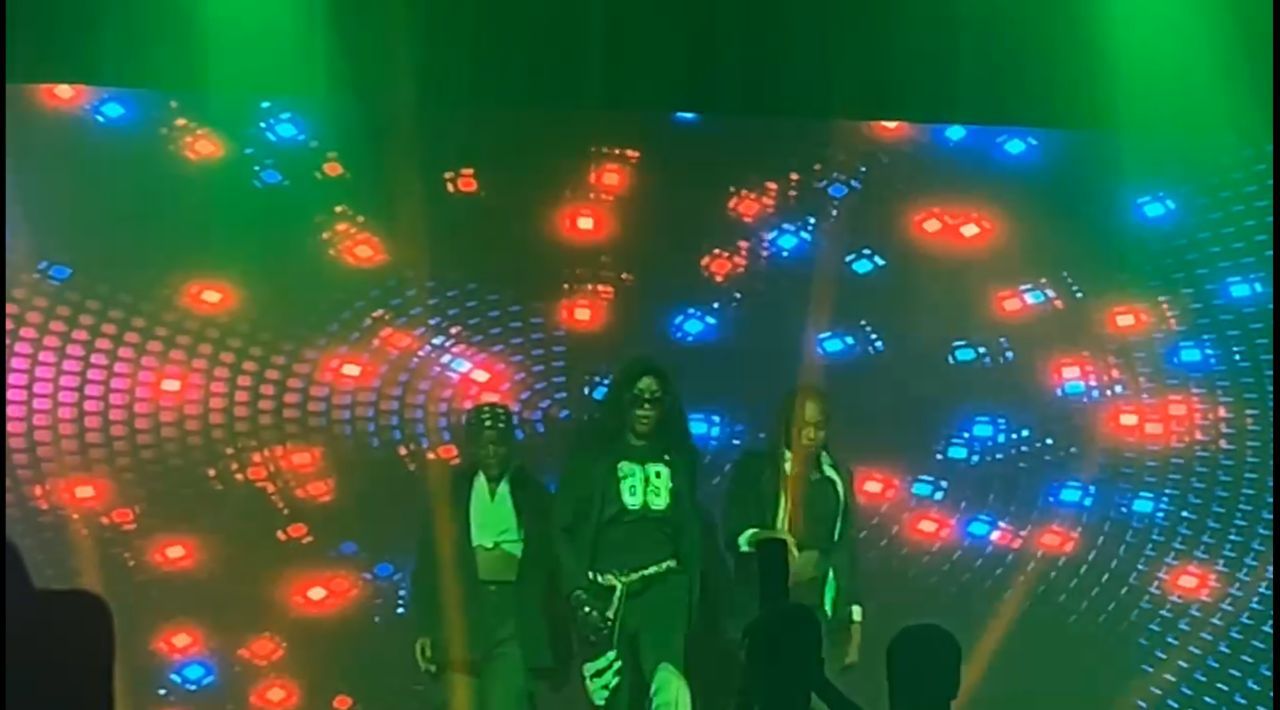
She noted that this year’s edition featured a Korean performance duo known as Sorichum, made up of Melissa Minseong Seo and Hyunjung Park, who delivered performances centred on Korean traditional dance and music.
Beyond stage performances, Lee disclosed that the artistes also organised two-day workshops ahead of the festival, teaching participants Korean fan dance and the use of the traditional Korean drum known as Janggu.
According to her, the workshops culminated in live performances by students during the festival, alongside performances by KCC dance students and winners from previous K-Pop festivals.
“The students only learned for two days, but they performed perfectly. People are really enjoying it,” Lee said, expressing surprise at the level of enthusiasm shown by Nigerian participants.
She said the strong audience response demonstrated growing Nigerian interest in Korean traditional culture and not just contemporary Korean entertainment.
The event manager clarified that the introduction of K-Heritage was not merely a result of K-Pop’s popularity, but part of the centre’s broader cultural mission.
“We really want to show different stages of Korean culture. K-Pop is very big, but as a Korean Cultural Centre, we also want to bring traditions and opportunities for people to experience them,” she said.
Lee explained that the festival currently focuses primarily on performance arts, including traditional Korean music and fan dance, although Korean heritage extends into crafts and other cultural expressions.
She added that organisers were considering expanding traditional Korean cultural activities in Nigeria through additional workshops and festivals, particularly in Lagos.
According to her, the centre plans to organise another Janggu drum festival in Lagos while continuing to strengthen traditional cultural classes before eventually introducing K-Heritage competitions.
However, she stated that for now, competitive events remain largely focused on K-Pop activities.
Lee also announced plans for another K-Pop Festival later this year in Lagos, noting that organisers were rotating major events between Lagos and Abuja to ensure broader participation across Nigeria.
The K-Heritage Festival forms part of ongoing cultural diplomacy initiatives aimed at strengthening people-to-people ties between Nigeria and South Korea through arts, music and cultural education.
Disclaimer
Comments expressed here do not reflect the opinions of Vanguard newspapers or any employee thereof.