
By Ayo Onikoyi
As Nigeria prepares to mark Democracy Day on June 12, a new political thriller, Kalakiri – The Price of Freedom, is reigniting conversations around democracy, state oppression, prison abuse and freedom of expression, with its cast and creators urging citizens not to remain silent in the face of injustice.
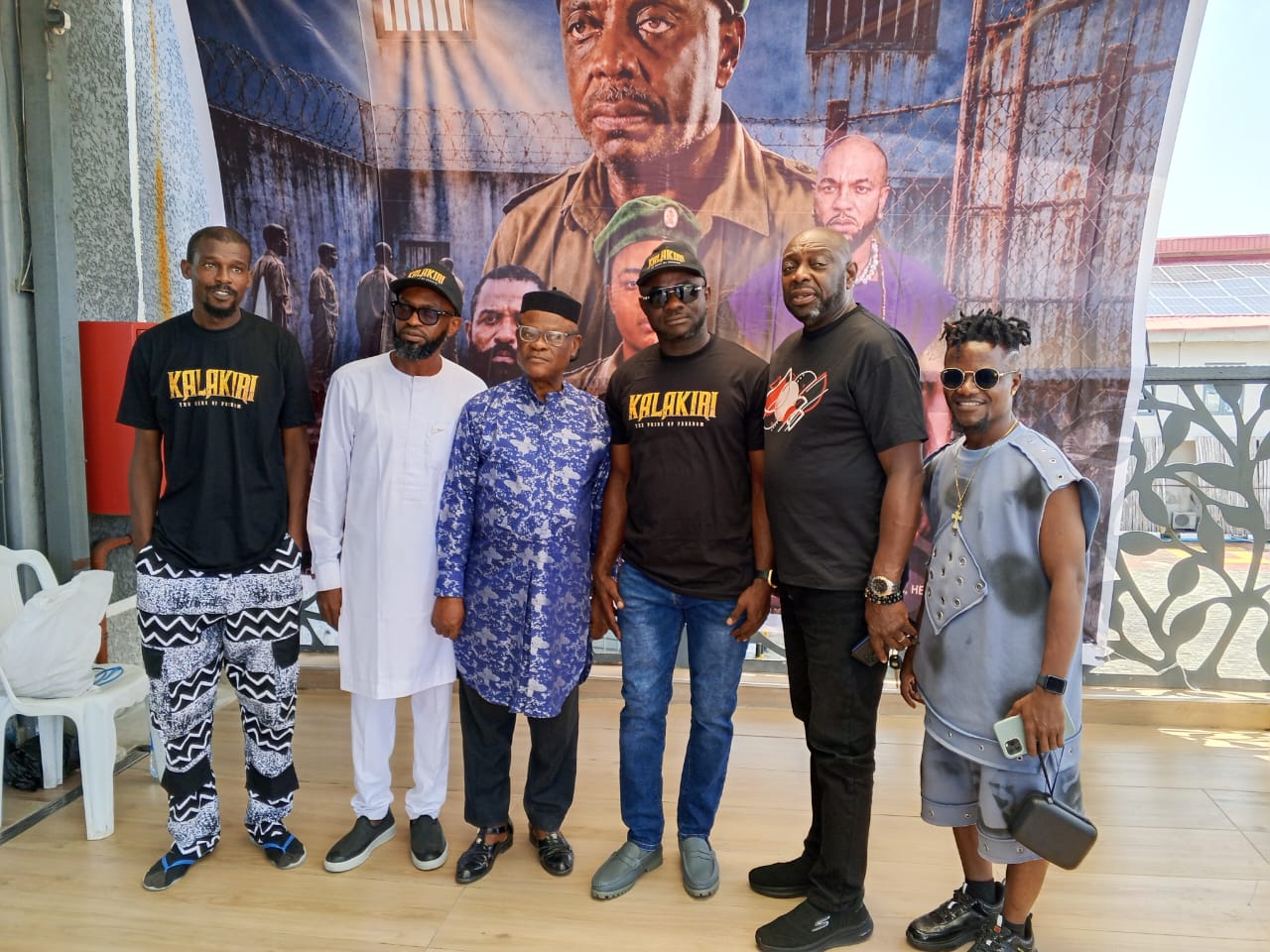
The call was made during a private media screening of the film in Lagos on Friday ahead of its nationwide cinema release on June 12.
Adapted from Prof. Chudi Uwazurike’s novel Prisoner of the Kalakiri, the film revisits Nigeria’s dark years under military rule, exploring themes of political betrayal, resistance and abuse of power while drawing striking parallels with contemporary governance challenges.
Set in the 1990s, Kalakiri follows the lives of inmates, journalists, activists and ordinary citizens caught in a system sustained by fear, repression and silence. Through its gripping narrative, the film sheds light on the human cost of authoritarian rule and the sacrifices made in the struggle for democracy.
One of the most emotional moments in the film centres on Akin, a young medical student who dies from gunshot wounds after healthcare workers refuse to treat him without a police report. The storyline underscores the tragic consequences of institutional failures and bureaucratic indifference.
The film also paints a stark picture of prison life, depicting starvation, intimidation, overcrowding and attempts by prison authorities to break the spirit of inmates. At the heart of the story is Manga Goc, a detained journalist known as “Mr Resistance,” whose imprisonment for allegedly spreading anti-government propaganda transforms him into a symbol of defiance against tyranny.
Speaking at the screening, Executive Producer and screenwriter Henry Chinweuba said the project was conceived as a tribute to those who paid the ultimate price for Nigeria’s democracy.
“It talks about the struggle for democracy and narrates the experiences of our pro-democratic journey as Nigerians. So many people paid the ultimate sacrifice for the democracy we are enjoying today,” he said.
Chinweuba, who also serves as Managing Director of Triatlantic Films International Ltd., noted that the film intentionally reflects recurring issues in Nigeria’s political landscape, including oppression, betrayal and the suppression of dissenting voices.
“One of the similar things that you can find is betrayal in politics, oppression by people in power, and activism as is common within our democratic space today. It’s unfortunate that even with democratic governance in place, we still have these experiences,” he added.
Veteran filmmaker and director of the movie, Dr. Chika Onu, described Kalakiri as a thought-provoking work aimed at awakening civic consciousness and encouraging reflection on the country’s direction.
“You are going to go out reformed. You are going to think: what is actually happening to this country?” he said.
According to Onu, the production team paid close attention to recreating the atmosphere of Nigeria’s post-independence and military eras through carefully selected locations, costumes and prison settings to preserve the historical authenticity of the story.
For veteran actor Segun Arinze, the film’s message extends beyond prison walls to a broader examination of citizenship, governance and freedom.
“Are we prisoners inside our country? Do we have the freedom to express ourselves? Are we in tandem with the leadership? Are we in tandem with governance?” he asked, posing questions he believes viewers must confront after watching the film.
Arinze also drew attention to the welfare of inmates in correctional facilities, stressing that they deserve humane treatment regardless of their circumstances.
“These guys are humans,” he said.
Actor Ayodeji Akinwale, who plays Alonzi, a drummer within the correctional facility, said the film highlights poverty, political manipulation and the importance of civic participation among young Nigerians.
“The people that are trying to enslave the masses have a strategy of trying to make you hungry. My message to the youth is: don’t just make noise on social media. Get your PVC and make sure you exercise your right,” he said.
Beyond its historical narrative, the screening reinforced Nollywood’s growing role as a platform for civic engagement and social commentary. Stakeholders described the industry as a mirror of society and an avenue for difficult but necessary conversations about governance, justice and accountability.
Corporate partner United Nigeria Airlines also endorsed the film’s message, describing it as one that promotes national unity and collective responsibility.
The airline’s Marketing Manager, Ebele Nebolisa-Mokaogwu, said the themes of democracy and unity reflected the company’s mission.
“We also fly to unite cultures and unite people, and we see that this aligns with us, where the film is trying to unite Nigerians through democracy,” she said.
As Nigeria celebrates another Democracy Day, Kalakiri – The Price of Freedom arrives not merely as entertainment but as a powerful reminder of the nation’s democratic struggles and an invitation for citizens to reflect on the freedoms they enjoy—and those they may still be fighting to secure.
Disclaimer
Comments expressed here do not reflect the opinions of Vanguard newspapers or any employee thereof.