
By Chioma Obinna
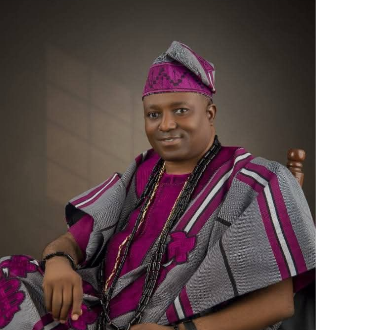
Concerns over sustainability of reforms in public healthcare came to the fore Monday as the Medical Director/Chief Executive Officer of General Hospital Gbagada, Dr. Joseph Olusegun Babafemi, bowed out of service at 60, urging stakeholders to consolidate gains and address persistent system challenges.
The event, held at ShepherdHill Baptist Church, drew top government officials, health professionals and well-wishers who celebrated what many described as a transformative era in one of Lagos’ busiest public hospitals.
Reflecting on over three decades in service, Babafemi said improving Nigeria’s health sector requires sustained collaboration and investment, warning that progress could stall without continuity.
“When health is lost, all is lost. We must continue to build systems that work for the people and inspire confidence,” he said.
Babafemi, who joined the Lagos State health service in 1992, described his career trajectory as a product of institutional support and personal commitment, noting that every appointment he received was “a vote of confidence” he worked hard to justify.
He rose through the ranks to become a nephrologist and later Medical Director, overseeing major reforms at the hospital.
Reforms amid systemic challenges
Speaking on his stewardship, Babafemi acknowledged that managing a large public hospital comes with significant pressures.
“The bigger the head, the bigger the headache,” he said, pointing to the complexities of overseeing a facility with nearly 1,000 staff.
Despite these challenges, he said the hospital recorded notable improvements, including its transition into a training hub for house officers, nurses, medical scientists and physiotherapists, as well as the introduction of residency programmes in key specialties.
He also highlighted the establishment of critical care units such as a modern Intensive Care Unit, a stroke unit and a fast-track system aimed at improving patient experience and outcomes.
According to him, “these interventions have improved survival rates and raised the standard of care.”
Power crisis, staffing issues test leadership
Babafemi identified infrastructure deficits, particularly power supply, as one of the biggest threats to healthcare delivery.
He recalled a major electricity crisis that endangered patients in critical units, forcing the hospital to seek emergency solutions.
“We had to engage stakeholders and think outside the box. That challenge eventually led to the installation of solar power systems in key departments,” he said.
He also spoke of a staffing-related crisis that drew public attention, noting that it prompted internal reforms and improved communication systems.
“Those difficult moments became stepping stones that strengthened the institution,” he added.
Push for medical tourism
Looking ahead, Babafemi called for strategic investment to position Lagos as a hub for medical tourism.
“There is nothing we cannot do here if we put the right systems in place,” he said, expressing confidence that Nigerian hospitals can compete globally with the right support.
Tributes, recognition
In her remarks, the Permanent Secretary, Lagos State Health Service Commission, Mrs. Cecilia Abimbola Mabogunje, described Babafemi as an outstanding administrator whose tenure brought “remarkable developments” to the hospital.
She particularly cited improvements in critical care services, noting that one of the most functional ICUs in the state’s public health system emerged under his leadership.
Also speaking, the Lagos State First Lady, Claudiana Ibijoke Sanwo-Olu, congratulated Babafemi on his retirement, describing him as a dedicated professional.
“This is not the end but the beginning of greater works,” she said, expressing confidence in his continued contributions to healthcare.
She also presented awards to outstanding staff of the hospital in recognition of excellence and commitment to service.
Colleagues and associates praised Babafemi’s leadership style, describing it as inclusive and result-driven, and credited him with fostering innovation and teamwork.
Beyond retirement
Though stepping down from public service, Babafemi said he would remain active in healthcare delivery and mentorship, stressing the need for collective responsibility in fixing Nigeria’s health system.
“We must focus on solutions, not just criticism. Everyone has a role to play – government, health workers, the media and the public,” he said.
Disclaimer
Comments expressed here do not reflect the opinions of Vanguard newspapers or any employee thereof.